
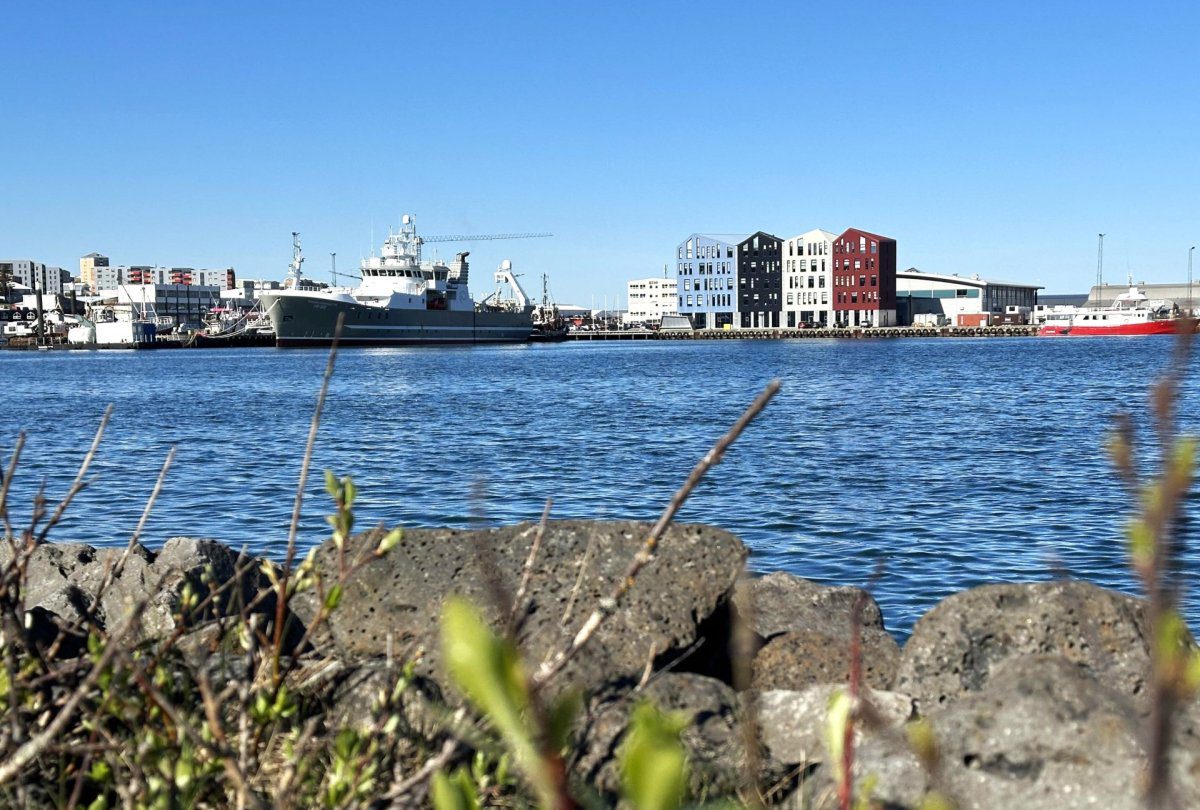
A visit aboard the Thorunn Thordardottir
13:00 – 15:00: Last year, the Marine Research Institute, and by extension all Icelanders, put a new research vessel into service, and now the institute plans to offer the public a tour of the ship. The Thorunn Thordardottir HF 300 is a multi-purpose research vessel, designed for marine and fisheries research in temperate and Arctic waters. The crew and support staff give a warm welcome to visitors.
Fish show
13:00 – 16:00: The ever-popular Hafrannsóknastofnunar fish exhibition will be in place outside Fornubúðir 5. The staff of the Institute of Marine Research collect and preserve edible fish, as well as all kinds of unusual fish and other marine creatures such as starfish and more, during their expeditions, and display them on Fishermen's Day. You will be able to see and touch fish that are rarely on public display.
Beach Creature Workshop
13:00 – 15:00: Inside the house, you will be able to create and learn about the marine and coastal life. The National Museum of Natural History of Iceland and the Marine Research Institute are offering three creative coastal animal workshops in the lecture hall on the ground floor.
You will be able to learn about the intertidal life and make origami starfish, woolly sea urchins, and glittery shells and snails.
The event is part of the programme of events. Life Icewater, which is a collaborative project involving scientists, local authorities, businesses and the government. The project is co-funded by the European Union. The aim is to improve water quality in rivers, lakes, the sea and groundwater across the country. The project's aim is to help us take better care of the important resource that our water is.
Education about ocean research
13:00 – 15:00: Interested visitors to the Institute of Marine Research can learn about the role of marine research and deepen their understanding of the protection of the ocean's ecosystems. The education is provided by Marine Sabres the project which focuses on researching how human activities and environmental changes affect marine biodiversity, and how science can support the more sustainable use of the ocean.
Through interactive participation, visitors gain an insight into the work of marine biologists: how data is collected, how species and ecosystems are studied, and how different pieces of information are brought together to form a comprehensive picture of the ocean.