
Hafnarfjörður Municipality and HS Orka agree on Krýsuvík
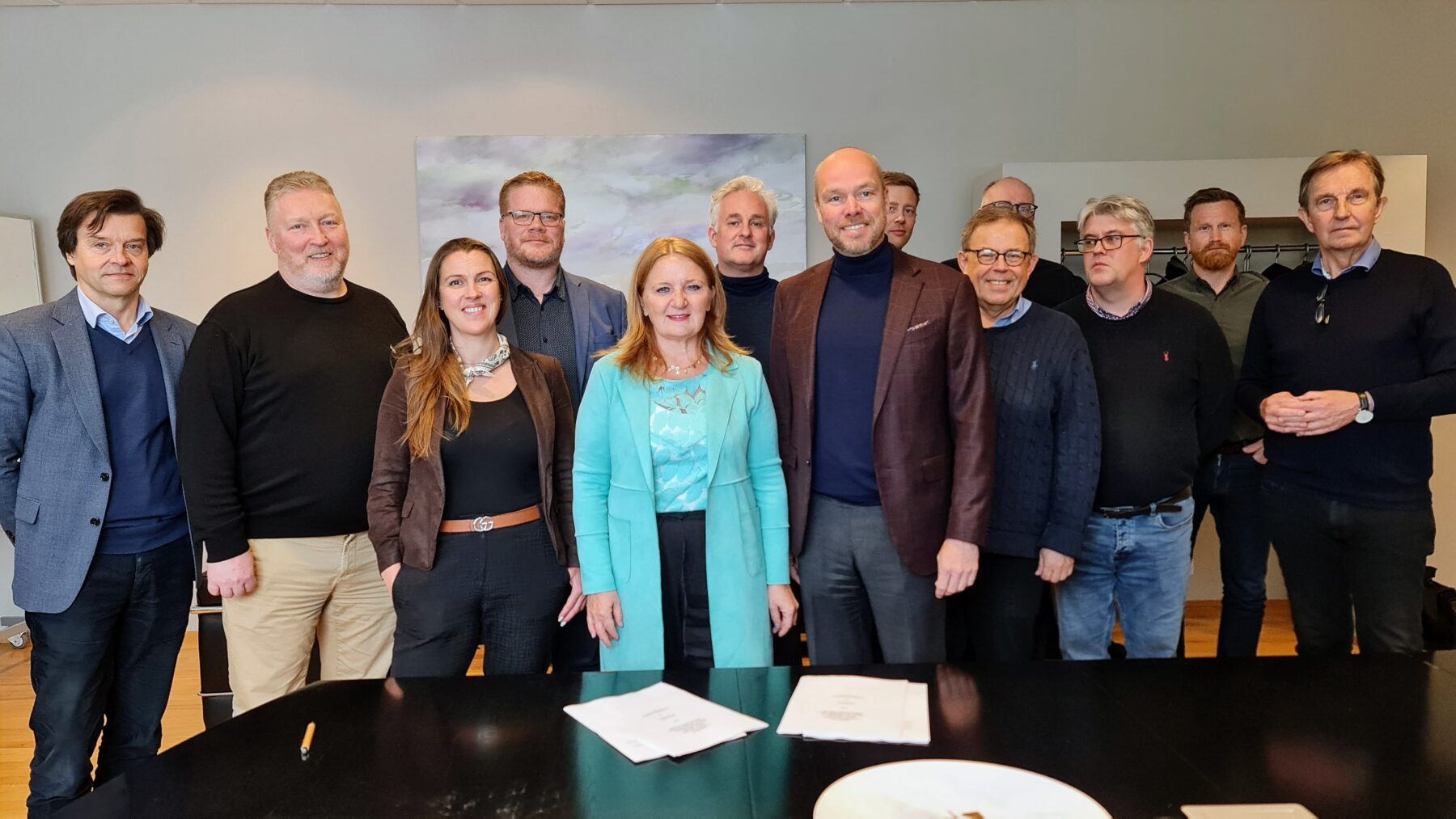
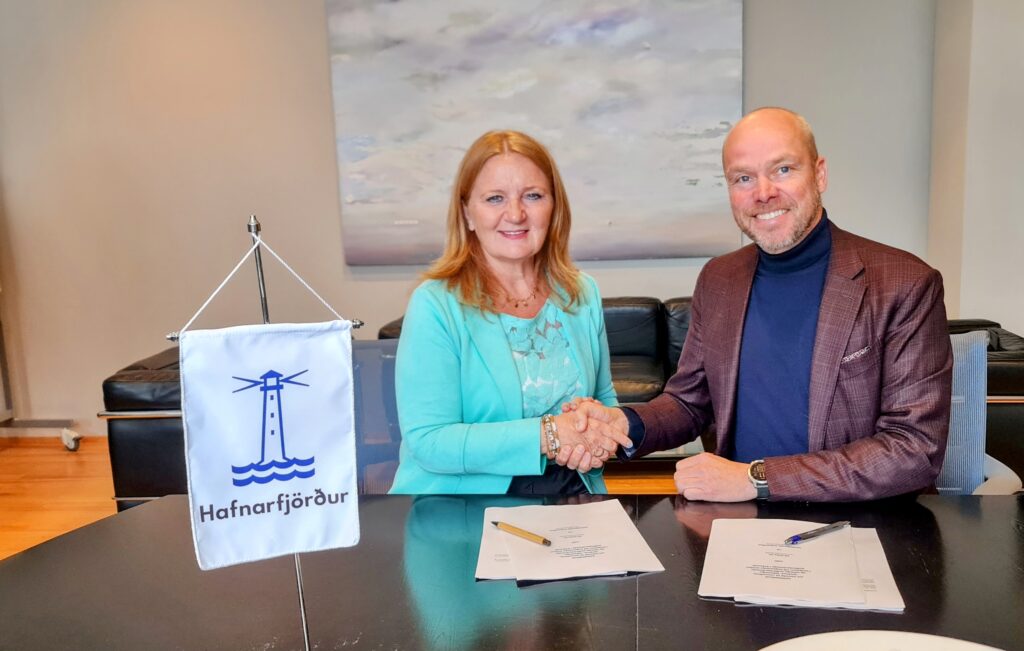
The Municipality of Hafnarfjörður and HS Orka have signed an agreement on the exploration and utilisation of resource rights in Krýsuvík for the production of hot water, fresh water, and electricity. The aim is to increase the reliability of hot water supply in Hafnarfjörður and elsewhere in the capital region, as well as to meet the country's growing demand for electricity. Concurrently, ideas will be developed for a resource park with a focus on outdoor recreation, sustainable tourism and green business activities.
Future development of the district heating system in the capital region
The Municipality of Hafnarfjörður and HS Orka have signed an agreement granting permission for exploration, land use, lease of land, and the exploitation of natural resource rights in connection with the potential use of resources in Krýsuvík. The aim of the agreement is to explore the potential for harnessing geothermal heat and extracting groundwater on the Krýsuvíkurland estate in a cost-effective and environmentally friendly manner, alongside the development of a resource park where further utilisation of production streams will take place. The aim is to establish a geothermal power station at Sveifluháls in the Krýsuvík area.
The agreement authorises, on the one hand, research into a groundwater resource, geothermal energy, and the feasibility of water and energy production on the land of Krýsuvík. However, the agreement also provides for the exploitation of resources as permitted by exploitation licences and feasibility studies. The agreement, which is based on a letter of intent from November 2022, was approved by the Hafnarfjörður Town Council yesterday, 5 June.
The Municipality of Hafnarfjörður owns Krýsuvík, a valuable recreational area and a popular destination for tourists. Krýsuvík also possesses one of the most promising options available for the future development of the capital region's geothermal heating system. By utilising the resources in Krýsuvík, the reliability of hot water supply to the capital region could be greatly improved, as the capital region currently receives all its hot water from areas located to the east of the region, namely from the Nesjavallavirkjun and Hellisheiðarvirkjun power stations.
A significant milestone for Hafnarfjörður
Rósa Guðbjartsdóttir, the mayor of Hafnarfjörður, says it is an important milestone for the town that an agreement has been reached on the future development of Krýsuvík. „The Reykjanes Peninsula is a unique gem owned by Hafnarfjörður, which presents a great and untapped opportunity for development and enjoyment. This research and utilisation agreement has a very long lead-up. The aim of this agreement is to secure access to hot water and energy for the people of Hafnarfjörður and others for the future. At the same time, the area will be made more accessible for outdoor recreation and nature viewing.“
Tómas Már Sigurðsson, CEO of HS Orka, says the agreement with the City of Hafnarfjörður is a great cause for celebration. „It lays the groundwork for continued geothermal research in the Krýsuvík area. We are hopeful that the research will lead to the geothermal energy being utilised for both the production of hot water for the people of Hafnarfjörður and its neighbours, as well as for electricity generation. Alongside any potential energy production, exciting opportunities will be created for the development of various green industries in Krýsuvík.“
A model for the interplay between energy production, tourism and nature
It is estimated that a new geothermal power plant in Krýsuvík could heat a settlement of up to 50,000 people, as well as have an electricity generation capacity of up to 100 MW. Furthermore, the plan is to pursue the concept of a resource park in Krýsuvík, focusing on the development of environmentally friendly tourism that is in harmony with the environment and nature, outdoor recreation facilities, and green industries, such as algal cultivation, natural chemical processing and greenhouse cultivation. Emphasis will be placed on ensuring that the materials used, the texture and colours of the structures in the area blend in well with the surroundings, and that the area's unique character is preserved and allowed to flourish. In total, the leasehold area is approximately 200,000 square metres, and the activity area of the geothermal field is about two square kilometres.
A four-part benefit
The benefits of the agreement are therefore fourfold: Increased energy and hot water security for the capital region, and particularly for Hafnarfjörður. The development of infrastructure that creates an attraction for service providers and visitors to the area. A diverse opportunity for the development of business activities in the spirit of the circular economy, which can become a model for the interaction between energy production, tourism and nature.
HS Orka hf. owns and operates two geothermal power stations in Reykjanes and has, for half a century, built up knowledge and experience in the field of multi-utilising resource streams from the power stations. At HS Orka's Resource Park, the streams are utilised for green energy solutions, cultivation, aquaculture and the food industry, as well as for tourism. HS Orka generates electricity for the national main grid, as well as supplying the community in the South-West with fresh and hot water.
A presentation on the plans will be held at 5 p.m. on Wednesday, 12th June at the Bæjarbíó.