
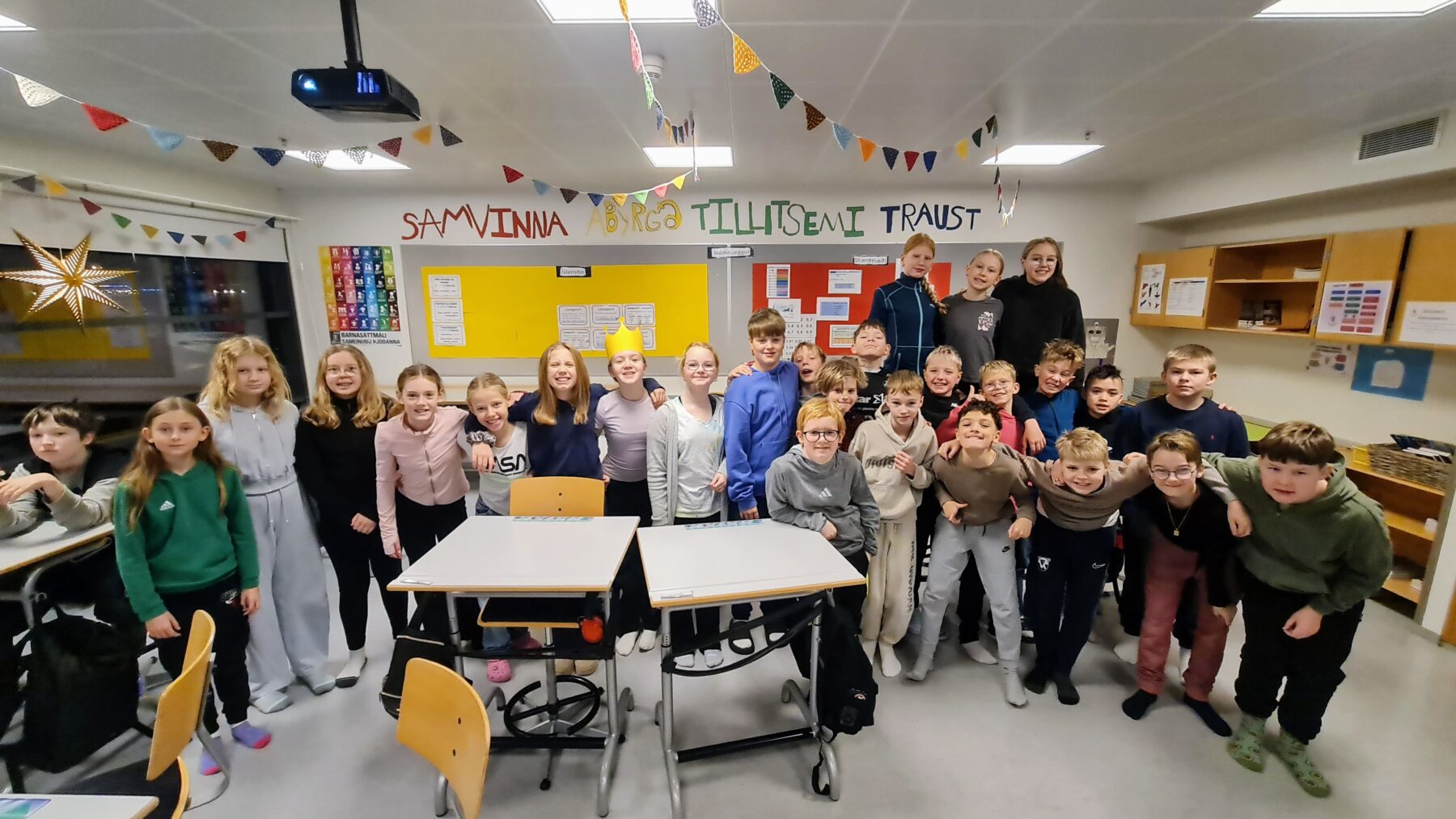
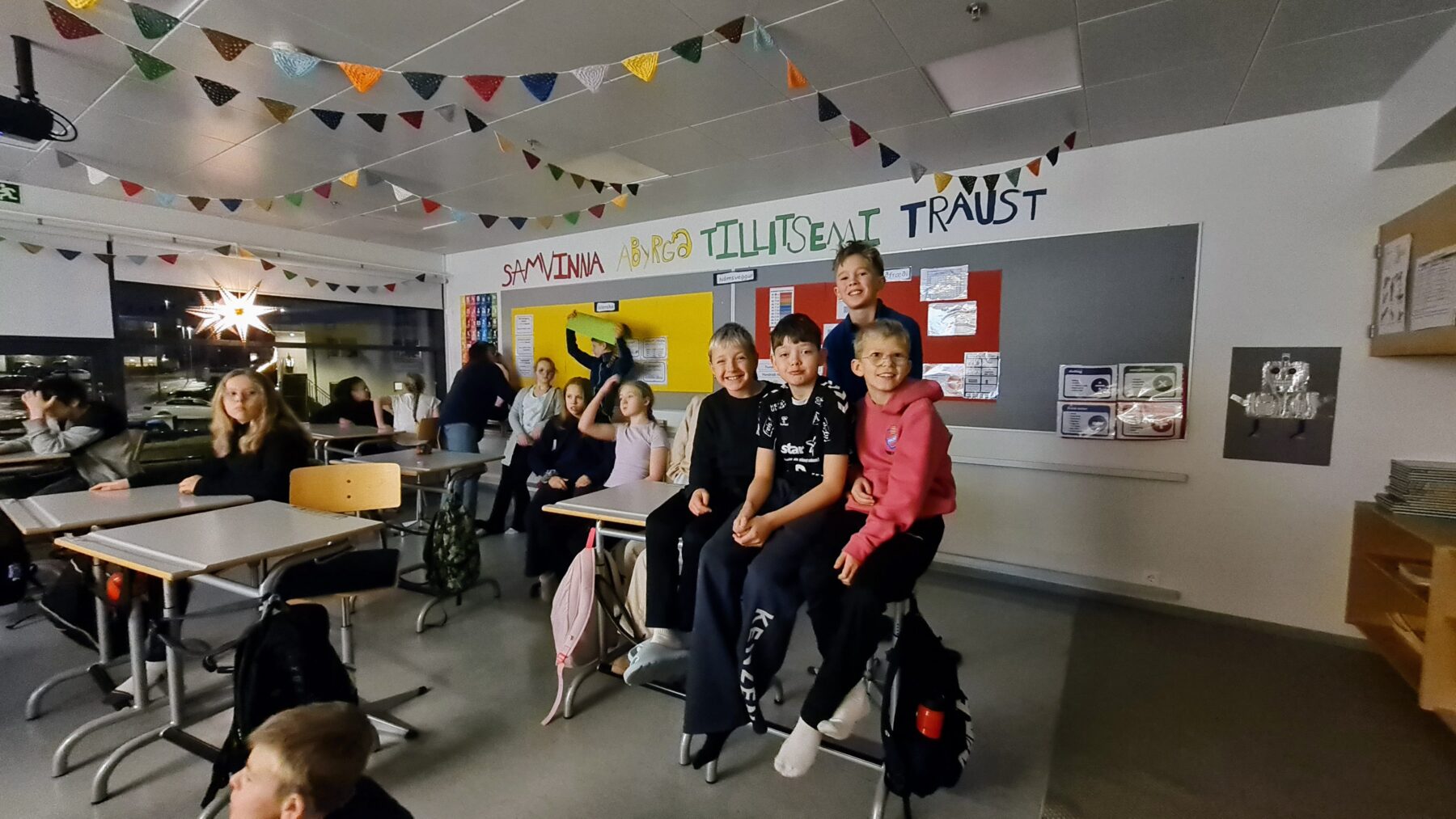
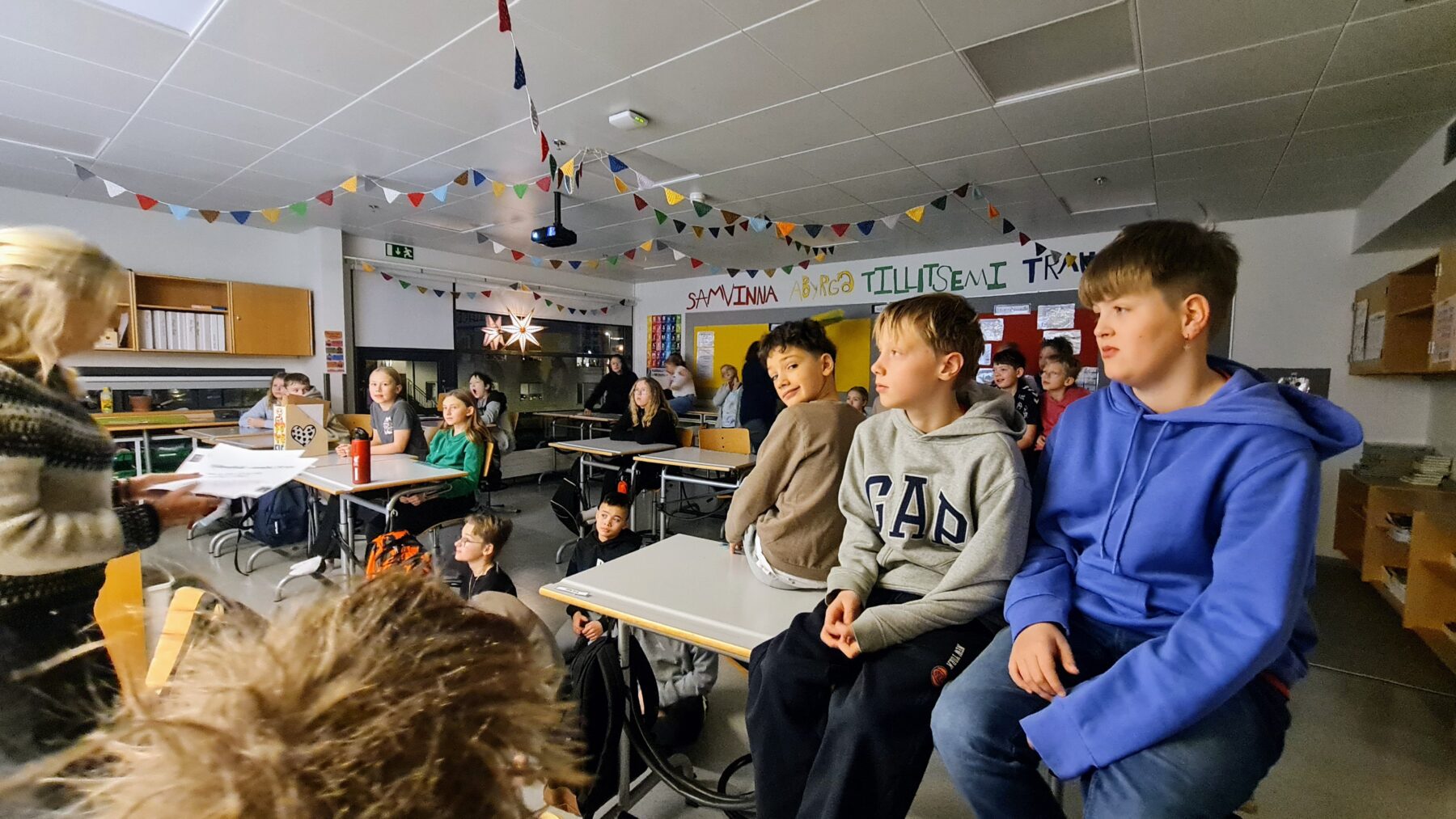
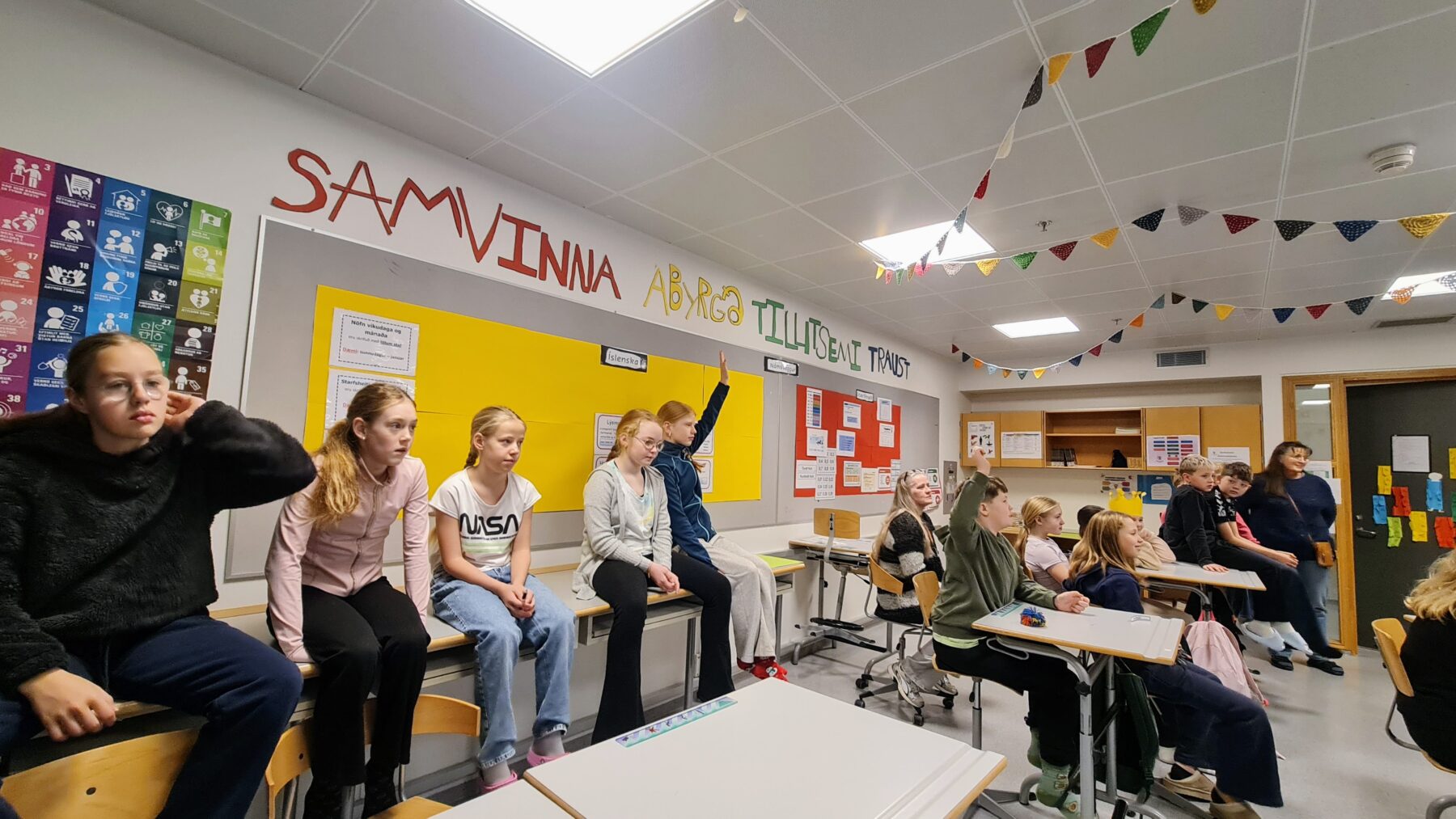
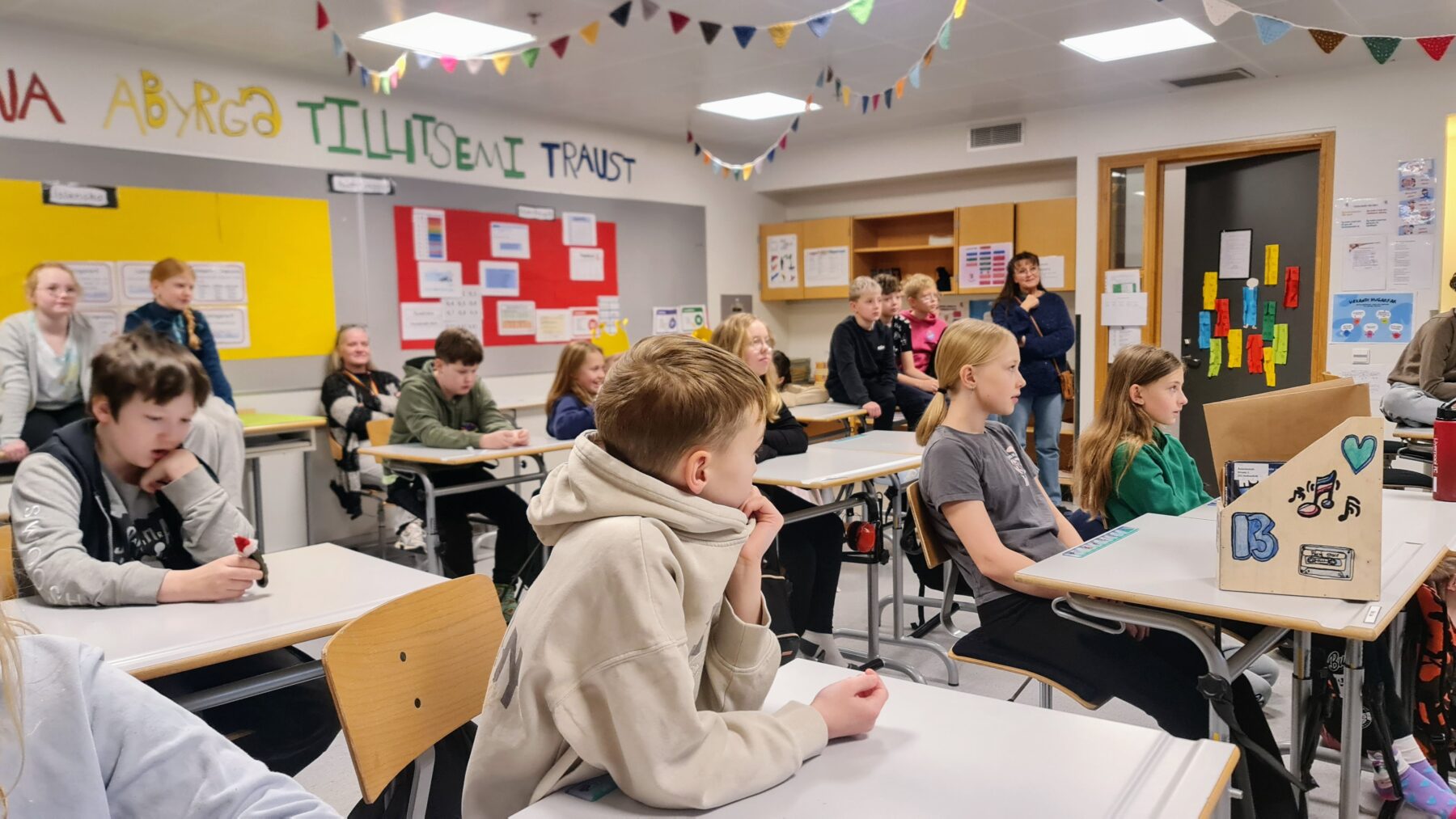
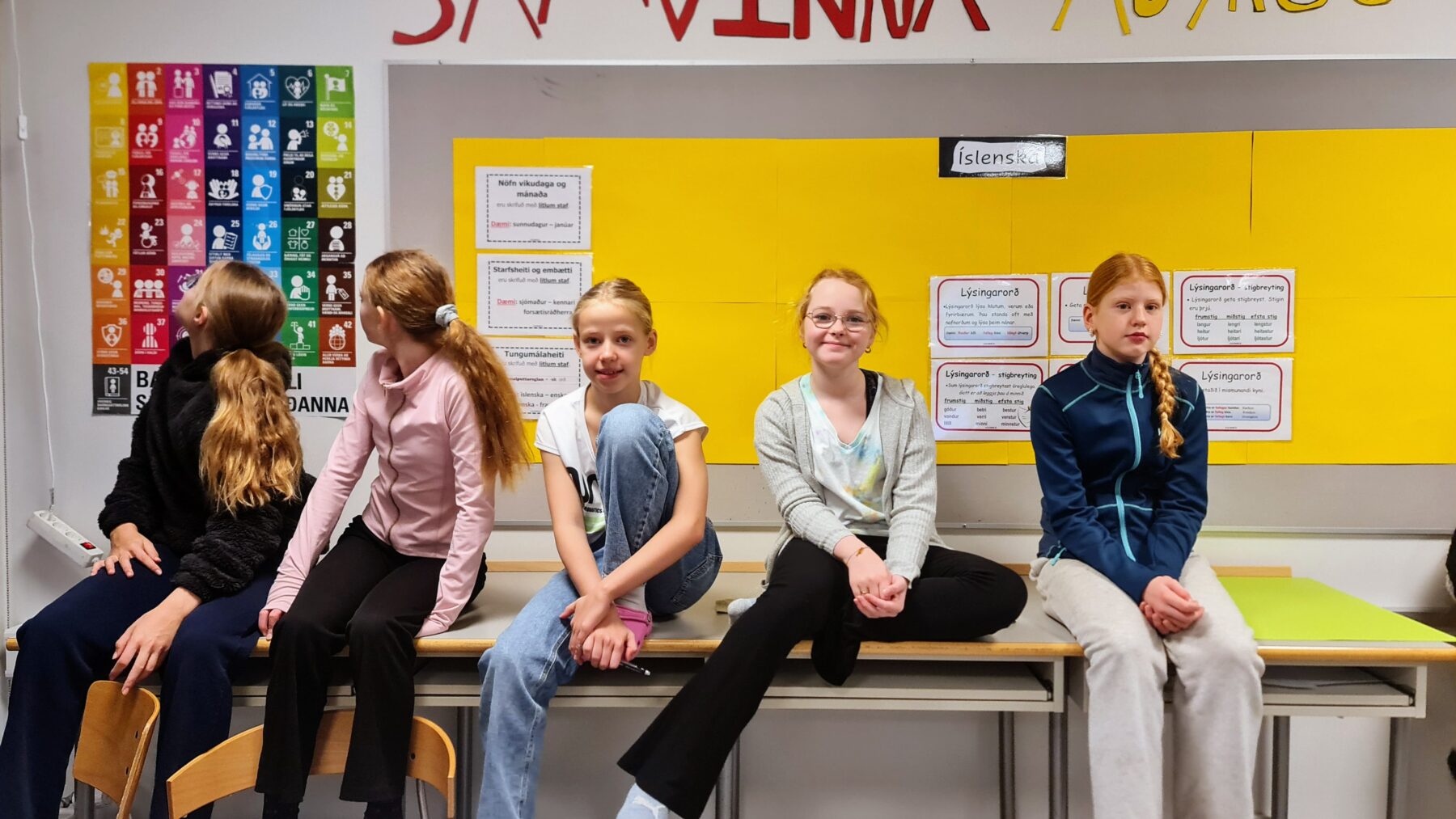
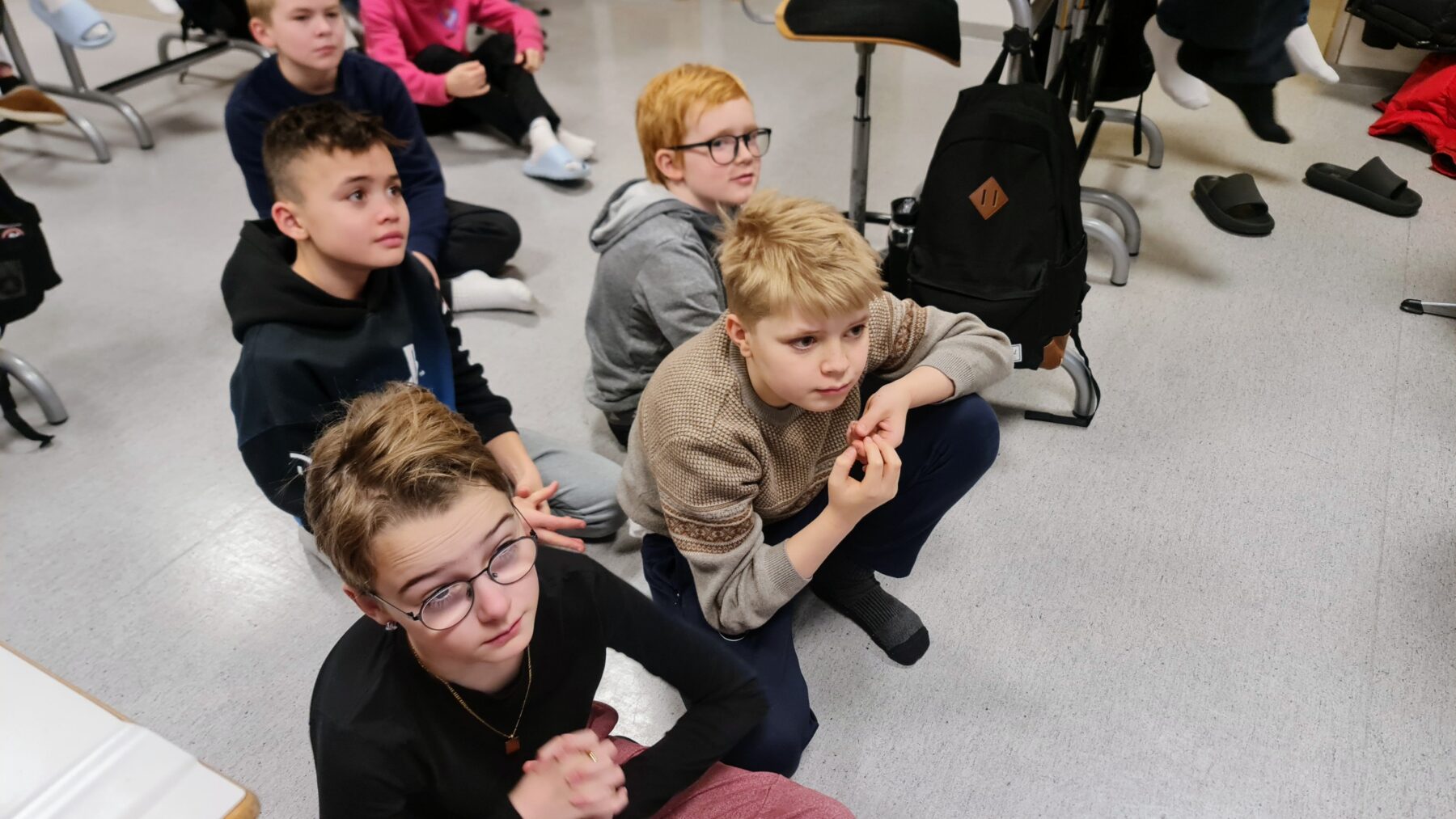
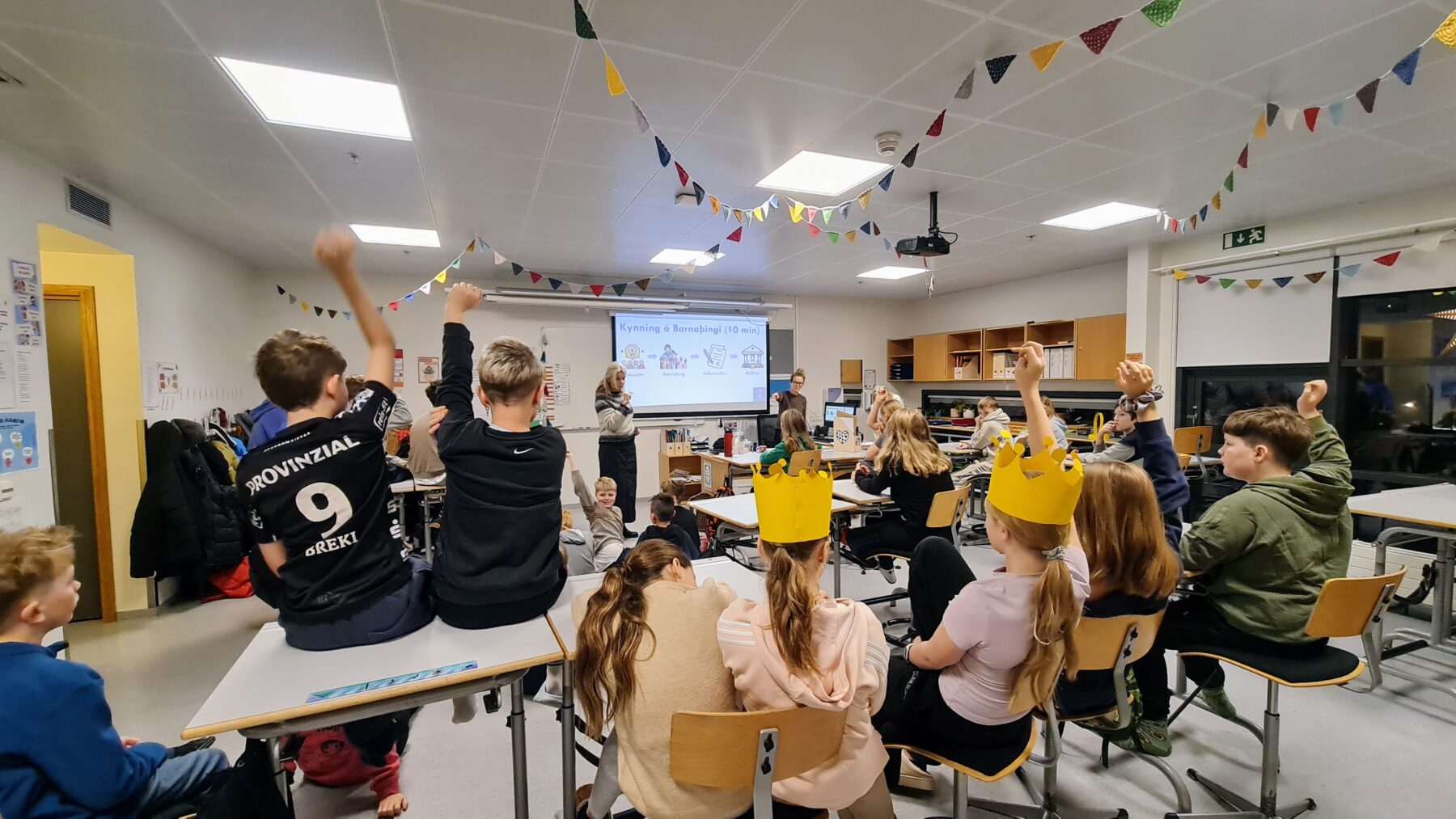
Today is the International Day of Children. The day marks the anniversary of the United Nations Convention on the Rights of the Child. To mark the occasion, all middle-school children in the schools of Hafnarfjörður attended workshops where they examined their rights and ways to uphold the Convention.
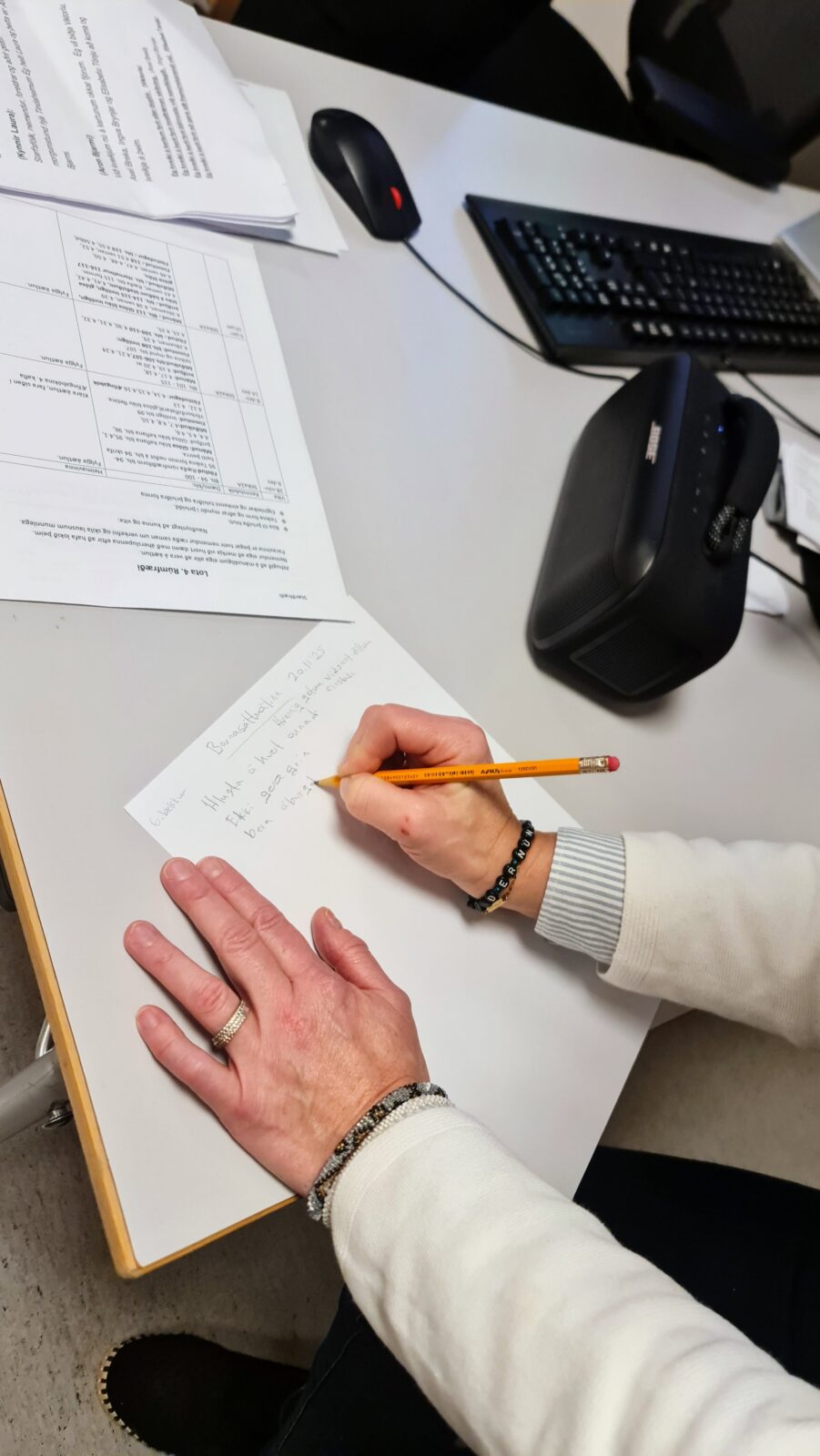
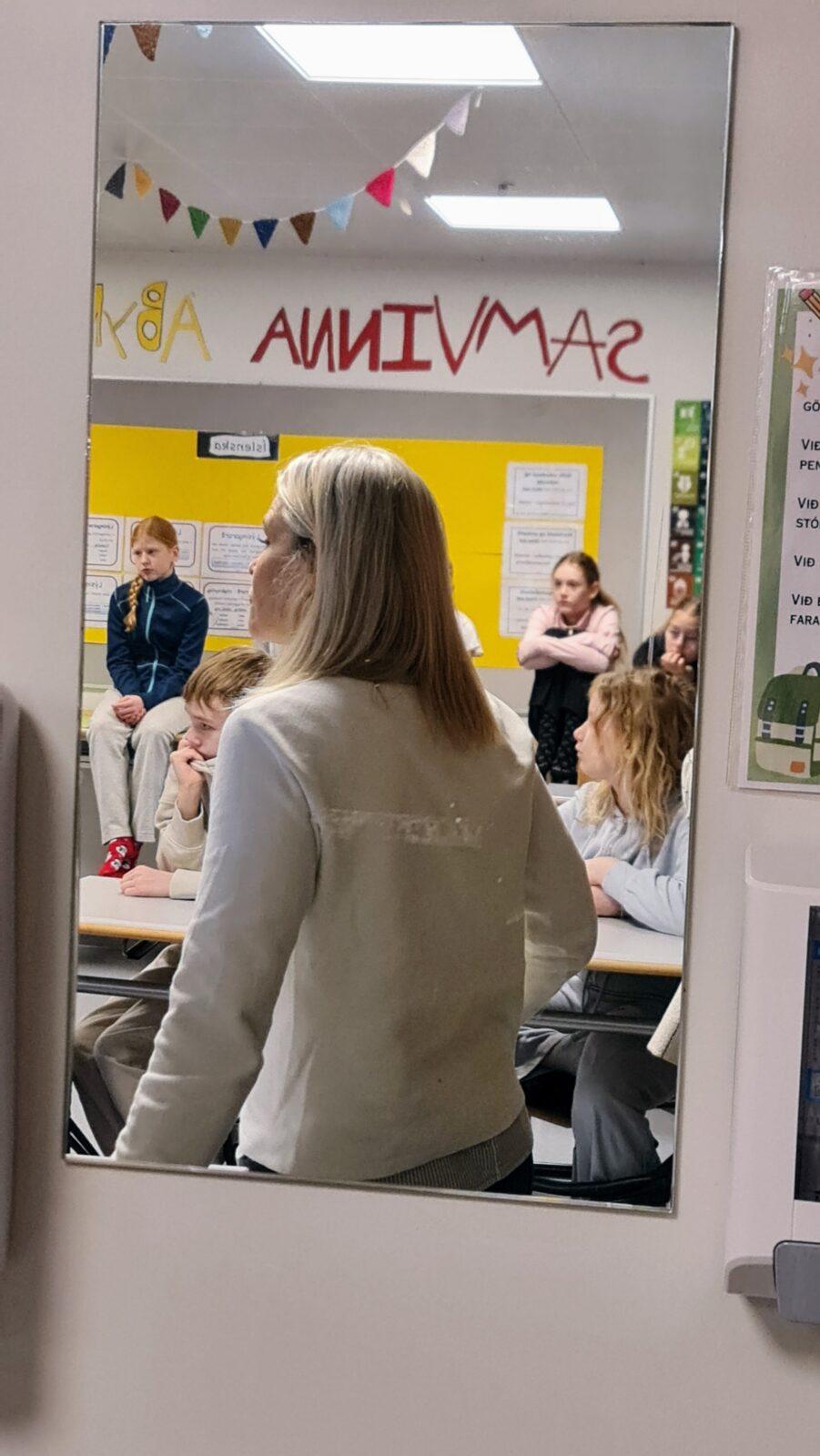
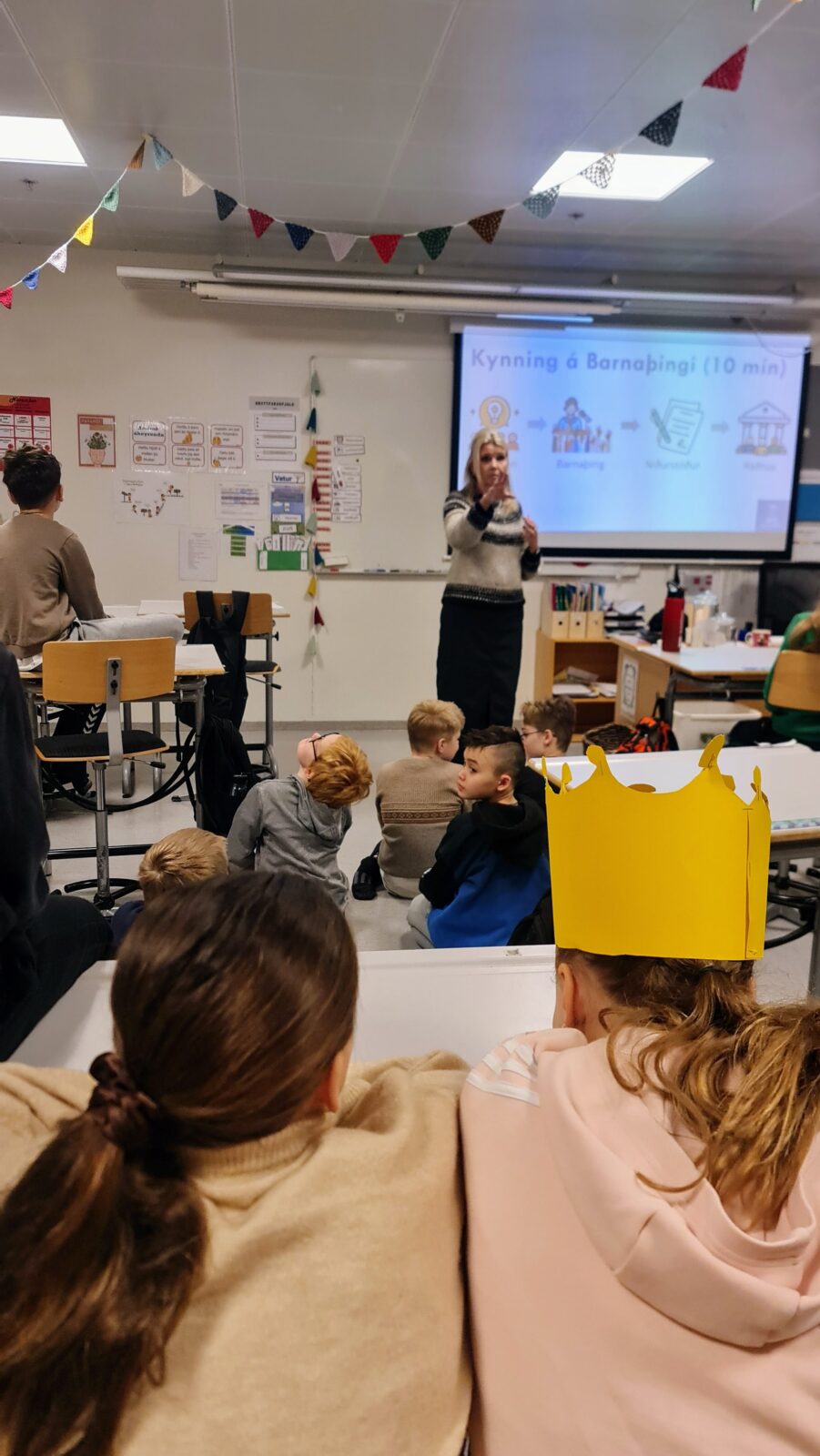
„I promise to treat others as I would like to be treated. I will strive to respect myself and others,“ said the Year 6 pupils of Áslandsskóli in unison, after examining the United Nations Convention on the Rights of the Child in a workshop during the first lesson.
The workshops were held in all primary schools in the town of Hafnarfjörður to mark today, 20 November, as International Children's Day. The day is the anniversary of the United Nations Convention on the Rights of the Child. The discussion workshop at Áslandsskóli was held for this very reason, as were those for the middle school pupils in all of Hafnarfjörður's primary schools. This is the first time the town has celebrated the day as a certified child-friendly municipality.
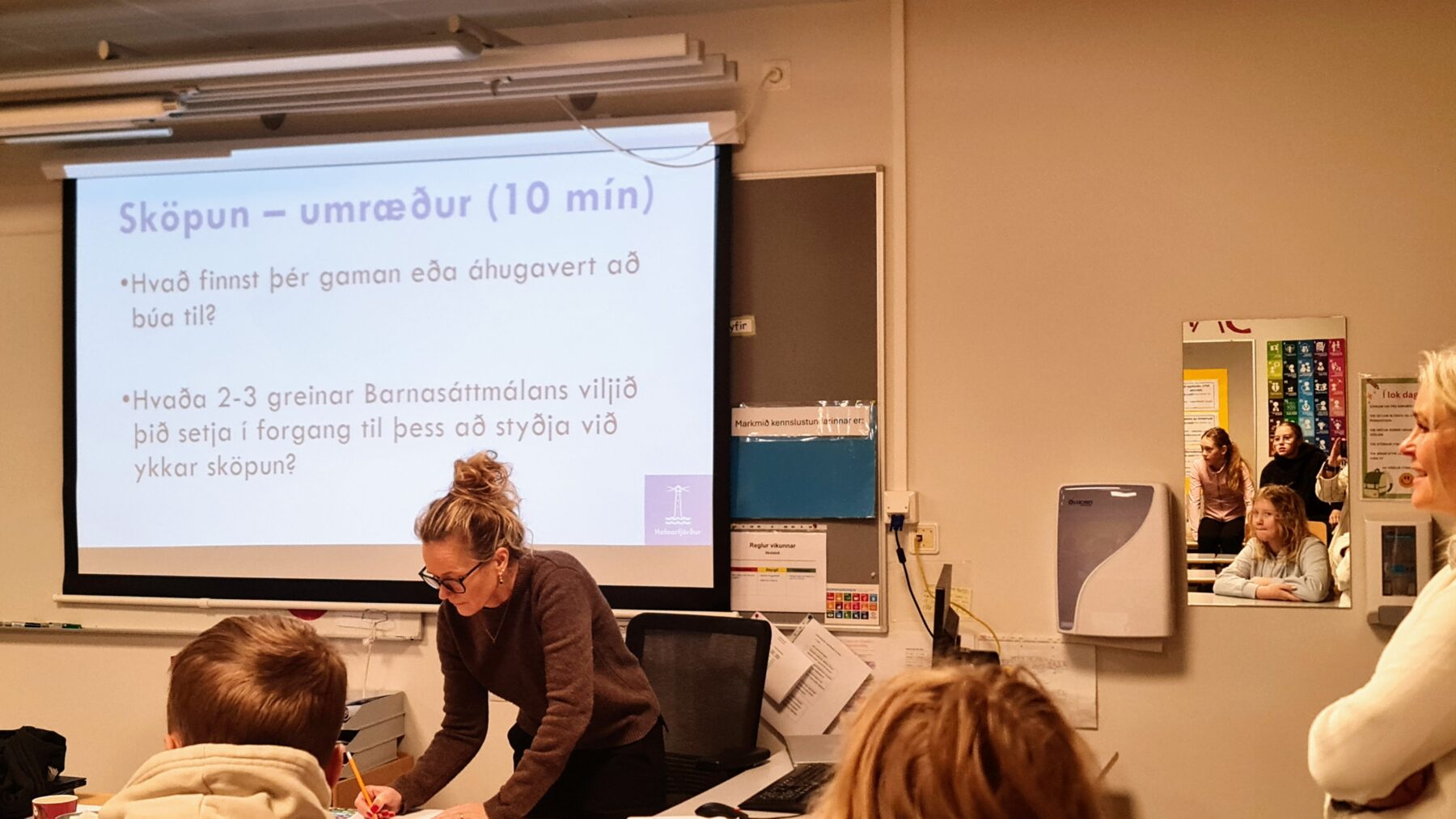
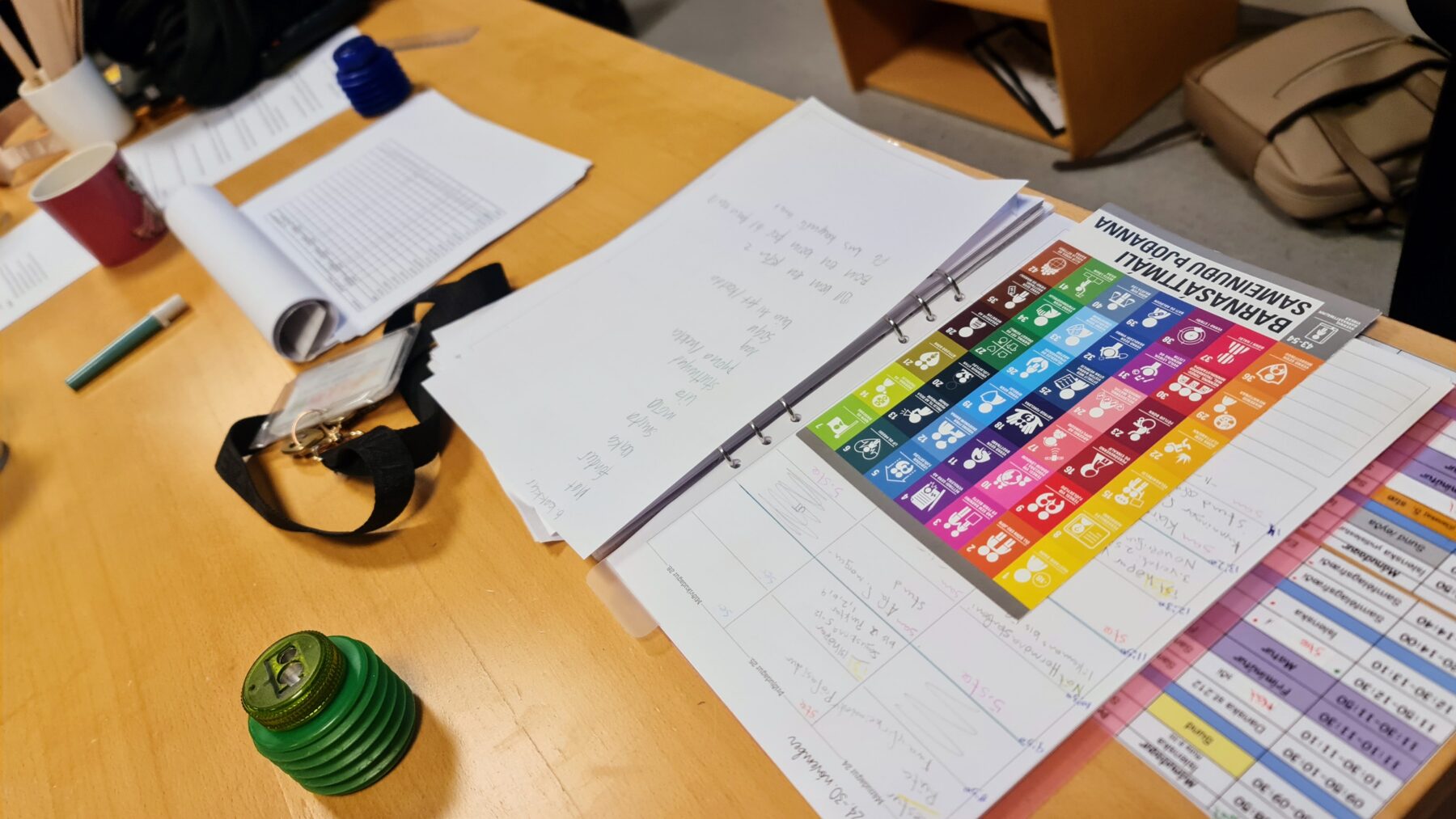
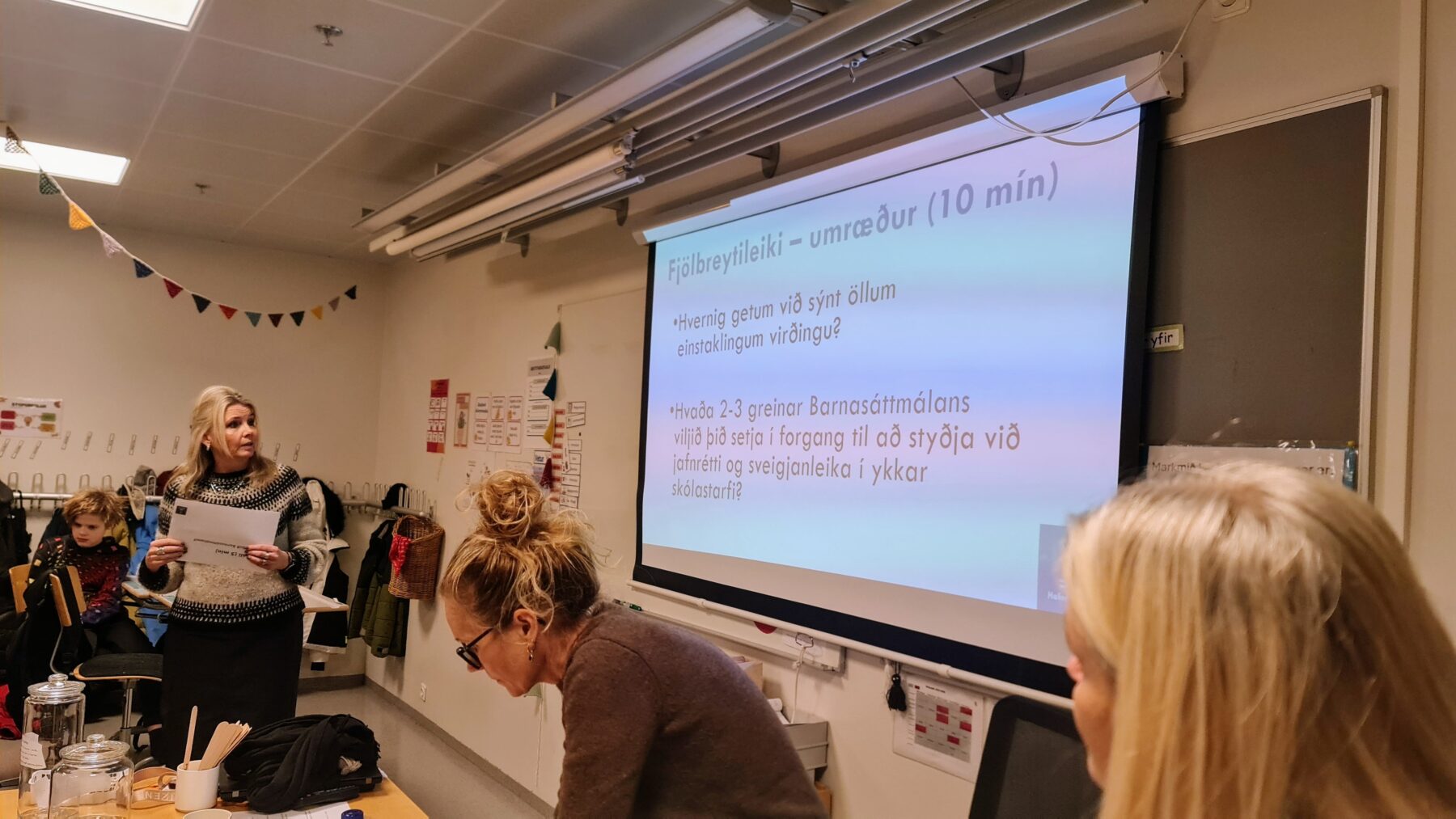
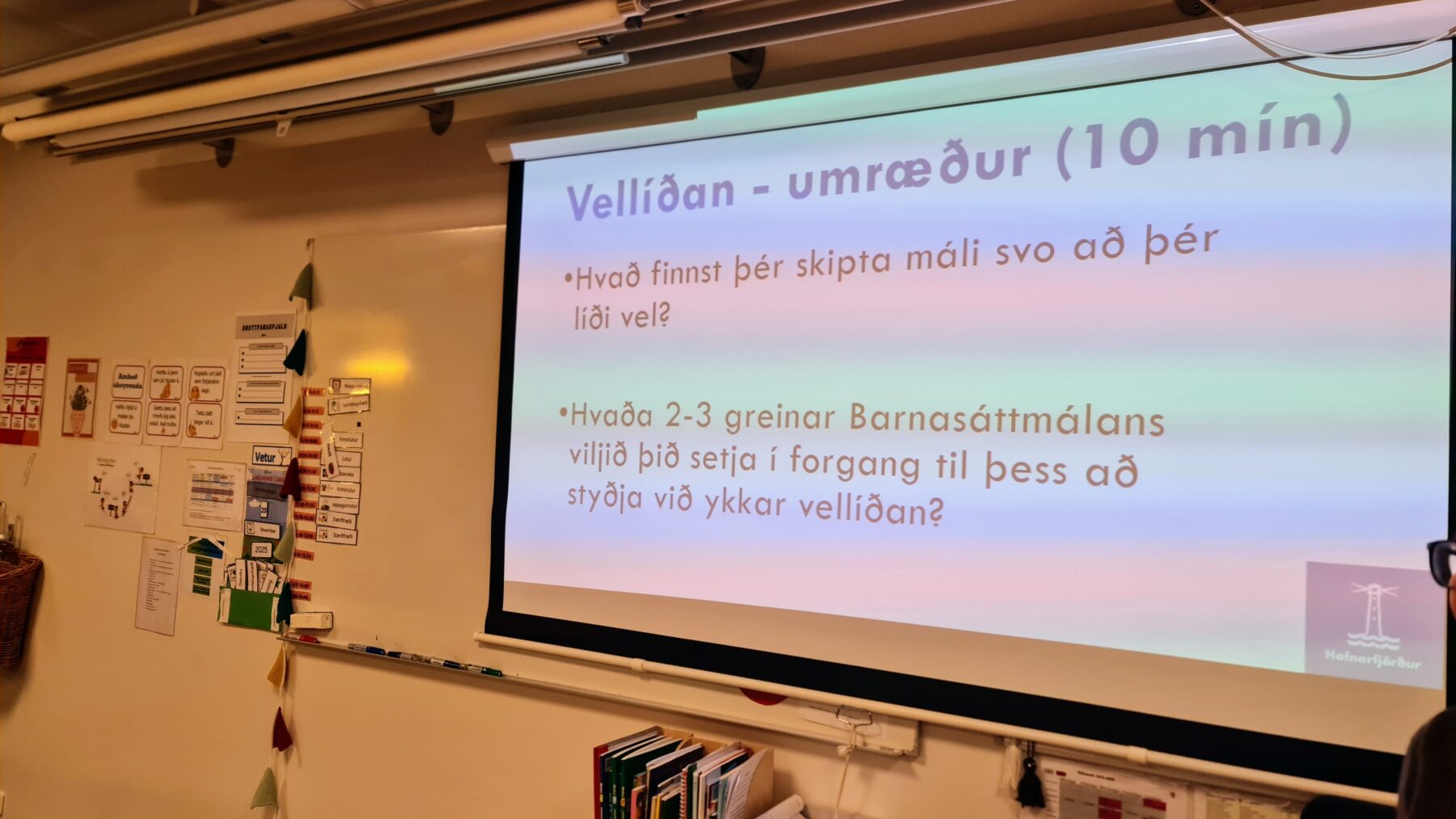
The workshops held this morning increase opportunities for children and young people to consult, both with their peers and with staff. They discussed which articles of the Convention on the Rights of the Child were relevant in different situations and how they could implement them.
„For example, talking nicely to each other,“ said one of the young people. „Don't make fun of others,“ said another. „Let everyone join in.“ Then one of them mentioned the importance of being responsible. They mentioned that everyone should be kept in mind when flexibility in schoolwork is considered. Violence must not be used and access to education must be guaranteed.
They went over what matters so they feel well:
The focus in the discussion hubs in all schools in the City of Hafnarfjörður is drawn directly from the City of Hafnarfjörður's education strategy. The topics are the strategy's first three priorities: creativity, diversity and well-being. The process as a whole reflects the fourth and final focus – collaboration. The municipality's education strategy is based on several articles of the Convention on the Rights of the Child: articles 2, 3, 6 and 12.
The students' findings from the workshops will shape the topics for the Children's Parliament, to be held in early 2026. The most common themes will provide the framework for the parliament's discussions. The Youth Council of Hafnarfjörður will be involved in the organisation of the Children's Parliament and will subsequently be offered a middle school advisory group in the municipality to, among other things, follow up on the parliament.
The children at Áslandsskóli were discussing taking part in the Children's Parliament. Those who were interested put their names forward and will be put into a hat. A draw will then be held to decide who takes part.
Hafnarfjörður was recognised as a Child-Friendly Municipality on 21 August. This includes, among other things, that the articles of the Convention on the Rights of the Child are used as a guiding principle in all of the municipality's decision-making and policy-making.
The mapping of data from the Children's Council also feeds into the assessment of the Child-Friendly Municipality, where it will be used in a new action plan for Hafnarfjörður.
Child-friendly local authorities promote the active participation of children in matters that concern them, and they consult with children and young people in a targeted manner to improve their services.
Among other things, becoming a Child-Friendly Municipality has led to a significant awareness among staff of the importance of listening to the youth council and seeking their views. Furthermore, great strides have been taken to establish the town's youth council as part of the local government's administration, for instance, by now having a youth representative at Education Committee meetings.
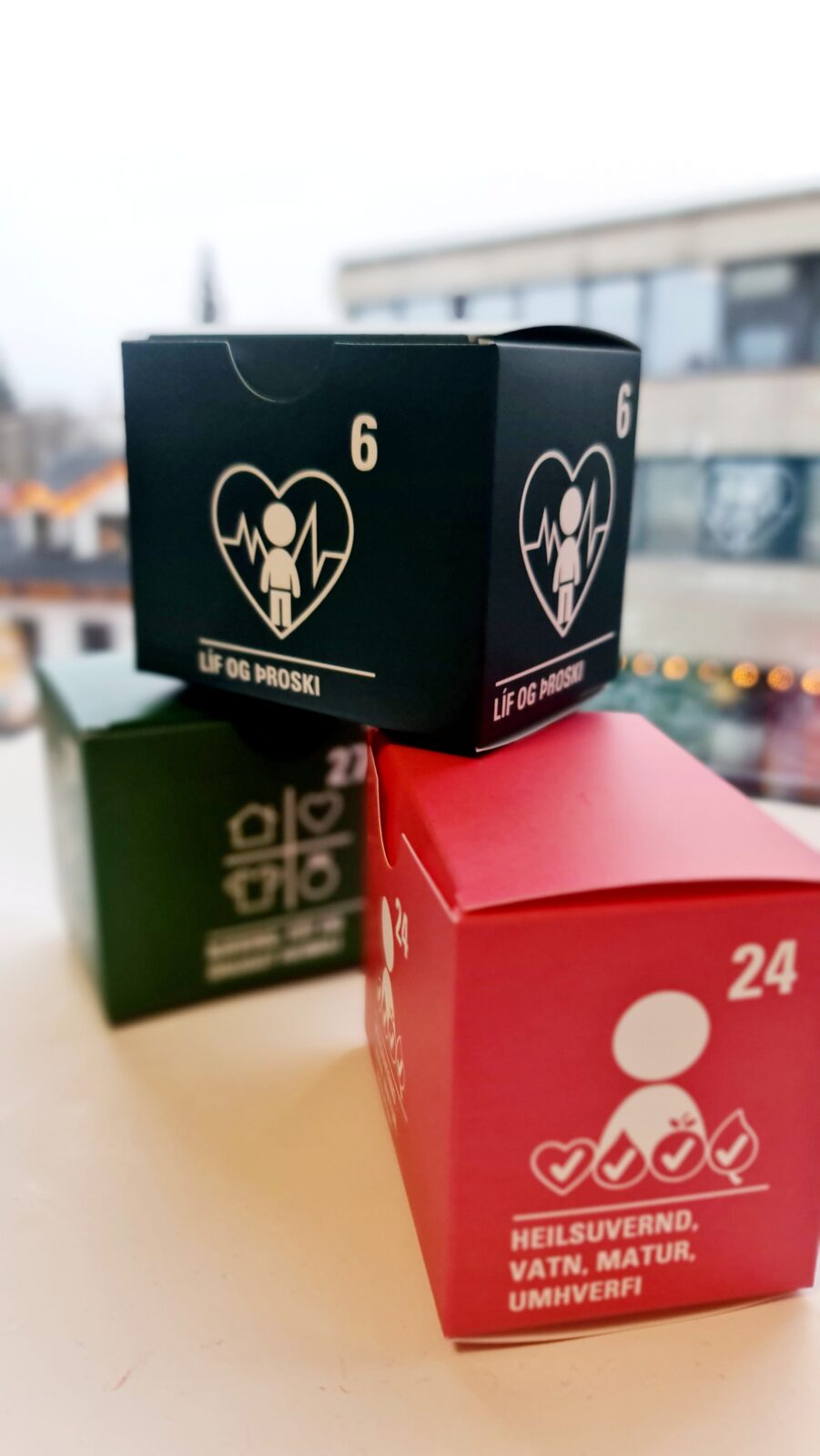
To mark the occasion, it was therefore decided to take the opportunity to further raise the visibility of the Convention on the Rights of the Child and to create a tangible version of the Convention. Our primary schools were therefore given a set of all the articles of the Convention in the form of small boxes that can be stacked, arranged and shared as desired.
Let's enjoy the day and think about providing a good environment for our children.