Stekkjarás
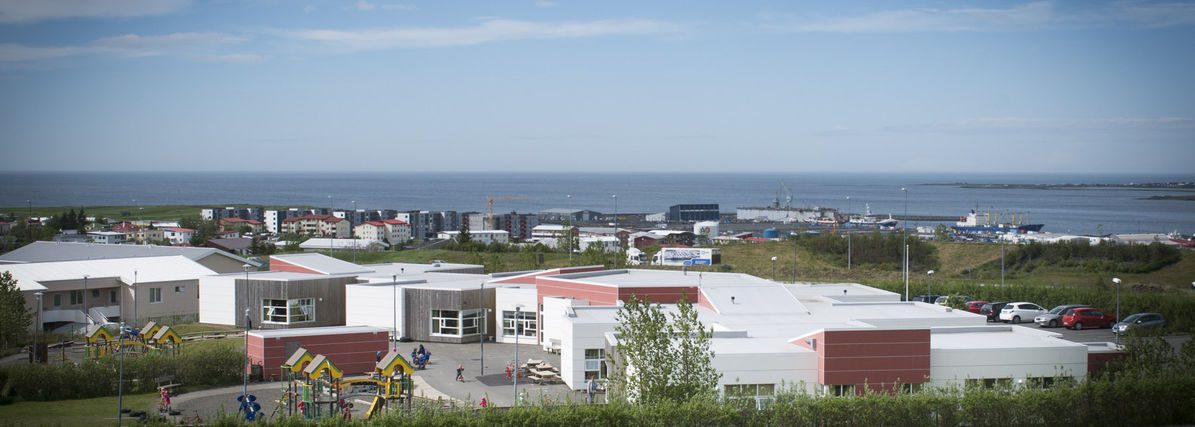
Stekkjarás Nursery School opened in September 2004. We currently have 150 children in 8 groups. 6 of the groups are mixed-age: Blásteinn, Fífa, Glaðheimar, Sólgarður, Stekkur and Þúfa, while two are dedicated infant groups with fewer children: Álfheimar and Krummakot.



Guiding principle

The child's ideas

Today's task
Ideology
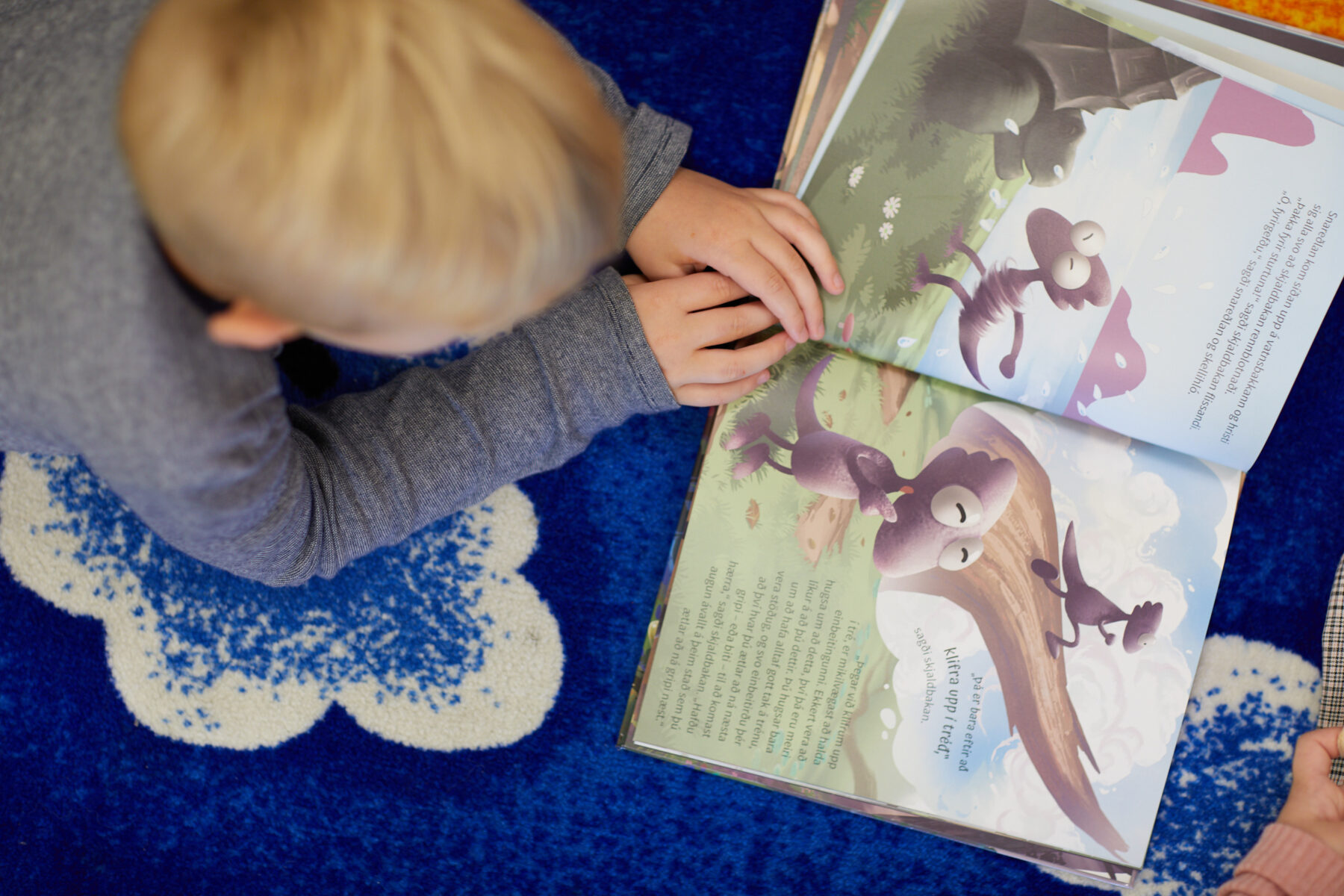
At Stekkjarás, we place an emphasis on creative thinking, outdoor learning and the use of open-ended materials in art. The children are at the centre of our practice, and we see them as independent and creative individuals who thrive in free play. We listen to their ideas and adapt our work and projects to the abilities and potential of each child. The aim is for the children to become initiators rather than followers. We are inspired by the Reggio Emilia approach, where creative thinking is central to our approach and reusable materials are used for play and creativity.
We want all children to feel comfortable and enjoy their day at the nursery in a stimulating and encouraging environment. By nurturing the group of children and creating a calm and secure atmosphere, we lay the foundation for the children to tackle challenging and developmental tasks that will strengthen them for the future. We believe that every child has unique abilities and the capacity to learn from adults, other children, and their environment – the third teacher.

Managers

Children's well-being
All children have the right to receive the services they need when required. It can be complicated to get appropriate help and to know where to seek it. New Success Act They must ensure that children and parents receive the right support, at the right time, from the right people.
Services for children
Services for children are provided at three levels. It is important to remember that the service is tiered, not based on the child's individual case. This means that children can receive services at more than one level.
The point of contact for success at Stekkjarás is Þyrí Huld Guðmundsdóttir.

Parental cooperation
Formal parent-teacher meetings are held twice a year – once in the autumn and once in the spring. Parents are also welcome to request a meeting with the class teacher or the headteacher as needed.
Parents' Association
Stekkjarás has an active parents' association. The association organises events in collaboration with the nursery manager and has, for example, organised plays, a Christmas party, a countryside trip, a summer trip and a leaving trip for the oldest children.
Parent Council
The nursery's parent council has three parents. Parents are elected to the parent council in the autumn. Parent Council reviews data received from the nursery manager and holds meetings as required. It then provides advises on the school curriculum and other plans concerning the nursery's activities, and has a say in major changes to the nursery's work.
The council members are:
- Thóra Ósk Böðvarsdóttir
- Johanna Maria Vignir
- Bergljót María Sigurðardóttir
- Signý Rún Geirdal Bjarnadóttir

Practical information
The nursery school system Choice is an important part of the nursery's work in Hafnarfjörður. There you will receive notifications and news from the nursery about the schedule, sleep, meals and how the day has gone. You can easily report absences, send messages, view the menu and the nursery calendar. Applications for a nursery place, changes and transfers are also handled through Vala.
Vala is available in a browser and as an app on smart devices. The app is in Icelandic, English and Polish. You need e-identification to log in.
When a child starts at nursery, it is important that the settling-in process is gradual so that the child feels secure in their new environment and enjoys themselves as much as possible. During the settling-in period, the child gets to know the staff, the other children and the nursery. The settling-in period is also a time for parents and staff to get to know each other and strengthen the partnership between home and school.
The first day is usually short, but the time gradually increases to give the child time to get used to the new situation. This also helps to reduce tiredness and stress. How long parents stay with the child during the settling-in period depends on the nursery and the child's needs, but you can usually expect to be present for the first week.
It is advisable to allow for greater flexibility at work for the time being if possible, as the child sometimes needs to be collected at short notice. The settling-in process can take up to 4–6 weeks in total, but the process is always adapted to the needs of each individual child.
Illnesses should be reported to the nursery via Vala. It is a good rule of thumb to keep a child at home for one day after they have been ill, to ensure they are fever-free. It is common for children starting nursery school to catch numerous illnesses during their first six months.
Staff must be informed when dropping off and collecting a child from the nursery. This is an important safety measure. When applying for a nursery place, you will register who is authorised to collect your child. If this needs to be changed, you can speak to the group leader.
The children usually go outside every day. When a child starts at nursery school, it is a good idea to speak to the staff about what is necessary to bring to the school, for example a change of clothes, outdoor clothes and shoes suitable for the Icelandic weather, sun cream, nappies, wet wipes and so on.
Wet and dirty clothes should be taken home at the end of the day, but dry clothes can be kept at the nursery. On Fridays, everything belonging to the child should be taken home. It is important to label all clothes clearly.
Children receive breakfast, lunch and an afternoon snack at the nursery. Therefore, children do not normally need to bring a packed lunch. If a child is unable to eat any particular food due to an intolerance, allergy or for religious reasons, it is important to inform the nursery staff.
Normal nursery school days are 180 days a year. Other days when the nursery is open but may count as a holiday are called registration days. On these days, children must be specifically registered for the nursery; otherwise, they will be considered to be on holiday. Nurseries announce registration days well in advance and request registration.
View the 2024-2025 nursery calendar
- 2 days in October when there is a winter holiday in the primary schools of Hafnarfjörður.
- From 21st December to and including 2nd January.
- 2 days in February when there are half-term holidays in the primary schools of Hafnarfjörður.
- 3 days in Holy Week before Easter.
- From 10 June to 10 August.
- Children take a four-week continuous summer holiday over the summer.
Nursery schools in Hafnarfjörður are closed for 5 days a year for planning days, in addition, there are 4 half-days throughout the year for planning school activities. The nursery schools are always closed on public holidays. You can see the nursery's calendar in Vala.
Nursery schools in Hafnarfjörður are closed for 3 weeks in July, and children take a minimum of four consecutive weeks of summer holiday. There is no charge for nursery fees during the summer holiday or when the school is closed.
A flexible attendance schedule allows families to tailor their children's nursery care to their needs. Families only pay for the time used, which makes it possible to reduce nursery fees. The minimum attendance is 4 hours per day, for a minimum of 20 hours per week. The maximum is 42.5 hours per week (8.5 hours per day).
Registration for flexible accommodation is at the beginning of each term, or no later than:
- 15th August for the autumn term
- 15th December for the spring term
The nursery has a structured programme. It is good for the children to have a certain routine and to know what happens next; this is fundamental to their sense of security. With a familiar schedule, children know what to expect each day, and the structure prevents unnecessary waiting times and friction in interactions. In the autumn, parents receive a school calendar for the winter, which outlines the general structure for each month.
The nursery day is split into two.
- Targeted professional work is from 9 am to 3 pm every weekday.
- Free time and playtime are from 7:30–9 and after 3 p.m.
The Capital Region Fire and Rescue Service issues weather warnings when necessary, in consultation with the police and the education authorities.
It is important that parents and guardians closely monitor weather news, forecasts and other guidance from the authorities that could affect their children's schooling, and respond accordingly to the circumstances at any given time.