
Stronger internal pillars in the digital world
The project Shake-free togetherness is developing at Hvaleyrarskóli. Teachers and professionals within the school have noticed that an increasing number of teenagers are struggling with anxiety, depression, self-criticism and a difficult relationship with their emotions. Alongside this development, unpurposeful screen use has increased.
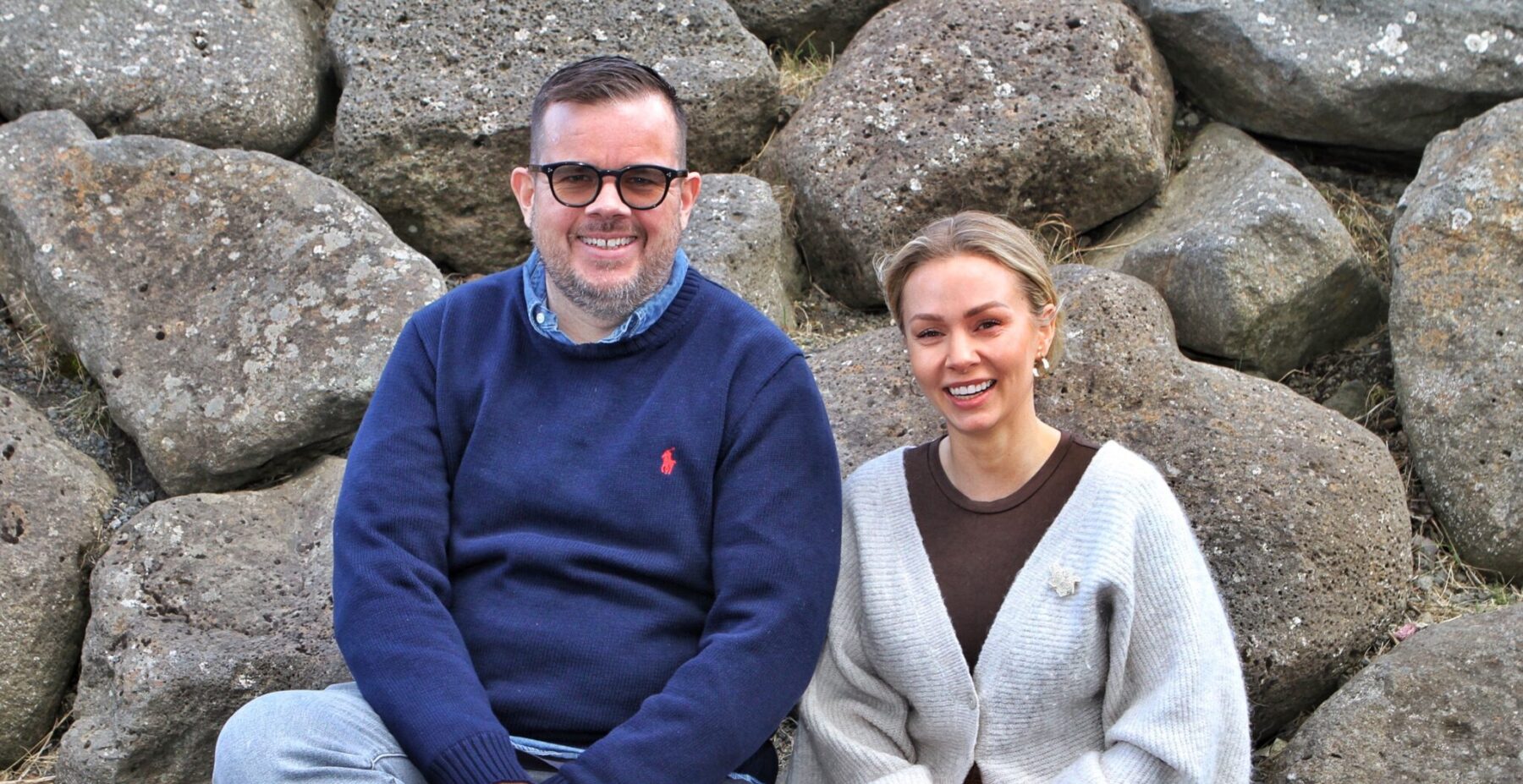
Teaching teenagers to strengthen their connection with themselves and others
In recent years, there has been much discussion about increased mental health distress among young people, particularly in relation to social media, screen use and constant digital stimulation. Teachers and school professionals have noticed that an increasing number of teenagers are struggling with anxiety, depression, self-criticism and a difficult relationship with their emotions. Alongside this development, unregulated screen use has increased. The project Shake-free togetherness is being developed at Hvaleyrarskóli, where the project is led by special needs teacher and psychology master's student Haukur Þór Þorvarðarson, and yoga teacher and clinical psychology master's student Eva Rós Gústavsdóttir.
More mindfulness, self-compassion and empathy
„The project is based on the idea that it is important to help young people develop greater mindfulness, self-compassion and empathy for themselves. By enhancing their ability to recognise their own emotions and meet them with understanding rather than avoidance, it is possible to reduce unregulated screen use and promote improved well-being. We also want to reach children from disadvantaged backgrounds who do not have a strong support network, as they are heavily immersed in the digital world and many develop risky behaviours.“ Haukur says, adding that the project draws inspiration, among other things, from the theories and research of Paul Gilbert and Kristin Neff on self-compassion, where the emphasis is on empathy as an active method for positive change.
The aim of the project is not to remove phones from the lives of young people, as they have become a major part of daily life and communication. „We aim to teach young people to become more aware of their own behaviour and to recognise when they automatically reach for their phone in response to distress or uncomfortable feelings. Often these feelings are vague, and young people don't have the words or tools to work with them. Scrolling through social media then becomes an easy way to escape the moment.“ says Eva Rós.
Greater emotional resilience and better self-understanding
The project focuses on mindfulness exercises, compassion and self-compassion as a way to enhance resilience and emotional regulation. „By teaching young people to sit with difficult emotions instead of avoiding them, greater emotional resilience and better self-understanding are fostered. The idea is that they learn to notice how they are feeling before automatically reaching for their phone and can instead choose behaviour that genuinely supports their well-being, such as exercise, a creative activity, socialising or resting.“ says Eva Rós.
The project will also discuss the effects of social media and constant dopamine stimulation on the brain activity of young people. Endless scrolling can induce short-term stimulation without leaving behind any real well-being or fulfilment. „On the contrary, such behaviour can increase feelings of emptiness, shame and helplessness. Through the project, we therefore aim to foster a more conscious and healthier connection among young people with themselves, others and their digital environment.“ says Haukur Þór.
Create a safe and welcoming space for dialogue
The project is for young people in Years 9–11, and its aim is to create a safe space where they can discuss mental health, identity and screen use in an open and non-judgemental way. Through increased self-compassion and empathy, it is hoped that young people will develop stronger inner foundations, find their own voice, and forge a better connection with their own needs, as well as an increased ability to face the challenges of daily life without constantly seeking a digital escape. „We will, in consultation with them, create a welcoming space and environment for them and use the educational grant for this purpose, among other things.“ they say in the end, and are very much looking forward to making this happen this autumn.
In recent weeks and in the coming weeks, interviews with grantee from the Hafnarfjörður Education Fund be published on the media channels of the City of Hafnarfjörður. This gives residents and other interested parties the opportunity to gain a deeper insight into the excellent projects and creative school and leisure activities.