
Extensive work has taken place in Hafnarfjörður concerning the well-being of children and the integration of services.
Extensive work has been carried out in Hafnarfjörður concerning the well-being of children and the integration of services. New legislation was enacted in 2021 on the integration of services for the well-being of children. This legislation represents a new approach to the integration of services for children and their families. This means that many systems work together to find the resources that are right for each child.
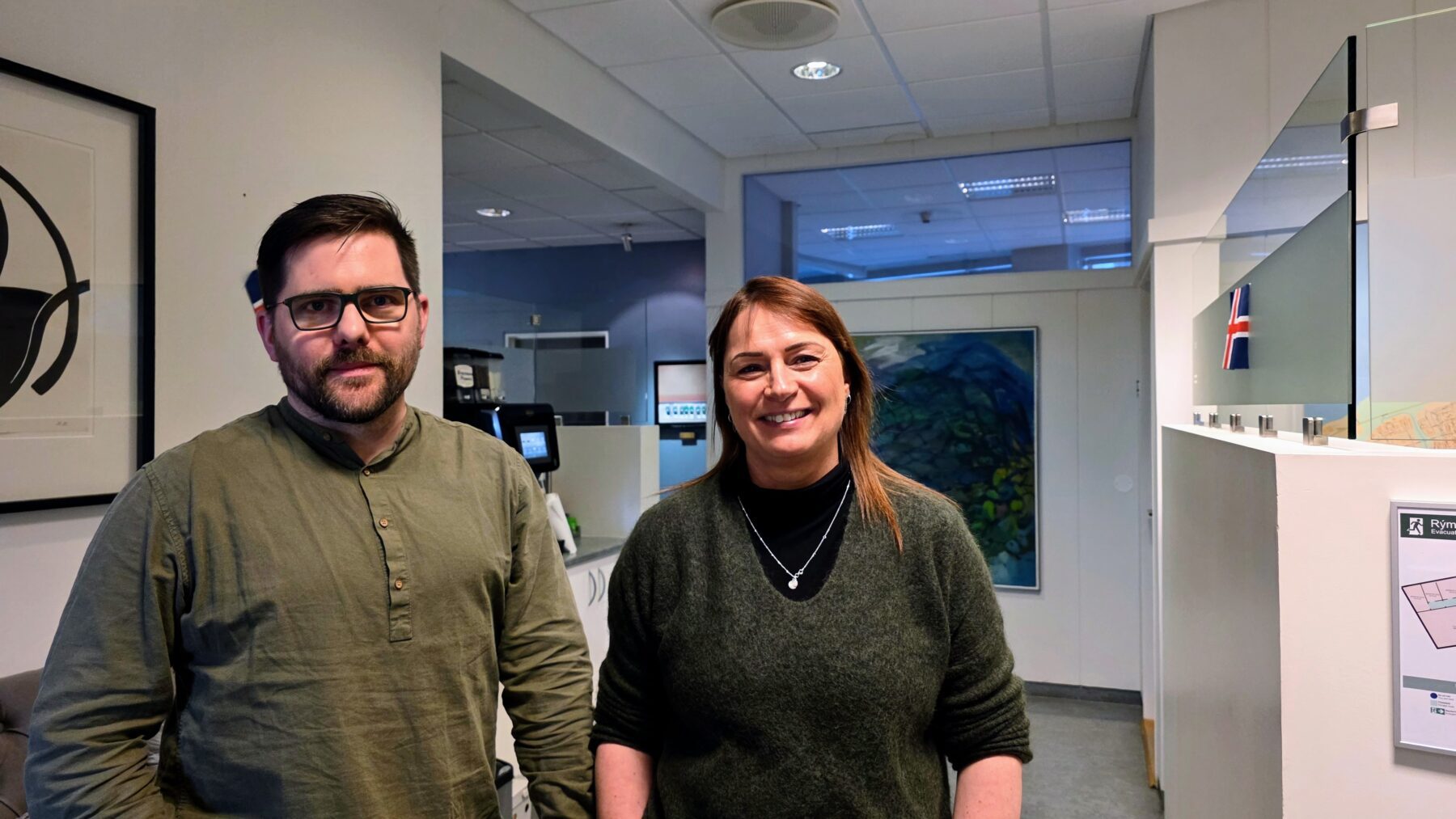
„The implementation of the law is a major undertaking that requires a new approach to this issue. The implementation is complex and requires nurseries, primary schools, secondary schools, the local authority, child protection services, the police and other external service providers, as well as the health service, to work together for the welfare of children in Hafnarfjörður,“ says Erla Björg Rúnarsdóttir, Head of the Integrated Services for Children and Young People department at Hafnarfjörður Municipality. She is leading the project's implementation for the municipality.
Experts from the City of Hafnarfjörður mapped out their processes and reviewed applications and forms that had been in use.
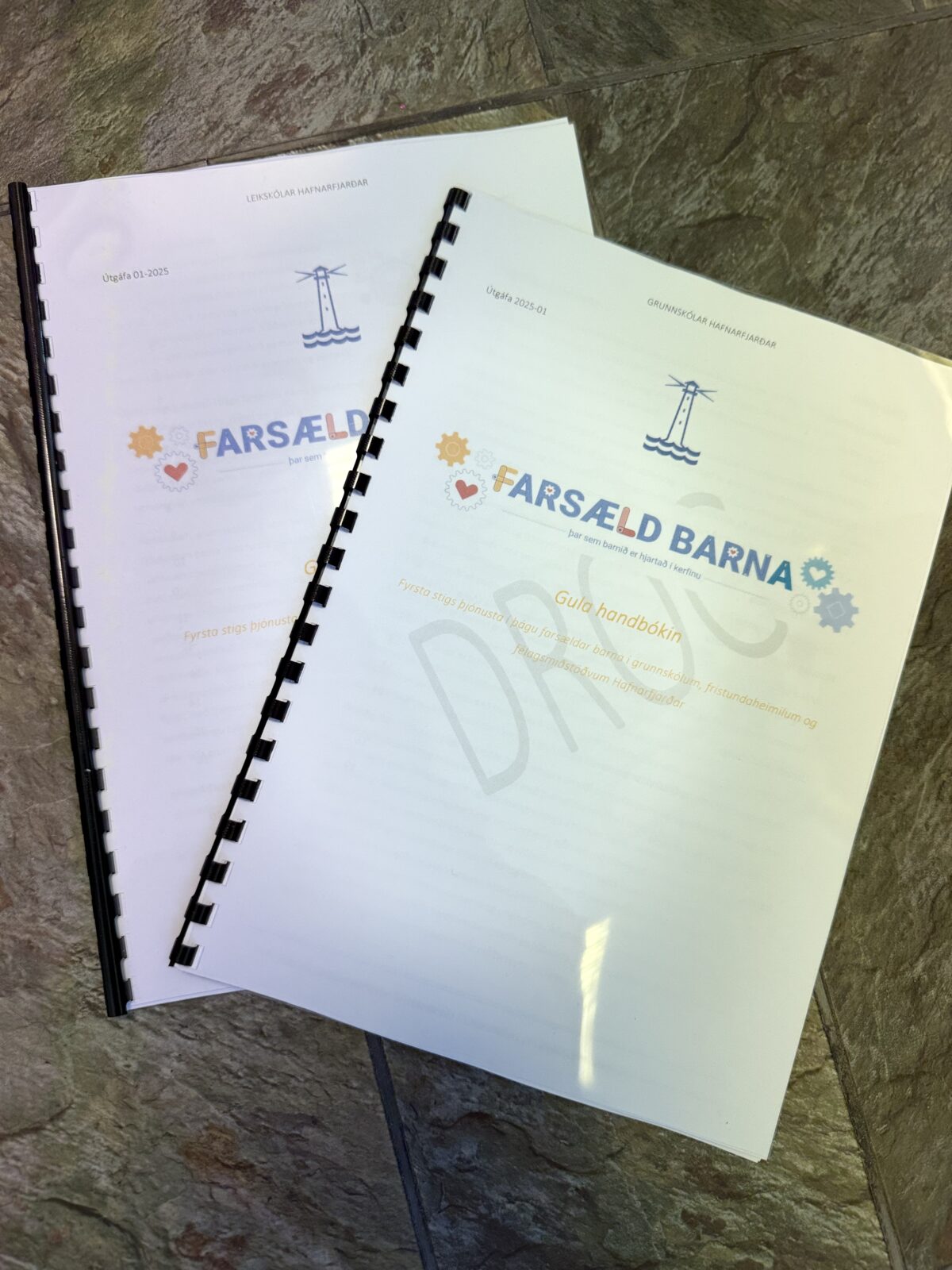
„The aim was to draw up simple and clear processes. New posts and new job descriptions were created for successfulness contacts. Handbooks were created as guidance for all stakeholders involved in a child's welfare and the integration of services,“ says Erla Björg.
„The handbooks themselves cover the success process, but also how the process works within Hafnarfjörður, data completion, and much more. Hafnarfjörður is the first municipality to appoint success coordinators with a specific job description on a 50% work schedule in the town's primary schools,“ she says.
All nurseries and primary schools mapped and recorded all the resources available to them for children and carers. The same was done by administrative staff for resources run by the local authority or by third parties. Hafnarfjörður has, ahead of all other municipalities To publicly publish all lists of resources for primary and nursery schools, along with resources provided by Hafnarfjörður.
Ingvar Högni Ragnarsson, Digital Projects Manager, then worked on web processes and presentation in collaboration with Mennsk and Avista.
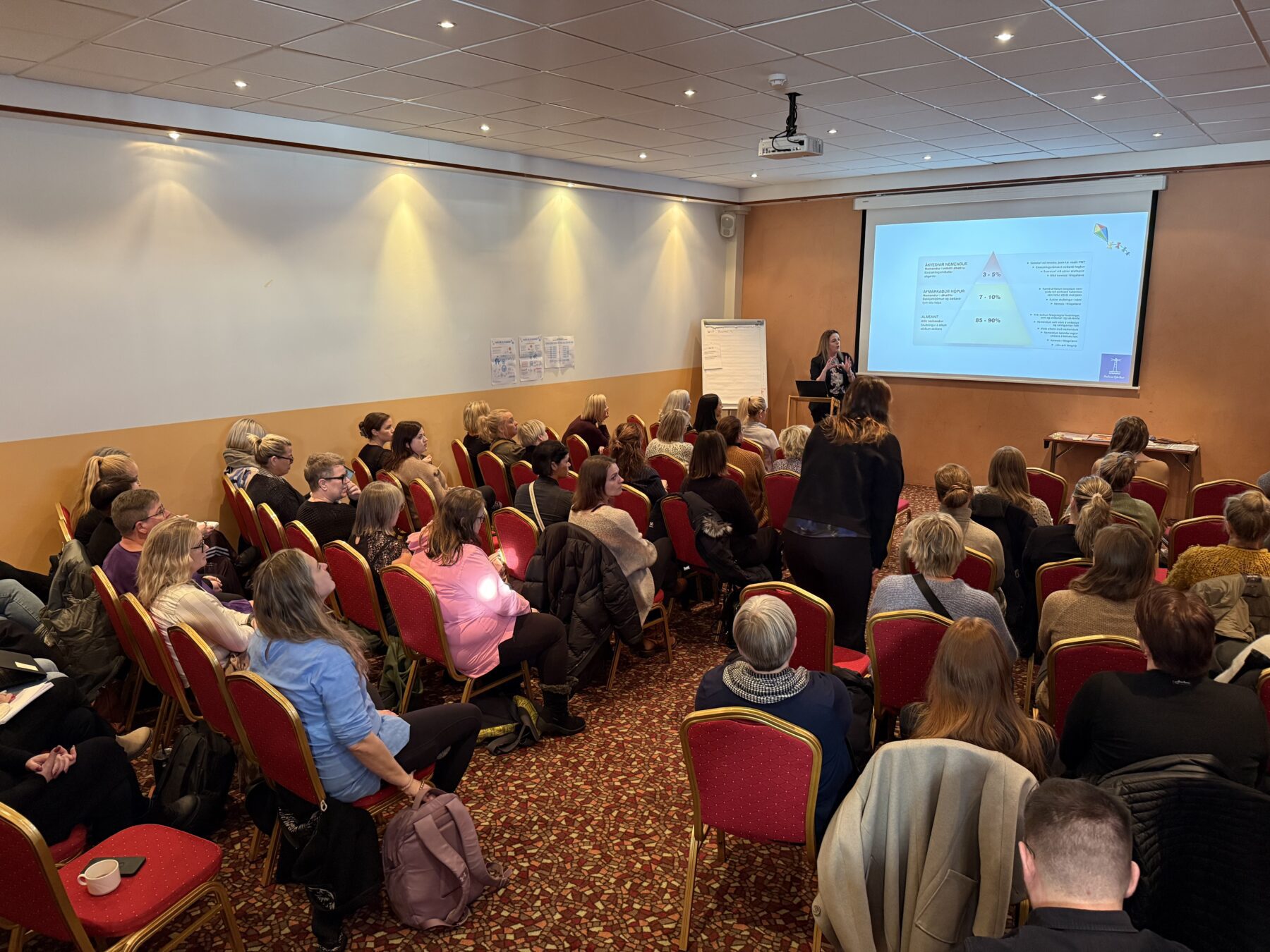
Ingvar describes how the service is divided into three tiers. Within each tier, the service or resources applied can be at different levels.
„The service can flow between schools, the local authority and third parties, so processes must be clear and the working methods well-organised,“ he says.
„The vision is clear, but the implementation of integration can quickly become complex, raising many questions, as children, guardians and specialists must all be taken into account.“
To help staff and residents of Hafnarfjörður understand the integration of services for the well-being of children, the municipality commissioned posters that explain the service in a simple, visual way. With a single click, you can use the QR code to visit the City of Hafnarfjörður's website and read more about the subject.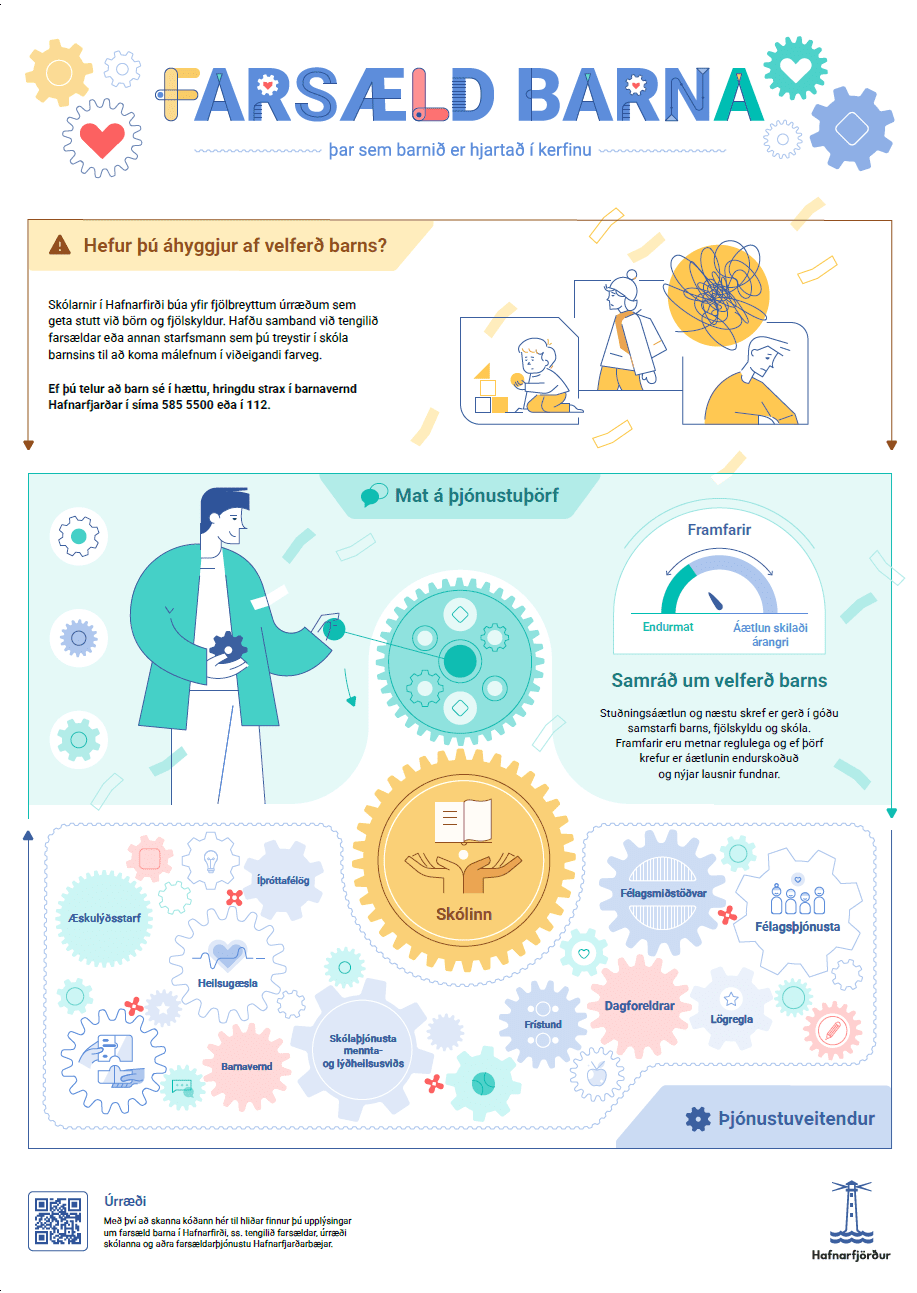 Here is a poster that explains procedures in a simple way.
A more detailed poster was also created to provide a simple visual explanation of child well-being for staff and professionals.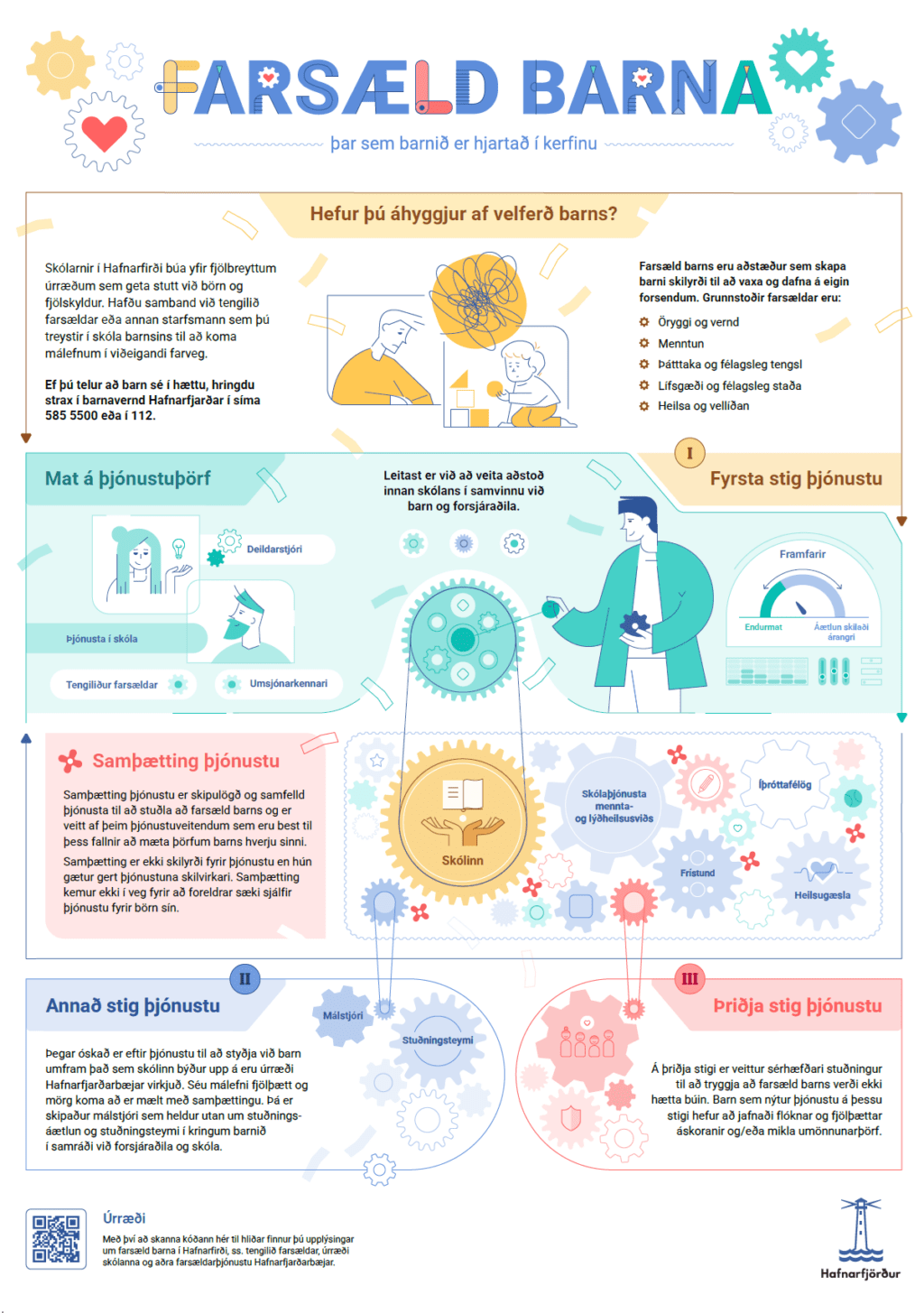 Here is a poster that explains the process for staff.
A new website was designed with simple and clear guidance for residents of Hafnarfjörður and for those who wish to learn about the first steps of service integration and the resources available. Ingvar Högni led that work.
The process has been extremely complicated because data is transferred between school levels and the administration, and sometimes to third parties. Data has been on paper and stored in folders and filing cabinets, or digitally, a mixture of both. Staff were working in different case management systems, making all administration extremely cumbersome, slow and complicated. This was a clear opportunity for improvement.
„Hafnarfjörður, Árborg and Akranes have been working together on the implementation of children's well-being, because alongside the implementation of this legislation, they have been introducing a new case management system that creates opportunities for collaboration and synergies for the benefit of all. A great deal of work has gone into harmonising case processing, setting up applications and how data is shared,“ he says.
Ingvar Högni says it will be a great revolution for residents and staff when everyone works in the same system. „All data and information will flow seamlessly between them and all processing will be done electronically,“ he says. All nurseries and primary schools, along with the Family and Child Welfare Department and the Department of Education and Public Health, will now be on the same case management system.
„This will be a revolution for the administration and processing of integrated cases, where all applications and forms will be electronic. This work is not yet complete, but the aim is to finish it in the second half of 2026.“
Erla Björg says the future is bright in Hafnarfjörður when it comes to the welfare of children. „A good foundation with fertile ground is being created. The project will only continue to grow and flourish, and we are very much looking forward to being able to guarantee all children's right to services, where everyone can enjoy themselves on their own terms.“
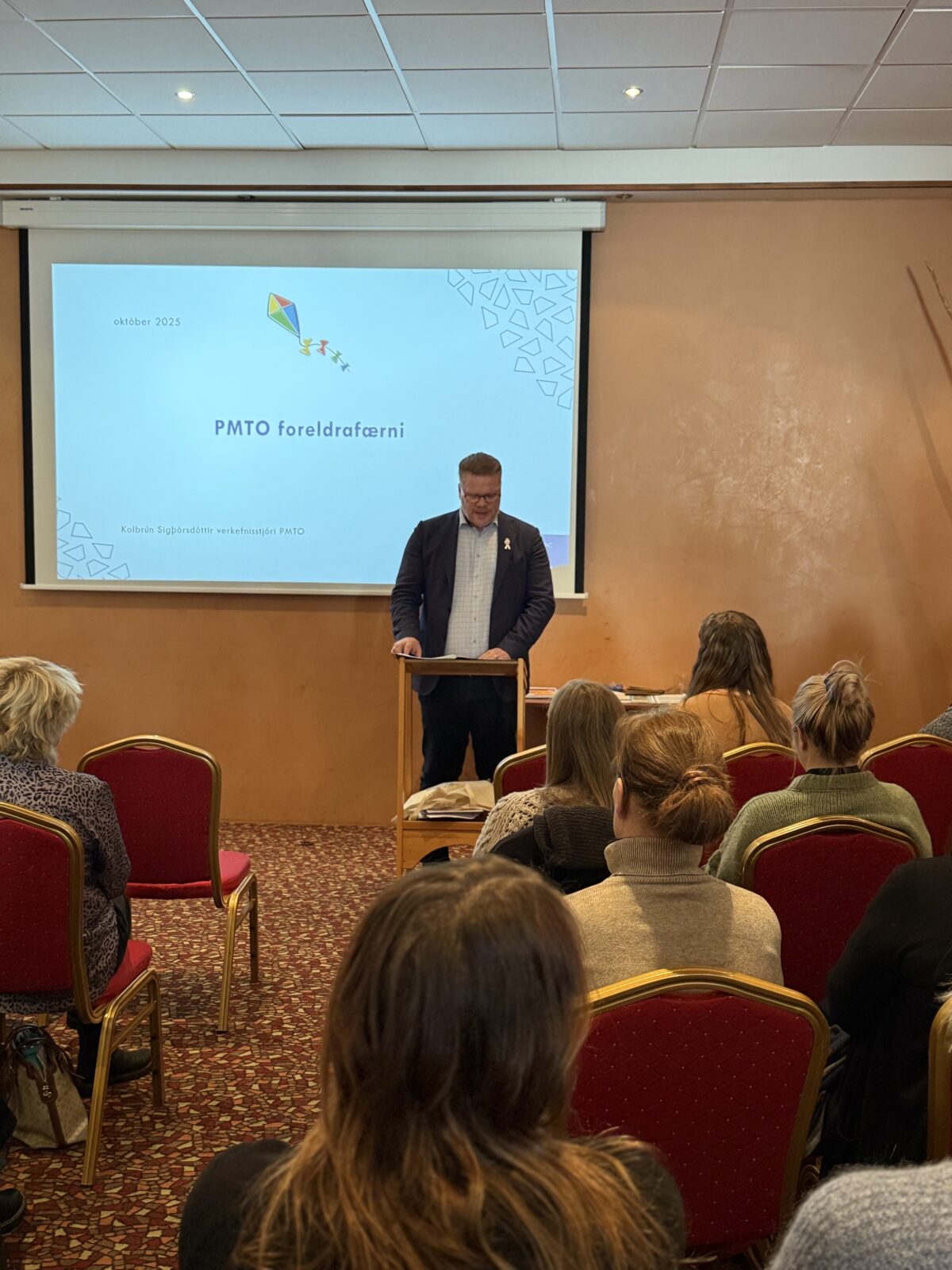
Photo caption: Photos below from the Liaison and Integration Day held in October.