
Our West End has become the largest built-up conservation area in Iceland. Within the area are over 230 houses and house parts, and the conservation reflects the ambition of us, the people of Hafnarfjörður, in this field.
Our West End has become the largest built-up conservation area in Iceland. Within the area are over 230 houses and house parts, and the conservation reflects the ambition of us, the people of Hafnarfjörður, in this field.
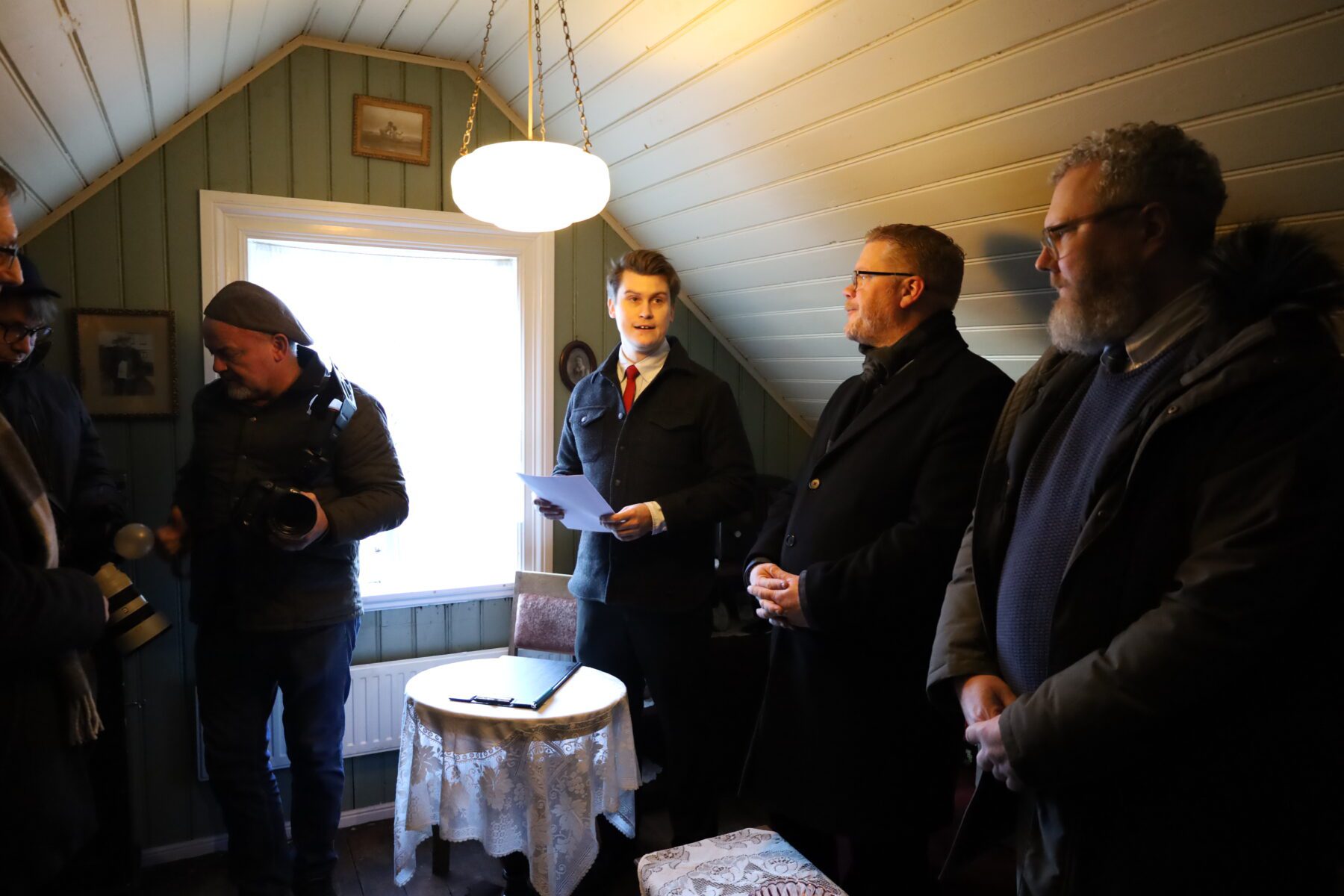
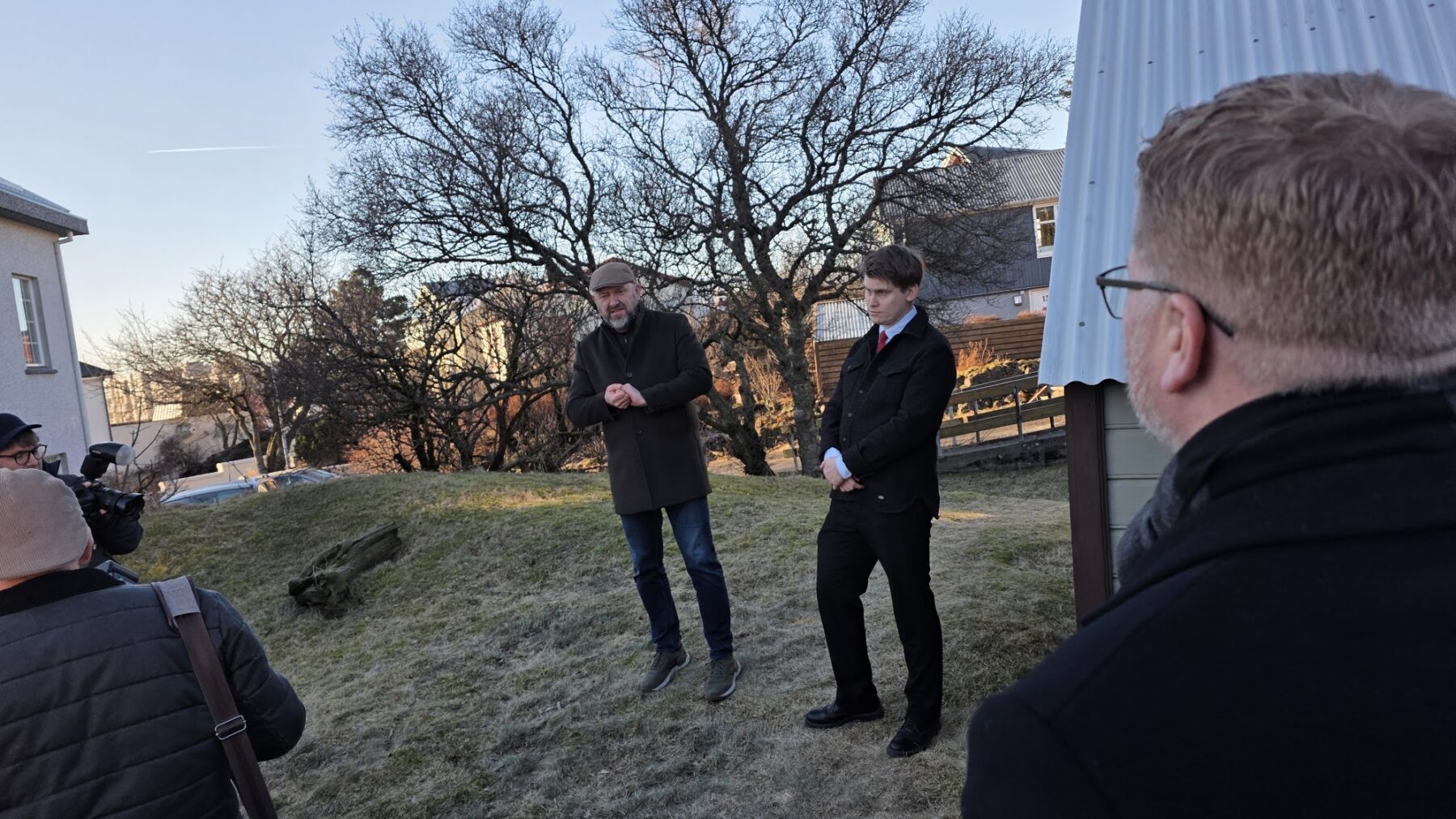
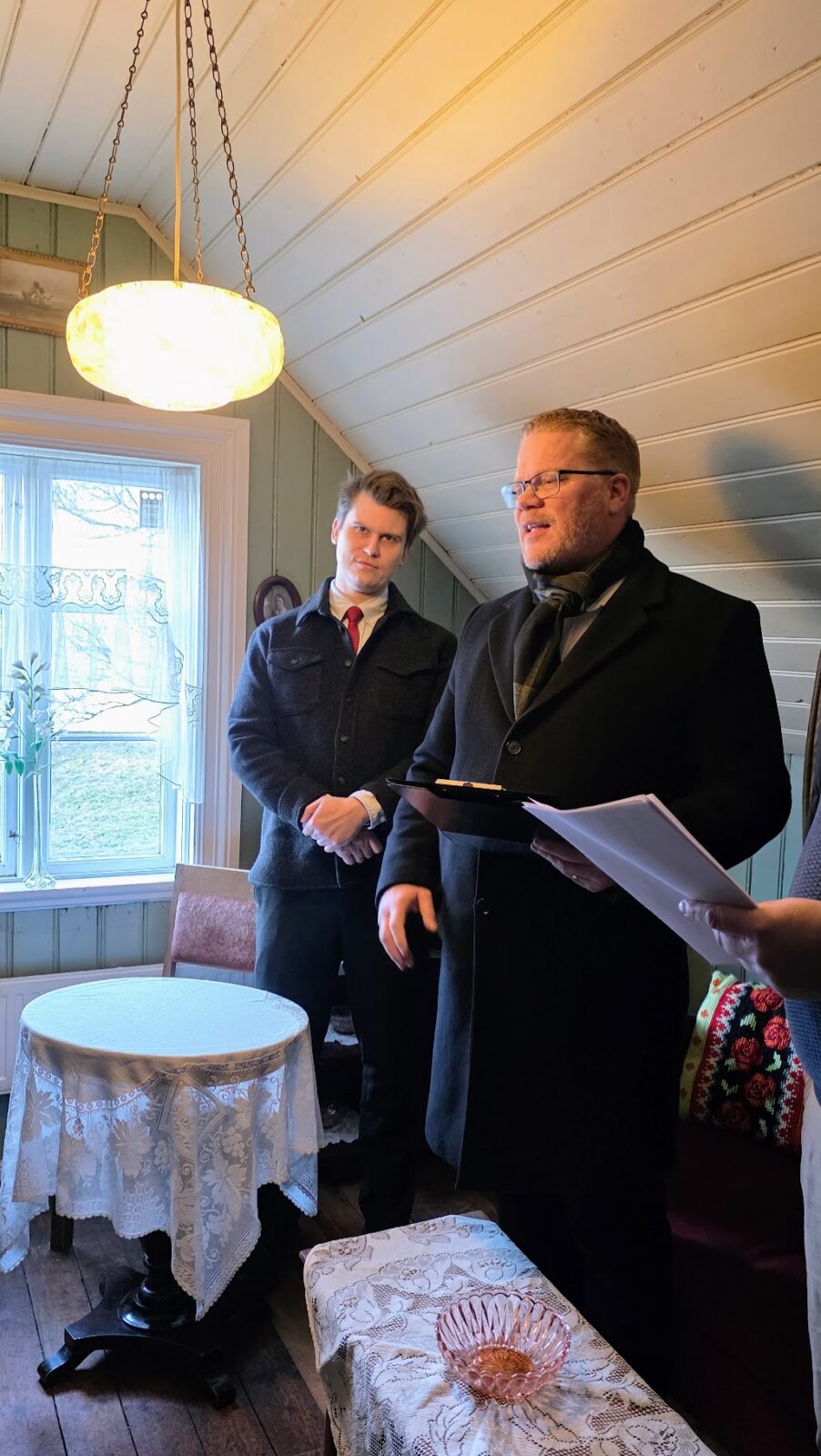
Jóhann Páll Jóhannsson, Minister of the Environment, Energy and Climate, has just approved the proposal from the town council of Hafnarfjörður to protect the West Town in Siggubær.
„The proposal demonstrates foresight, ambition and a grand vision in its approach to nurturing the older settlement, preserving its character, and giving pride of place to its interplay with the lava field and the spirit of the area,“ says the minister.
Mayor Valdimar Víðisson says the milestone is a major one for Hafnarfjörður. „This is a clear confirmation of our ambition to protect the older part of the town. The West Town is the heart of the town, shaped by 200 years of building history, the lava field and its people. With a conservation area in the town, we are setting a clear framework that protects the townscape but also supports sensible development and maintenance in close consultation with residents and stakeholders.“
The decision has a long history, dating back to 1998. The idea has evolved and been strengthened by working groups over the years and is now being put into practice. Numerous public meetings were held in connection with the Vesturbær local plan, discussions took place and presentations were given. During the development and notification period, the political landscape, as well as councils and committees, have changed – but there has always been a will to complete this important project. See report.
The conservation area therefore places no further demands on property owners. However, the conservation area can set out clear rules of the game to ensure that the environment, the built heritage and the history are passed on to future generations.
A conservation area does not tie the hands of property owners, forcing them to make changes to their properties by turning them back to the past. However, they must follow established rules and laws when it comes to maintenance, renovation or new builds. The same applies to other places that are not designated as conservation areas.
The protected area also serves to safeguard the landscape – often a particular cultural landscape.
The conservation area is bounded by Vesturgata to the south and west, Hraunbrún to Garðavegur, Garðavegur, Norðurbraut to Hraunhvammur, and eastwards along the row of houses on Reykjavíkurveg. 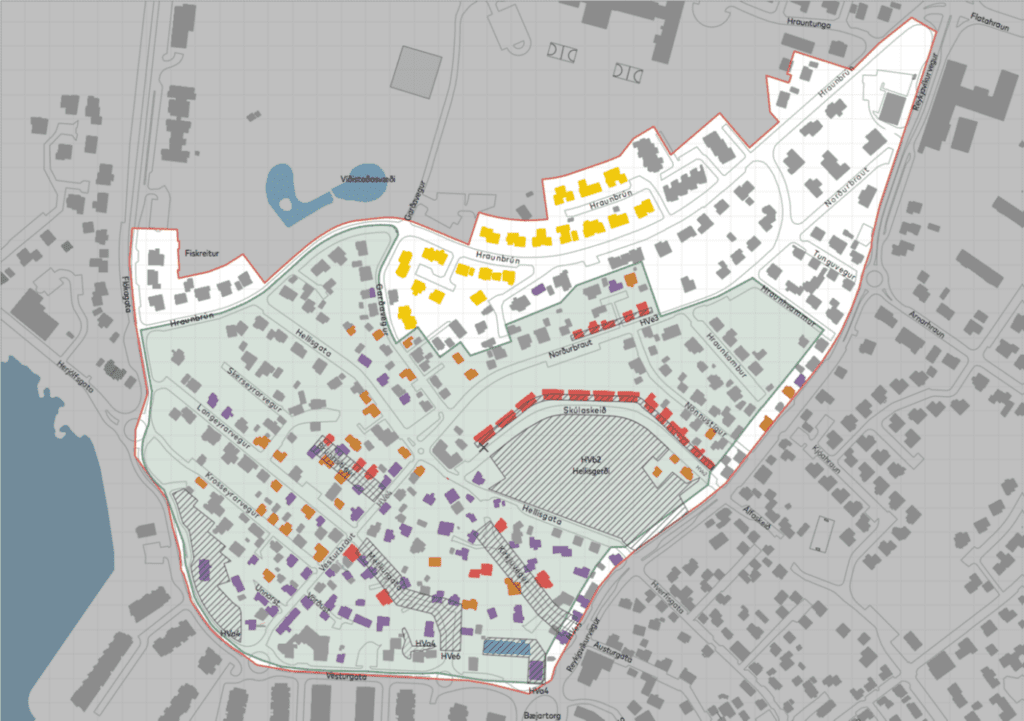 The boundaries of the conservation area follow older settlement and landscape features, but are not aligned with streets. On some streets, the conservation area extends to some of the houses on the street, such as on Gardarvegur. Also to houses and areas situated in between, such as on Norðurbraut towards Hraunbrún and at Hraunhvamm, where the area's boundary runs along the street and only extends to the properties on the south side of that street. Between Hraunkambsvegur and Hraunhvammsvegur, the focus is on protecting lava formations in an open area that have been characteristic of the neighbourhood.
The boundaries of the conservation area have therefore been drawn based on their conservation value, considering the whole and its surroundings, rather than specific streets. Beyond the area's boundaries are much more recent houses which have a different character to that which is now sought to be preserved.
This marks a significant milestone in the conservation of older buildings in this country, as the West Town of Hafnarfjörður has a building history of over 200 years. Its oldest core was shaped before the advent of planning and formal street construction. The neighbourhood is the oldest in Hafnarfjörður. Its history can be traced back to the 17th century. Notably, Vesturgata is home to the oldest and newest houses in the neighbourhood. The oldest house was built in 1803 and the newest in 2014.
The 90% of the built environment within the conservation area has a medium to high degree of conservation value. Furthermore, a fifth of the houses are already listed for their age, and a third of these are subject to consultation with the Icelandic Heritage Agency, in accordance with the Cultural Monuments Act. Within the area, there are also streets with a protected streetscape and defined neighbourhood protection under the Hafnarfjörður Master Plan. Furthermore, the Hellisgerði ornamental garden lies almost entirely within the boundaries of the conservation area. Hellisgerði is one of the oldest public parks in the country and an important recreational and cultural area in the town.
The West End of Hafnarfjörður is the fifteenth protected area in an urban setting in Iceland, as the proposal was developed in accordance with the advice of the Icelandic Heritage Agency and in parallel with the preparation of a detailed plan for the West End.
In 2015, the Althingi passed special legislation on the protection of built-up areas, the aim of which is to promote the protection and preservation of settlements of historical value. The law applies to settlements within urban areas and settlement cores outside urban areas that have merit in terms of their character, cultural history or artistic value. In addition to the West Town of Hafnarfjörður, there are 14 such areas throughout the country.