
Monday Crafts at Hafnarfjörður Library
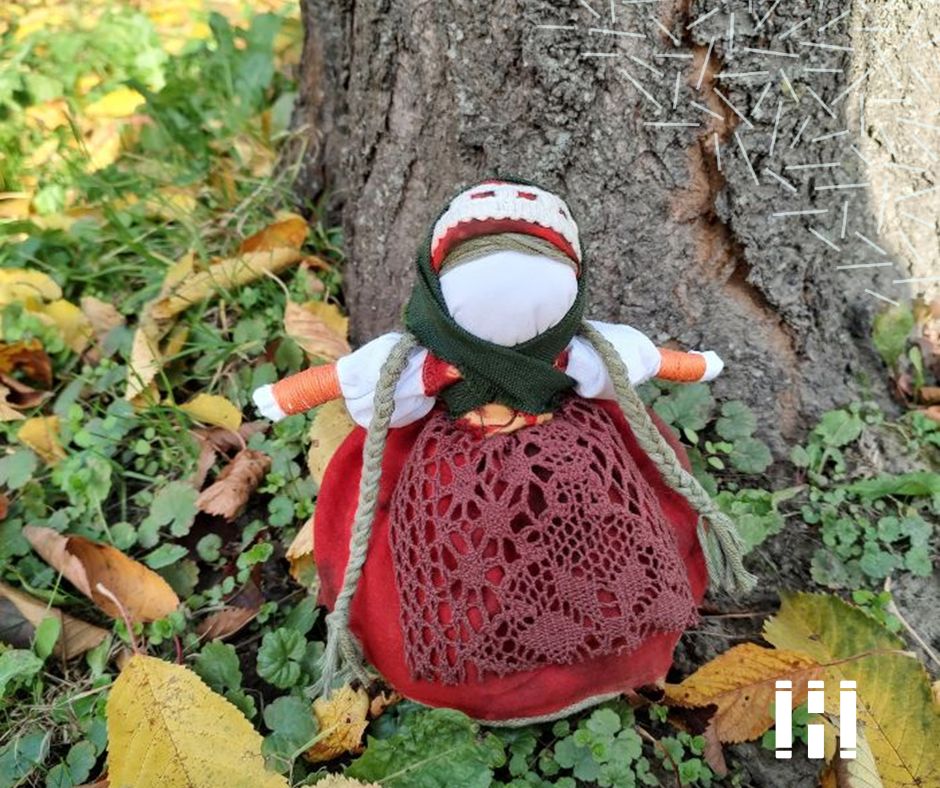
Craft time in the art studio at the Learning Centre every Monday at your library! All materials provided, everyone in a good mood, and endless fun. Come along…
Craft time in the art studio at the Learning Centre every Monday at your library! All materials provided, everyone in a good mood, and endless fun. Come along…
Practise speaking Icelandic with volunteers from the Red Cross at Hafnarfjörður Library, Strandgata 28. Tuesdays from 13:00 to 14:30. Starts on 8 September…
Historical costumes, cosplay, armour-making, prop-making – or just designing and creating your own clothing – we have come together…
The Bridge Builders invite parents and other interested parties to an open house at the Hafnarfjörður Library every Wednesday. There will be an opportunity to ask questions…
Children are born, every day, all the time. The couple Ísak Hilmarsson and Gréta María Birgisdóttir have collected stories of…
Baby massage is a simple way to support well-being and bonding. Did you know that with simple strokes and targeted…
Memmm's Open Nursery invites you to play at Hafnarfjörður Library every Monday from 12:00-14:00 and Thursday from 10:00-12:00. No registration is required and…
Craft time in the art studio at the Learning Centre every Monday at your library! All materials provided, everyone in a good mood, and endless fun. Come along…
Historical costumes, cosplay, armour-making, prop-making – or just designing and creating your own clothing – we have come together…
Practise speaking Icelandic with volunteers from the Red Cross at Hafnarfjörður Library, Strandgata 28. Tuesdays from 13:00 to 14:30. Starts on 8 September…

