
Week of Friendship and Kindness in Hafnarfjörður's primary schools
At the moment, Friendship Week is taking place in the primary schools of Hafnarfjörður, which each school organises in its own unique way. Friendship Week was introduced in connection with the Anti-Bullying Day on 8 November each year, which is dedicated to the fight against bullying.
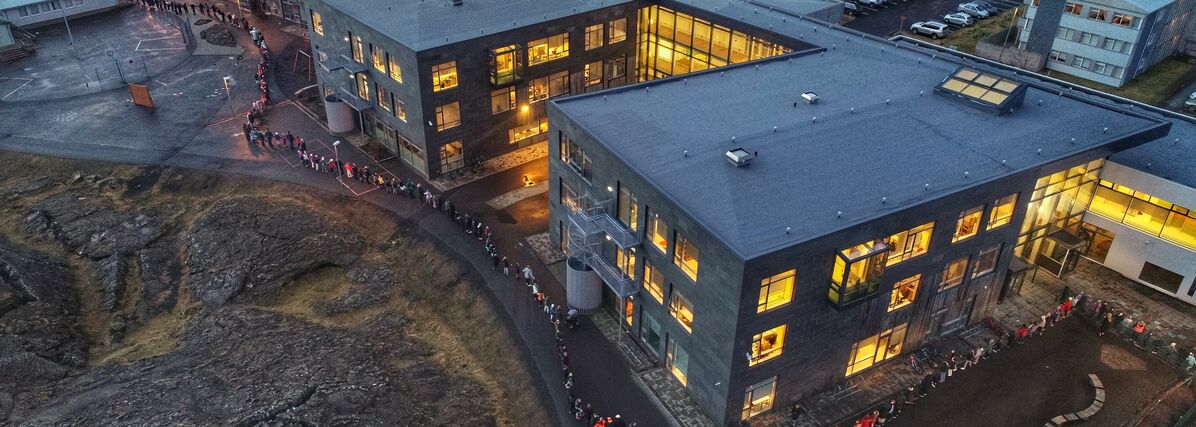
During Friendship Week, empathy and friendship are at the heart of school life.
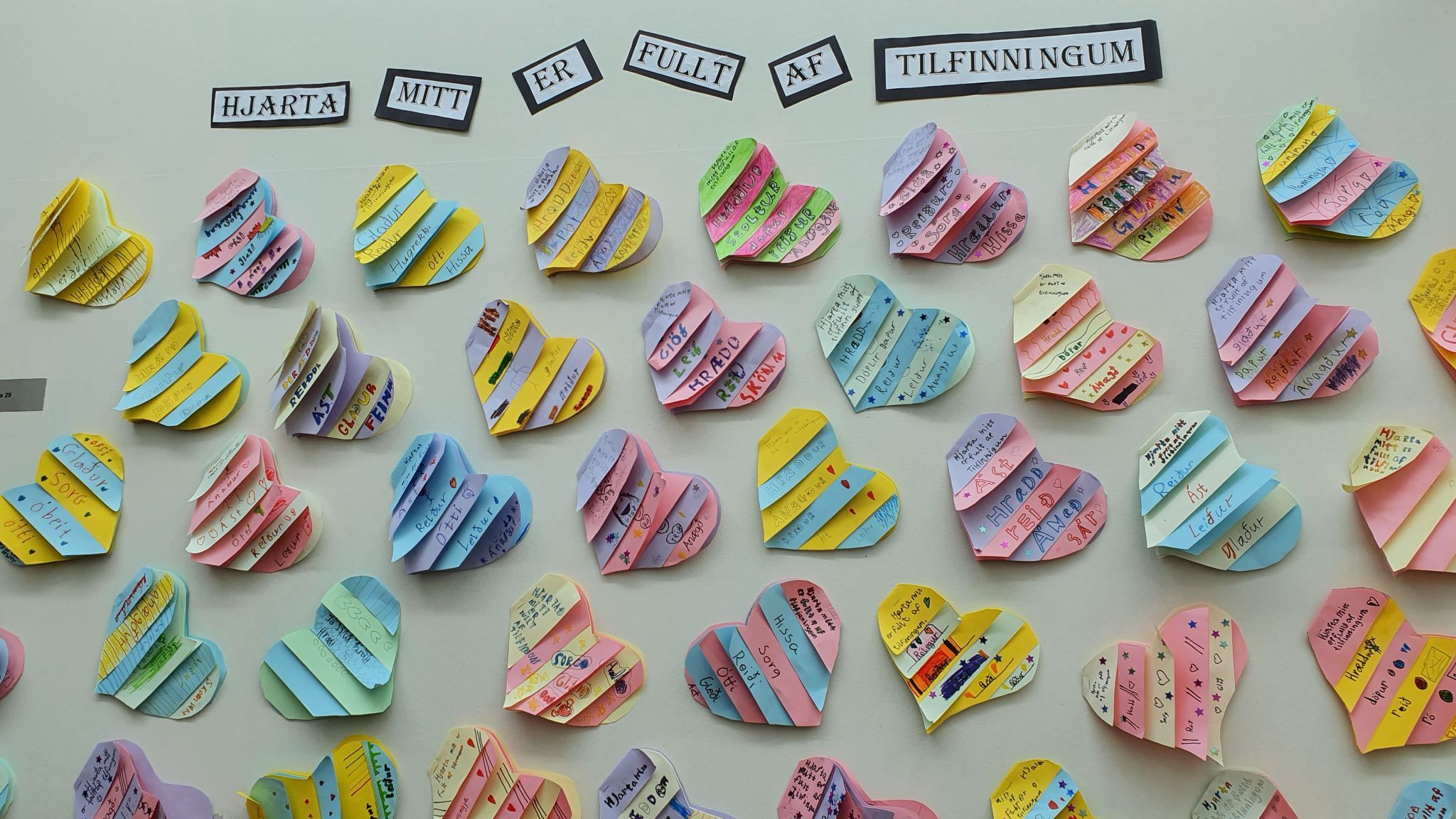
These days, Friendship Week is taking place in the primary schools of Hafnarfjörður, which each school organises in its own unique way. Friendship Week was introduced in connection with the Anti-Bullying Day on 8 November each year, which is dedicated to the fight against bullying. On this day, positive relationships are prioritised and the school community is encouraged to unite against bullying. For several years, primary schools in Hafnarfjörður have focused on friendship for a whole week around the day, which was first held in 2011. In common with the schools' Friendship Week, the schools have dedicated this week to friendship and empathy, and the school activities are tailored to projects that call for cooperation and collaboration, such as solving puzzles and other fun tasks.
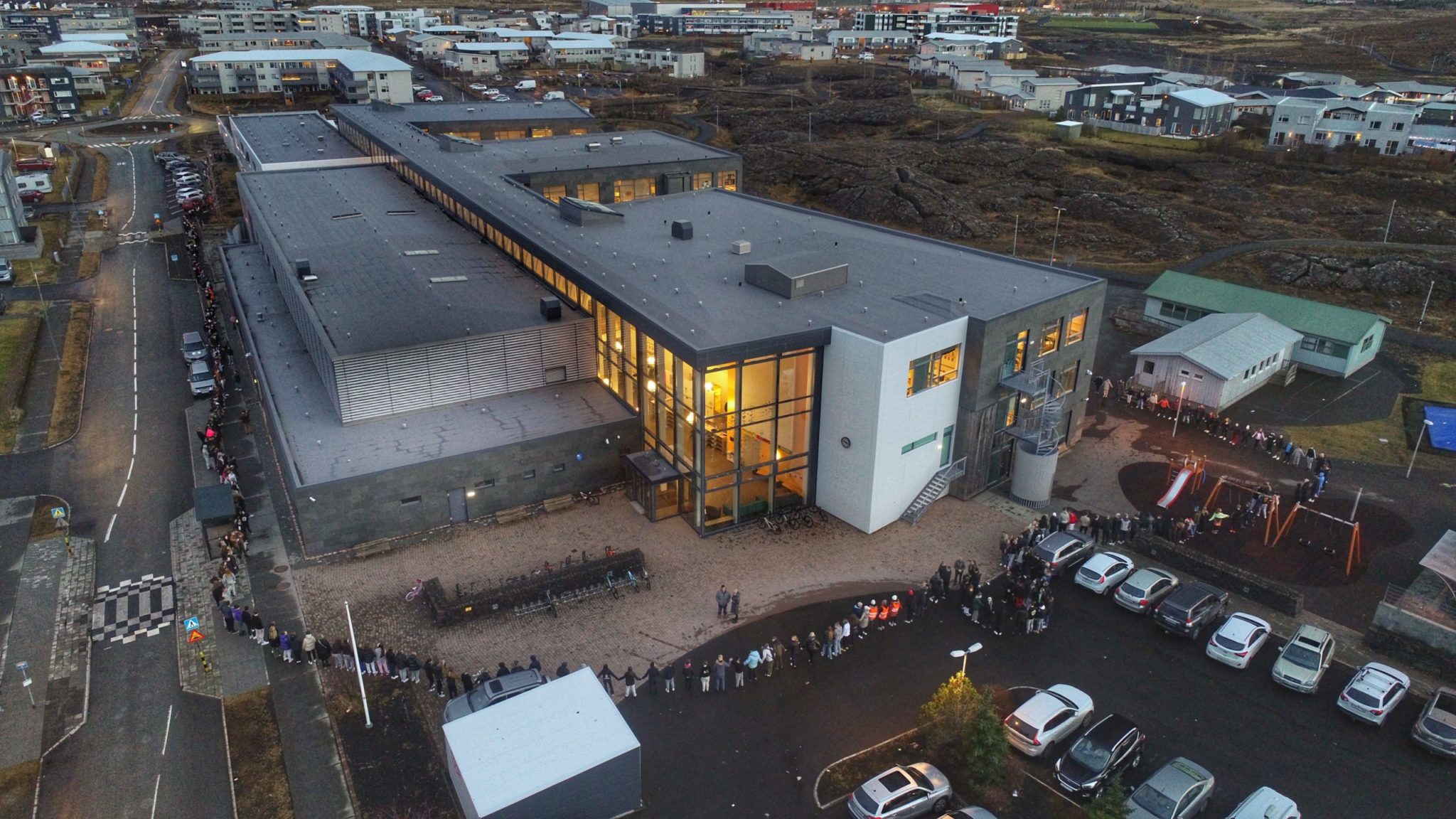
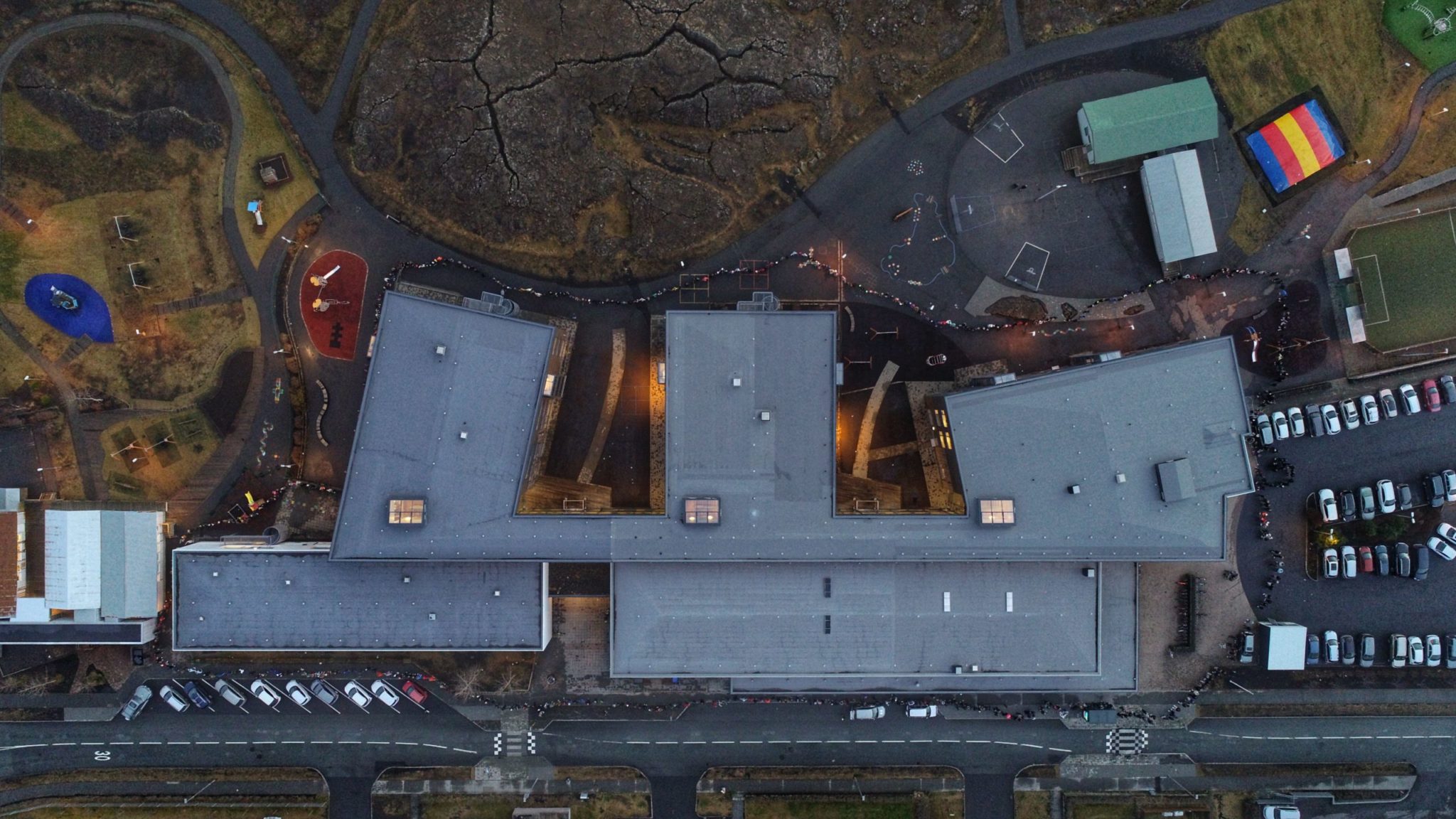
A loving hug around Hraunvallaskóli
The Hraunvallaskóli school community is celebrating and raising awareness of Anti-Bullying Day by giving their school a loving hug. So, early this morning, pupils, staff and other members of the school community gathered to form a human chain around the school. With this symbolic act, the school community wishes to show its school, and the wider community, affection and warmth. At the same time, it serves as a reminder of the importance of friendship and positive relationships.
A week of respect, care and love
As part of Friendship Week, there are often friendship games where students of all ages work together in groups to solve puzzles and complete tasks at various stations. The stations, designed and organised by the students themselves, activities include playing Olsen Olsen, Ludo and Yatzy, having a relaxation session, getting a lesson on how to tell the time and how to tie shoelaces, playing Snú-Snú and Tetris, finding synonyms in Icelandic and Danish, and decorating leaves on a friendship tree, to name but a few. The Friendship Games are intended as a fun and enjoyable change of pace from the school routine, allowing pupils to get to know each other outside of the classroom and across year groups. The Friendship Games also serve to show that everyone has their own strengths and should be given the opportunity to enjoy themselves on their own terms. The older pupils look after the younger ones, guiding them and showing them respect, care and affection. A further benefit of the Friendship Games is that staff also get the opportunity to get to know all the pupils in the school, not just those in their own year groups.