
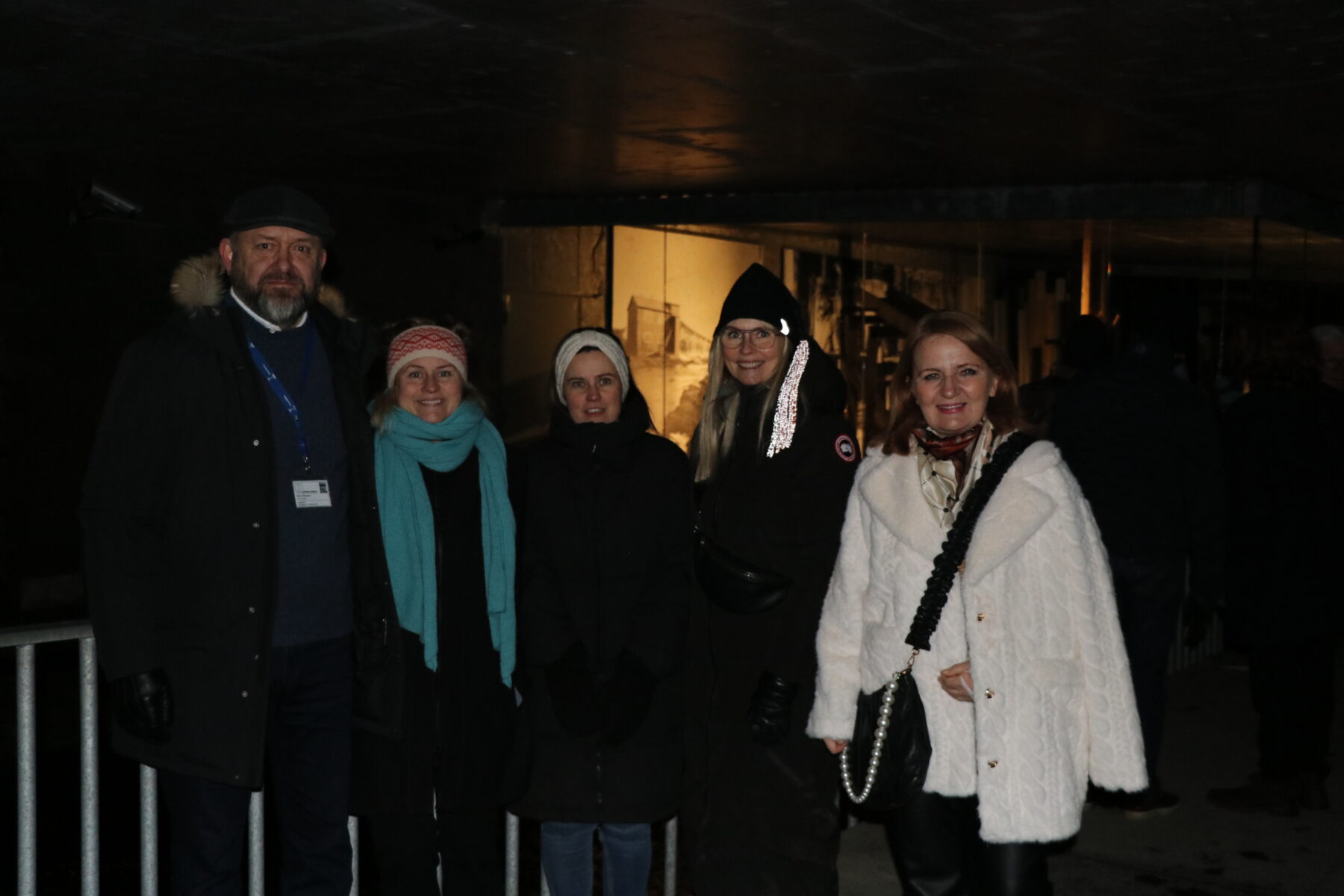
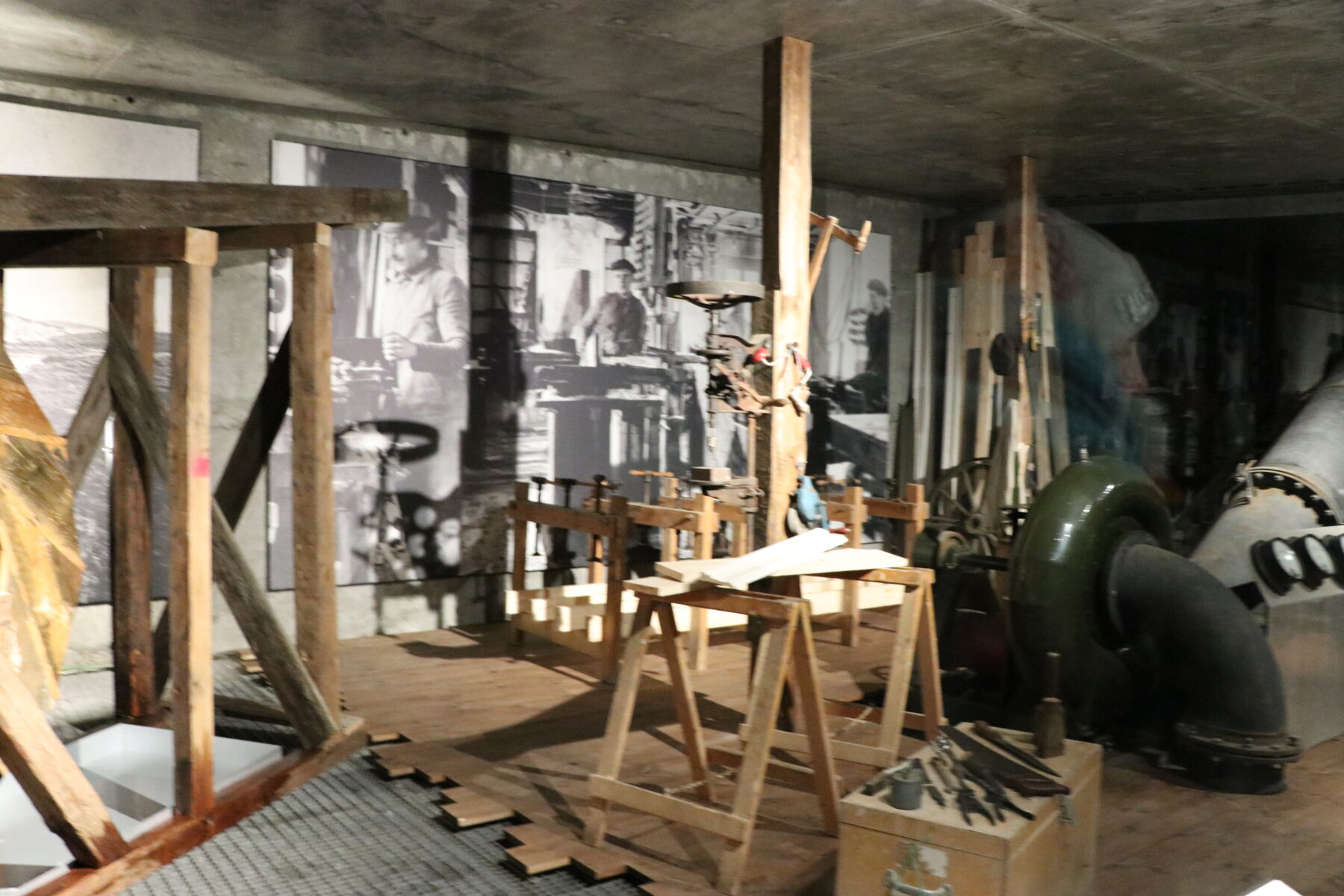

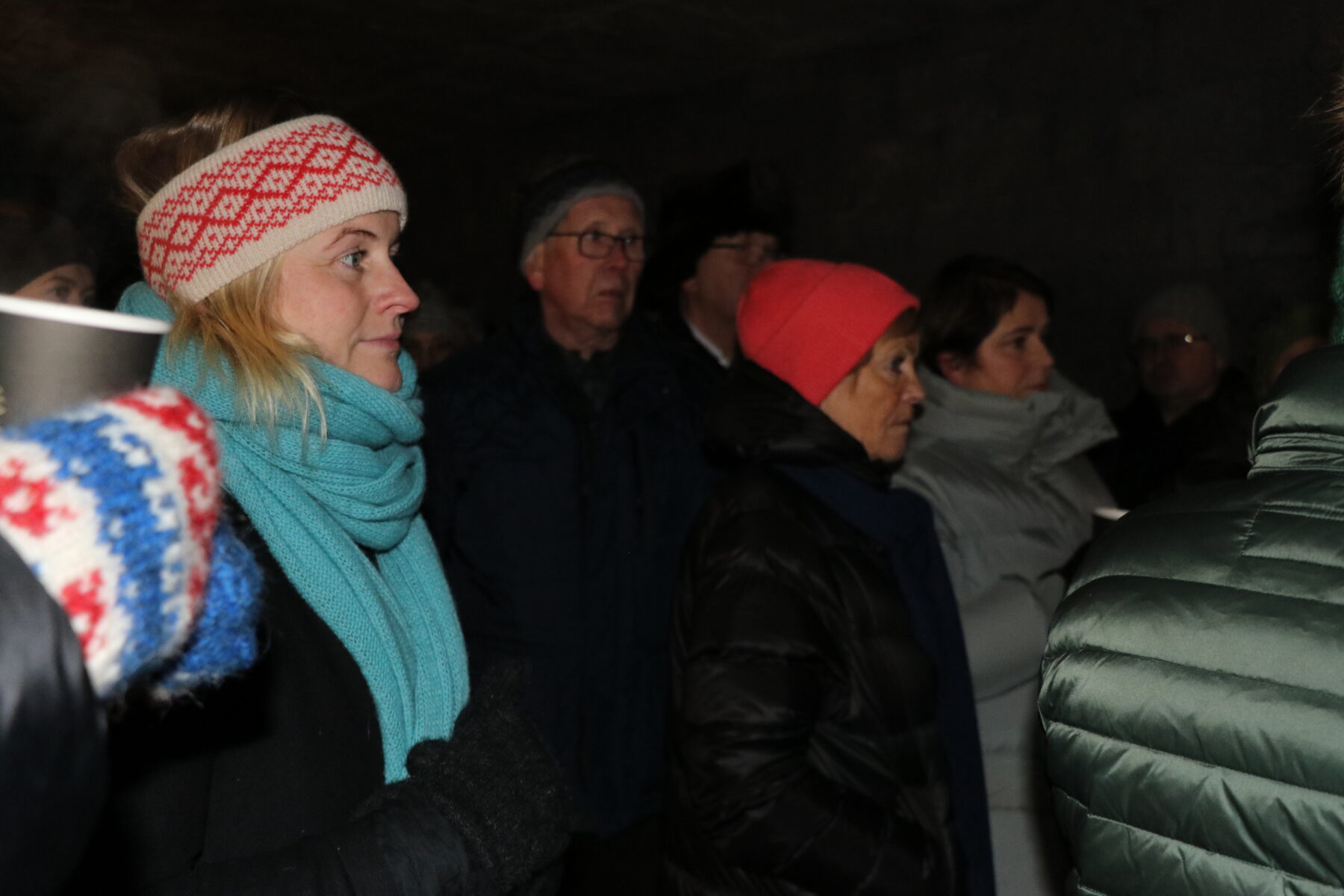
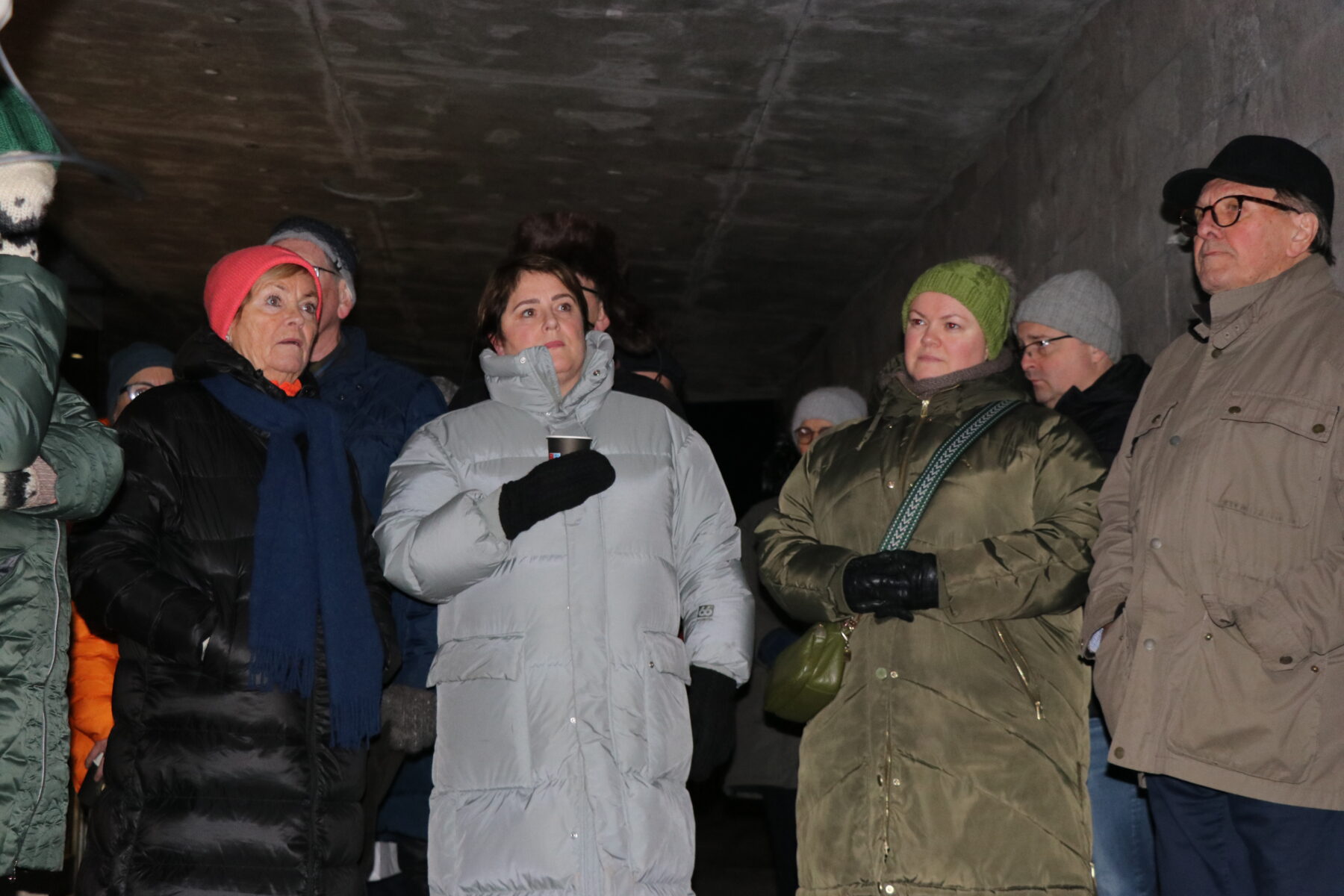
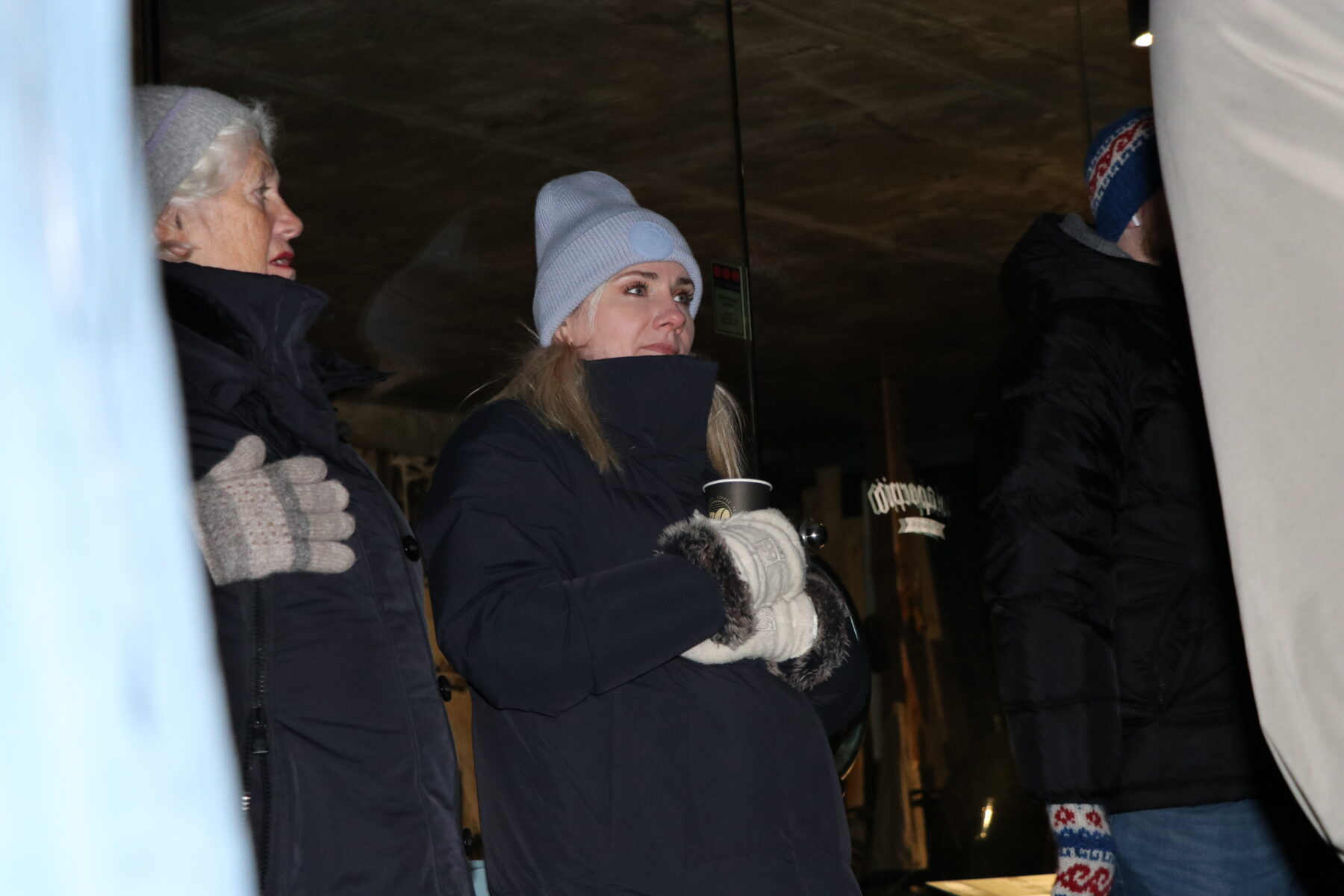
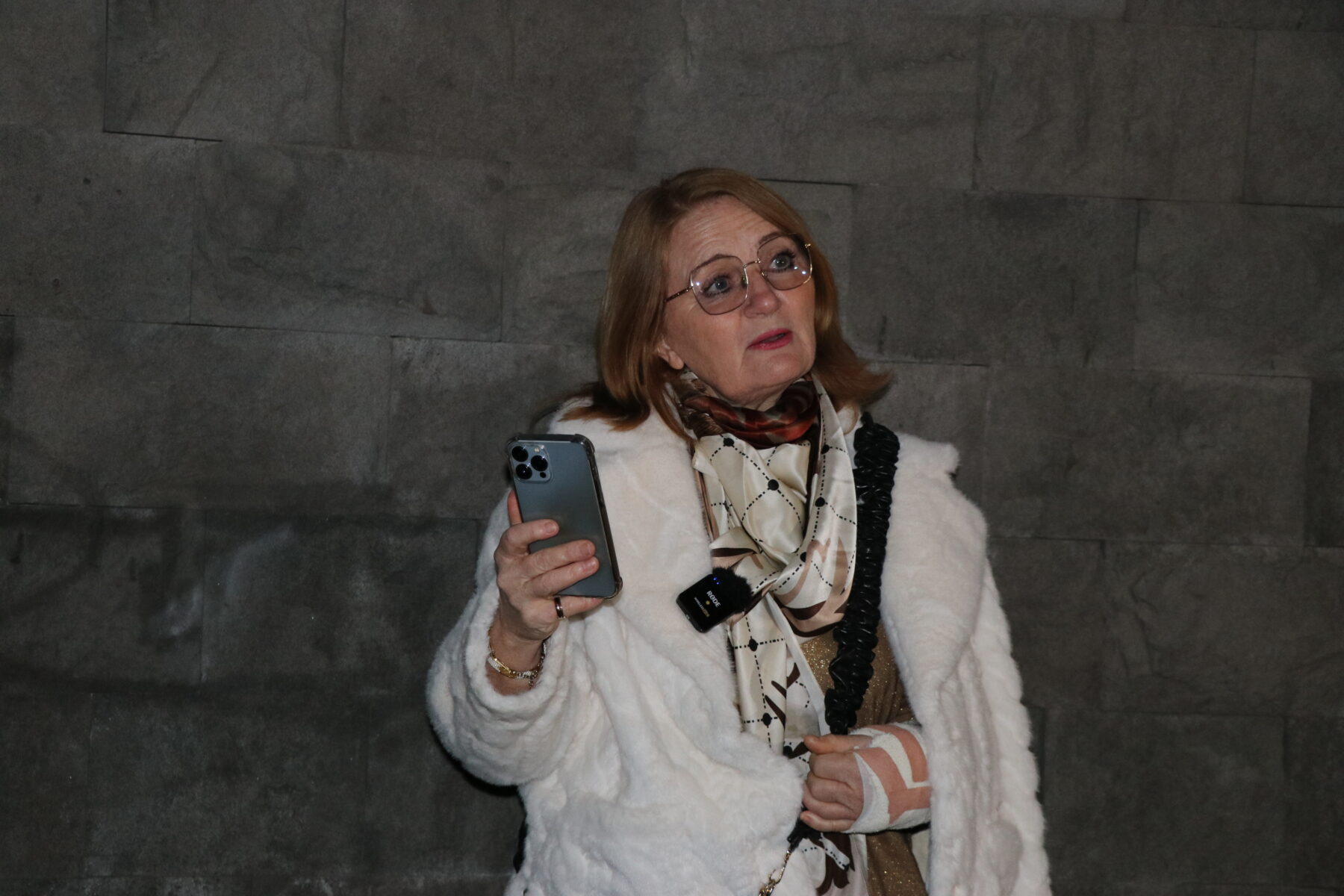
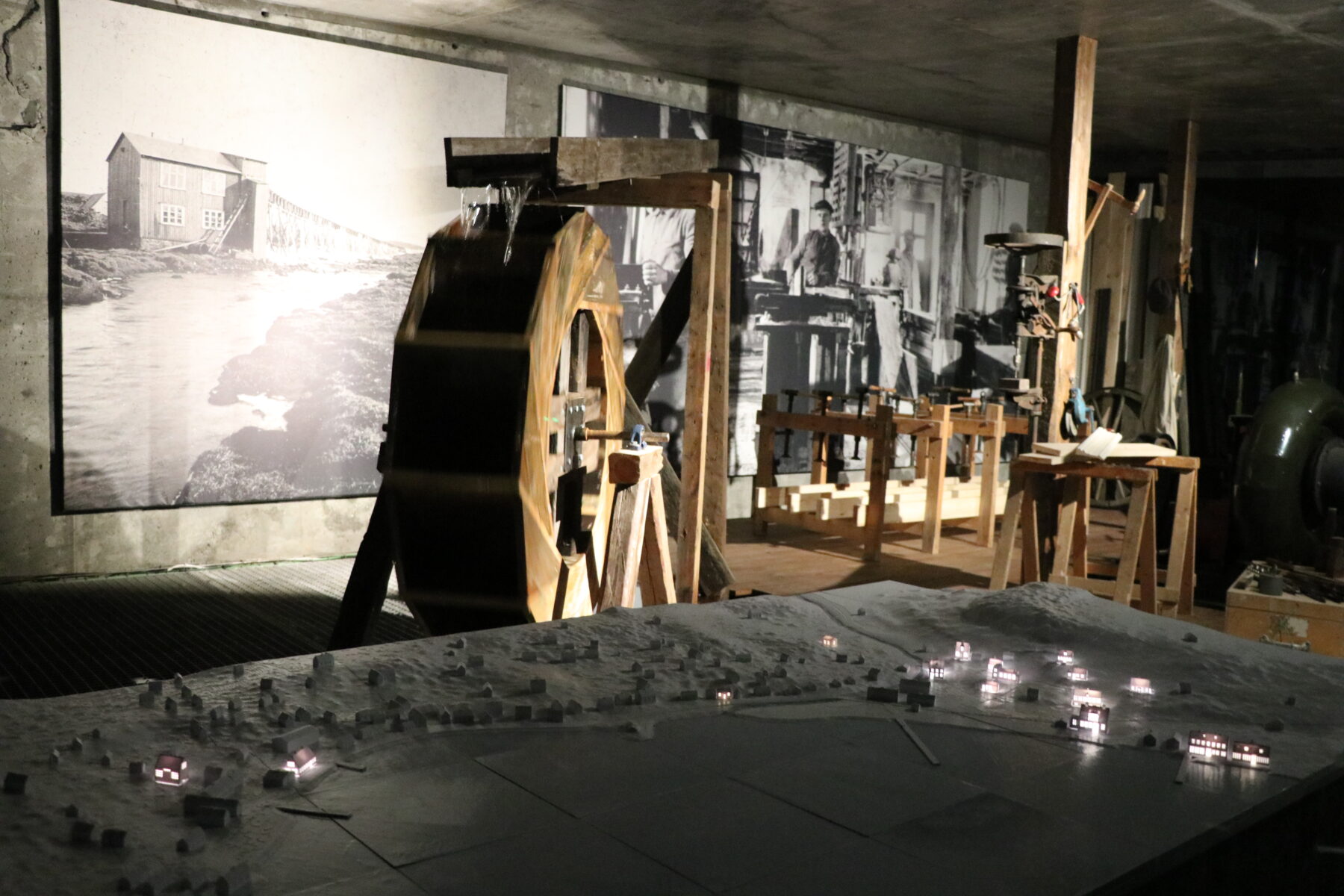
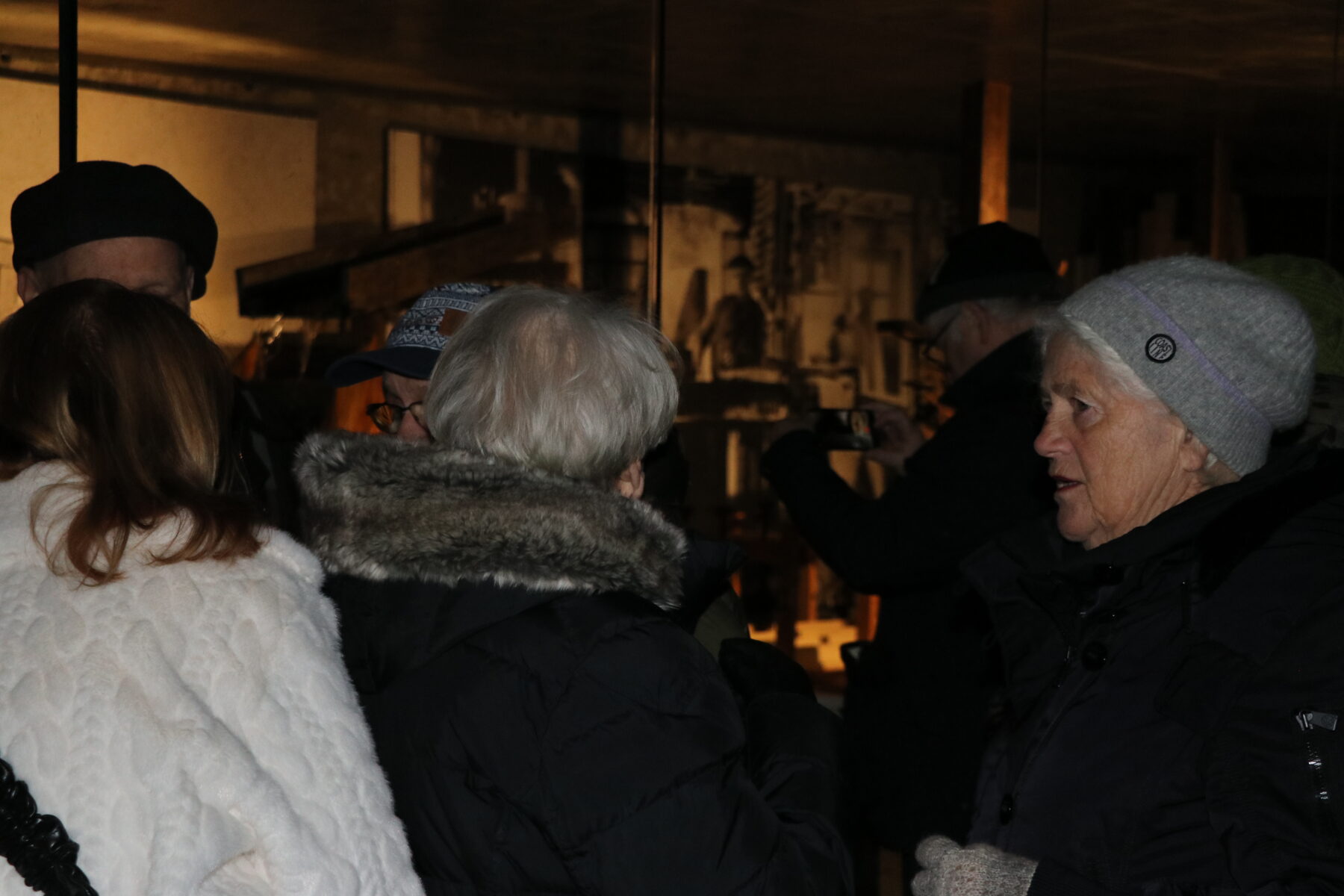
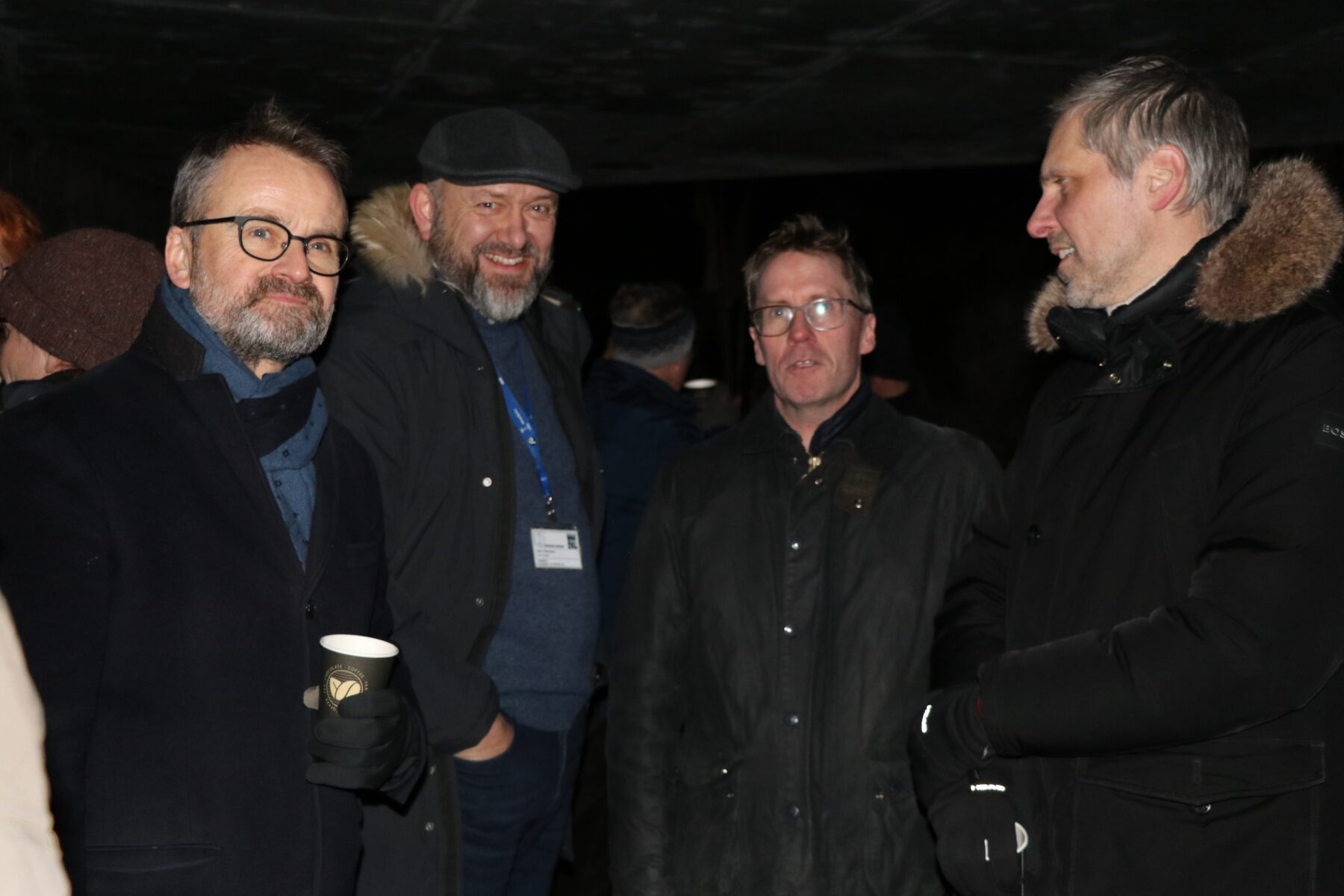
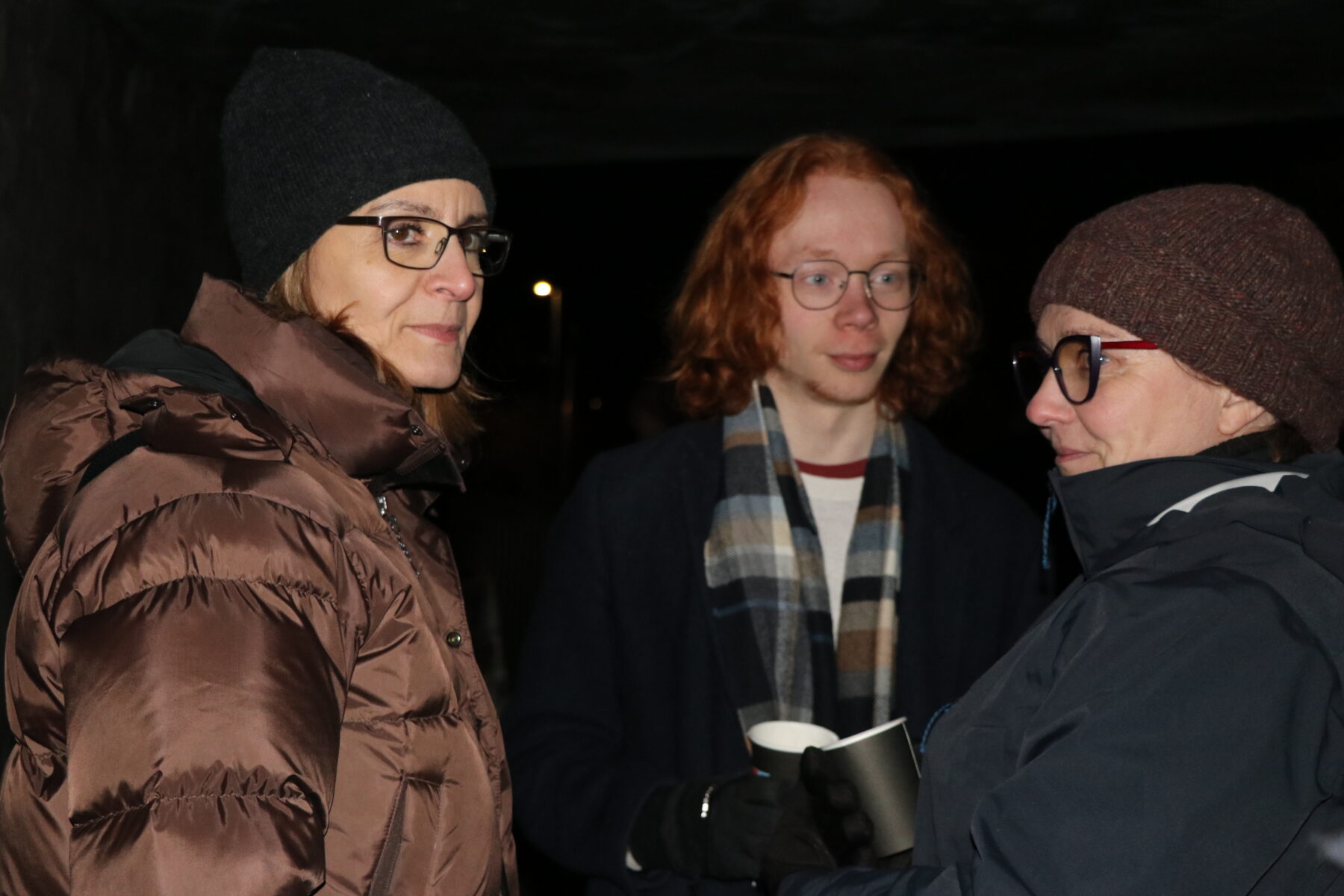
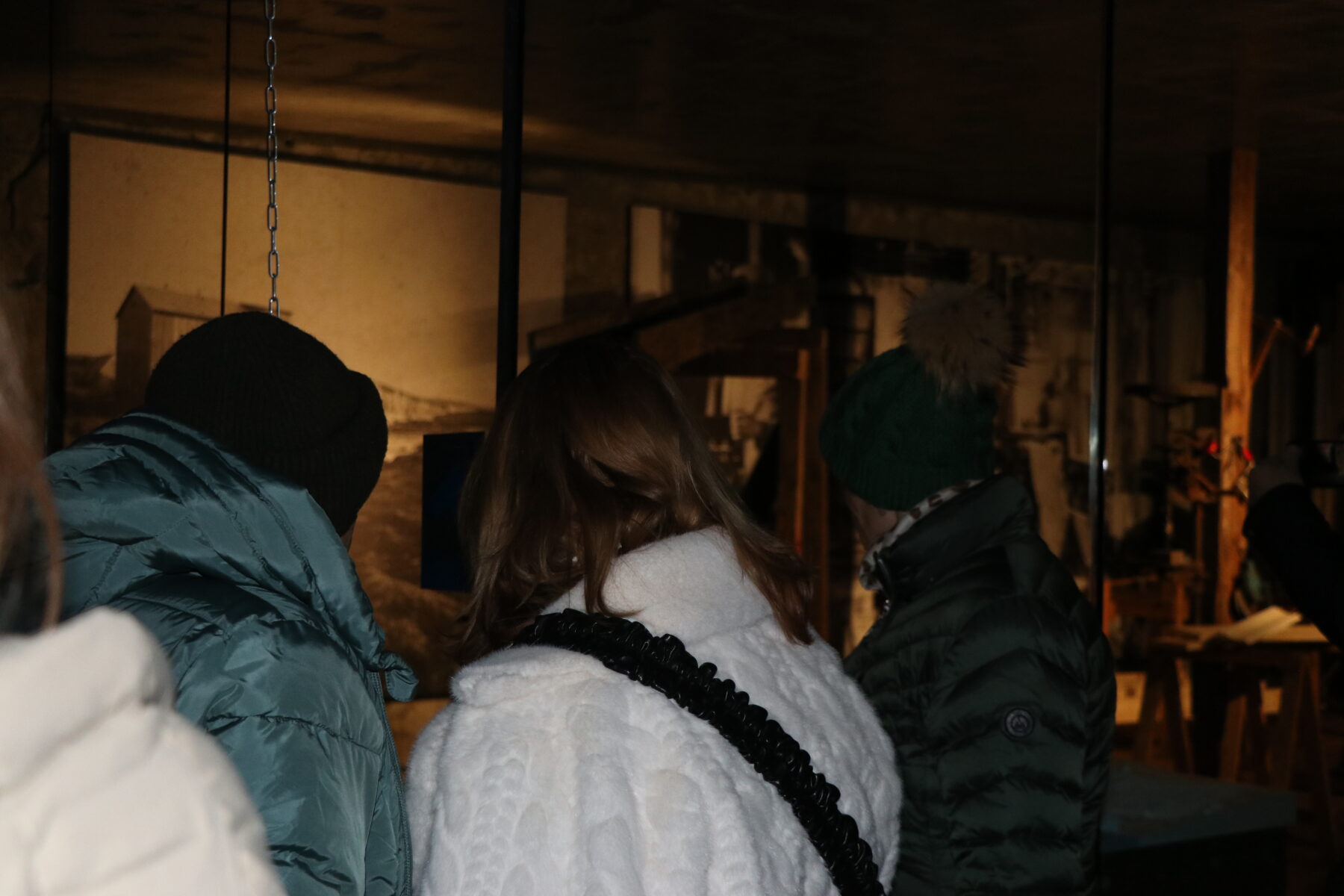
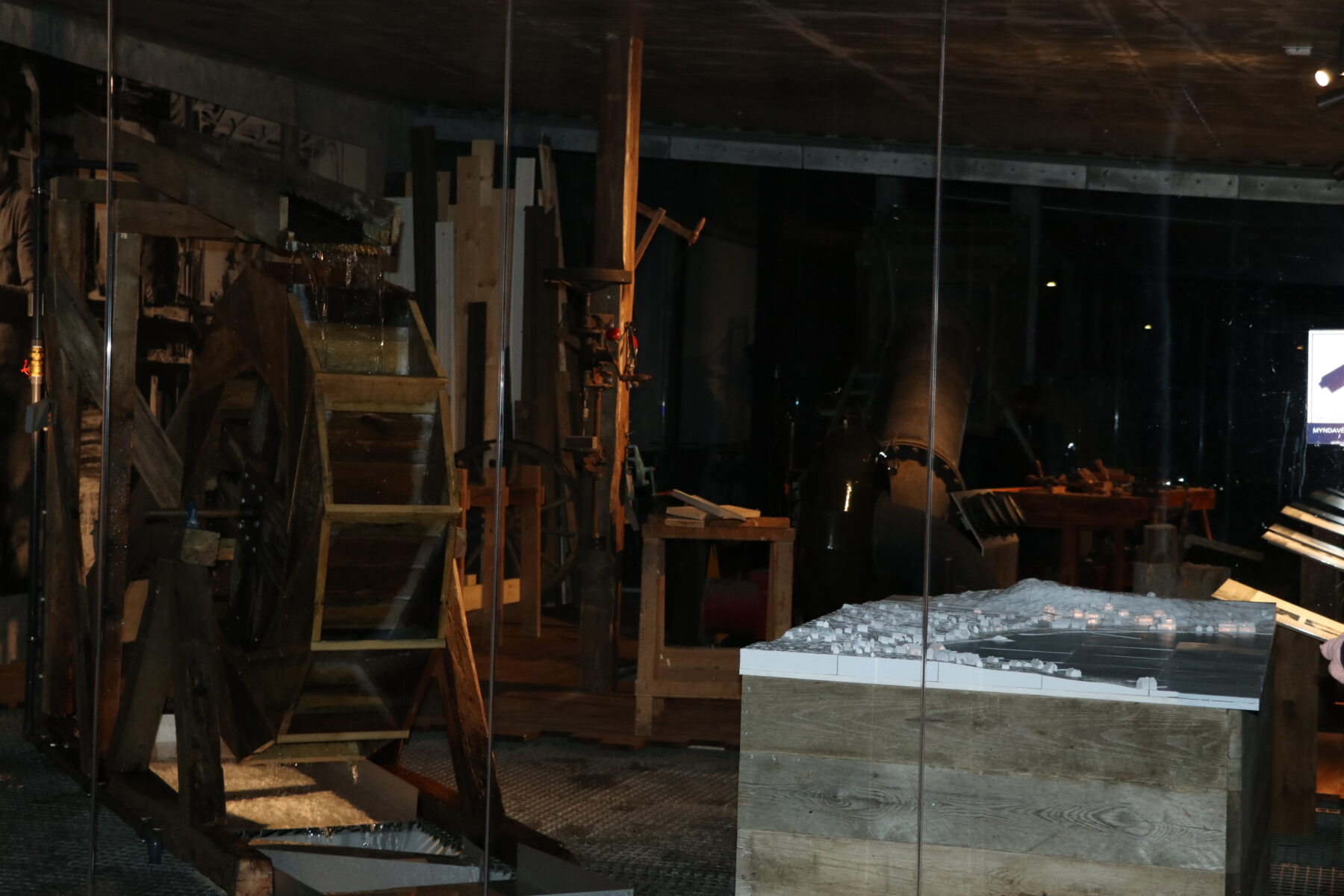
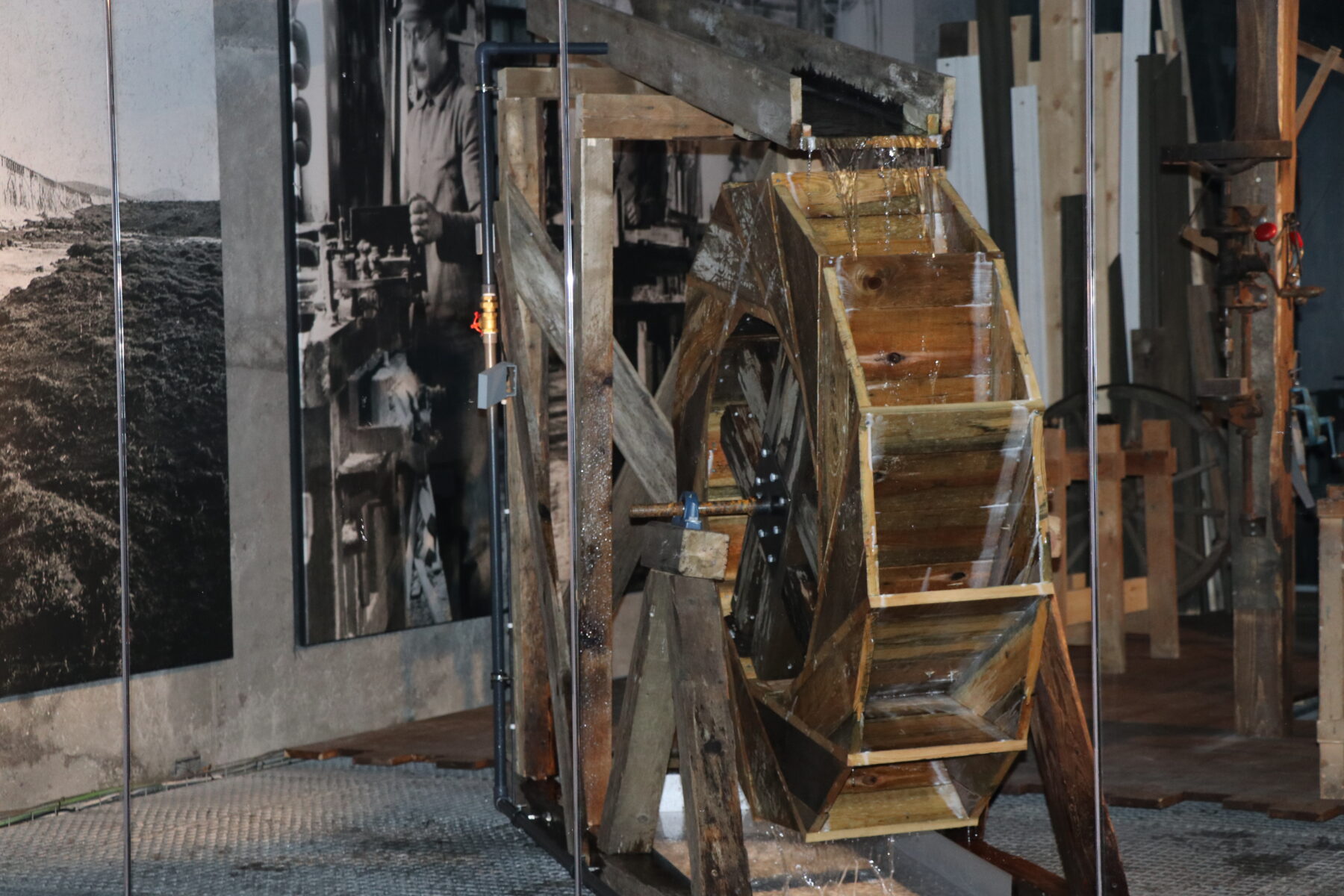
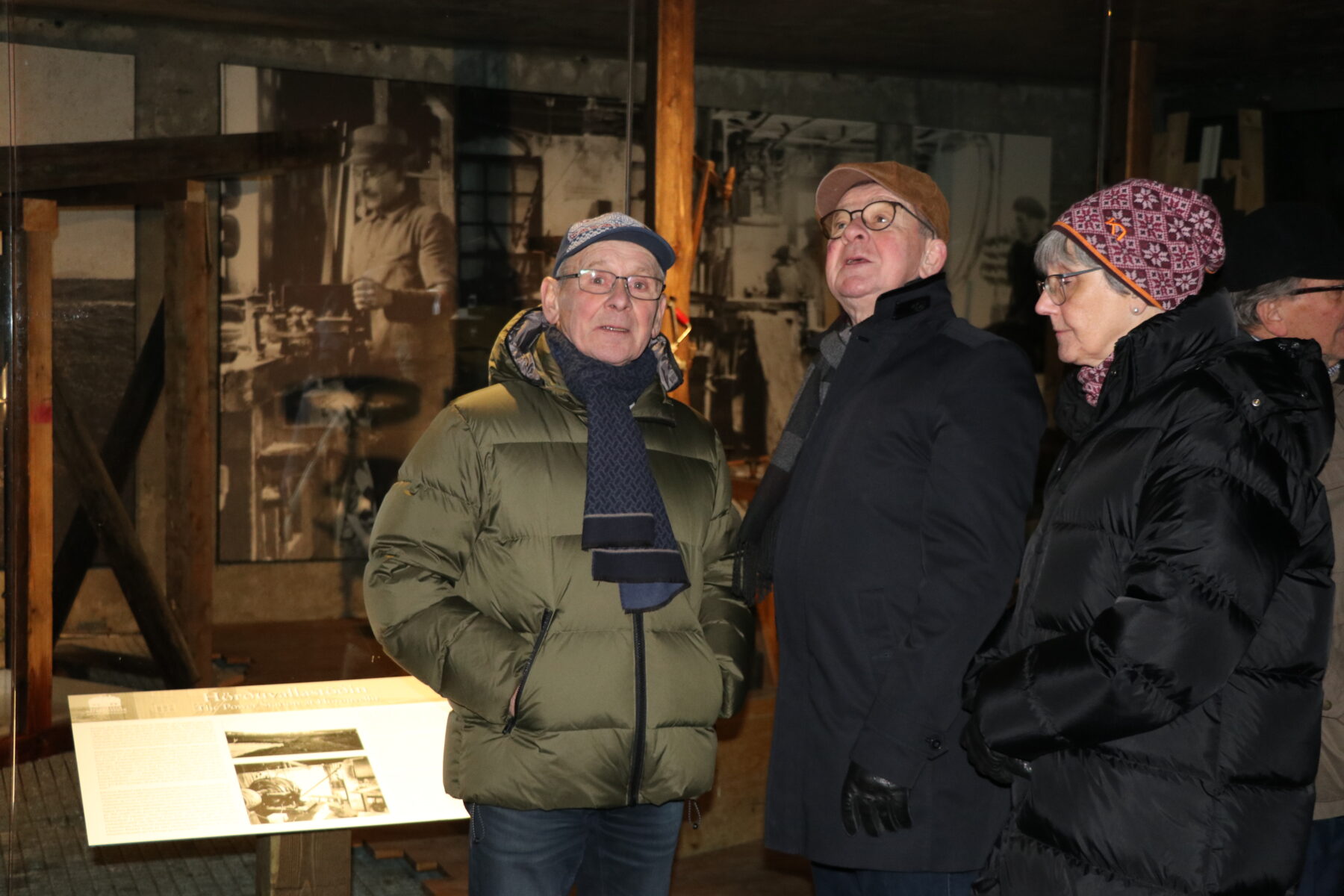
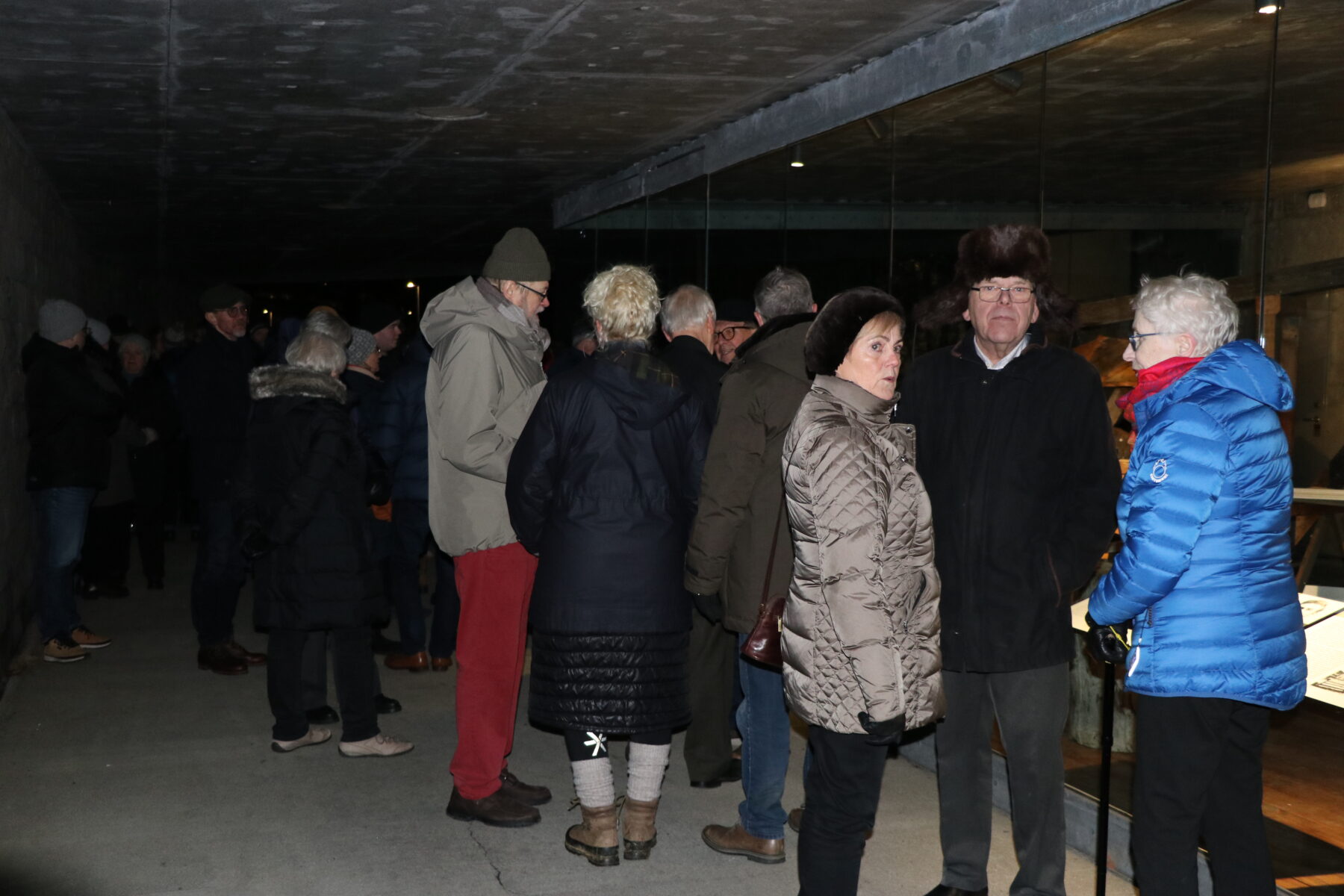
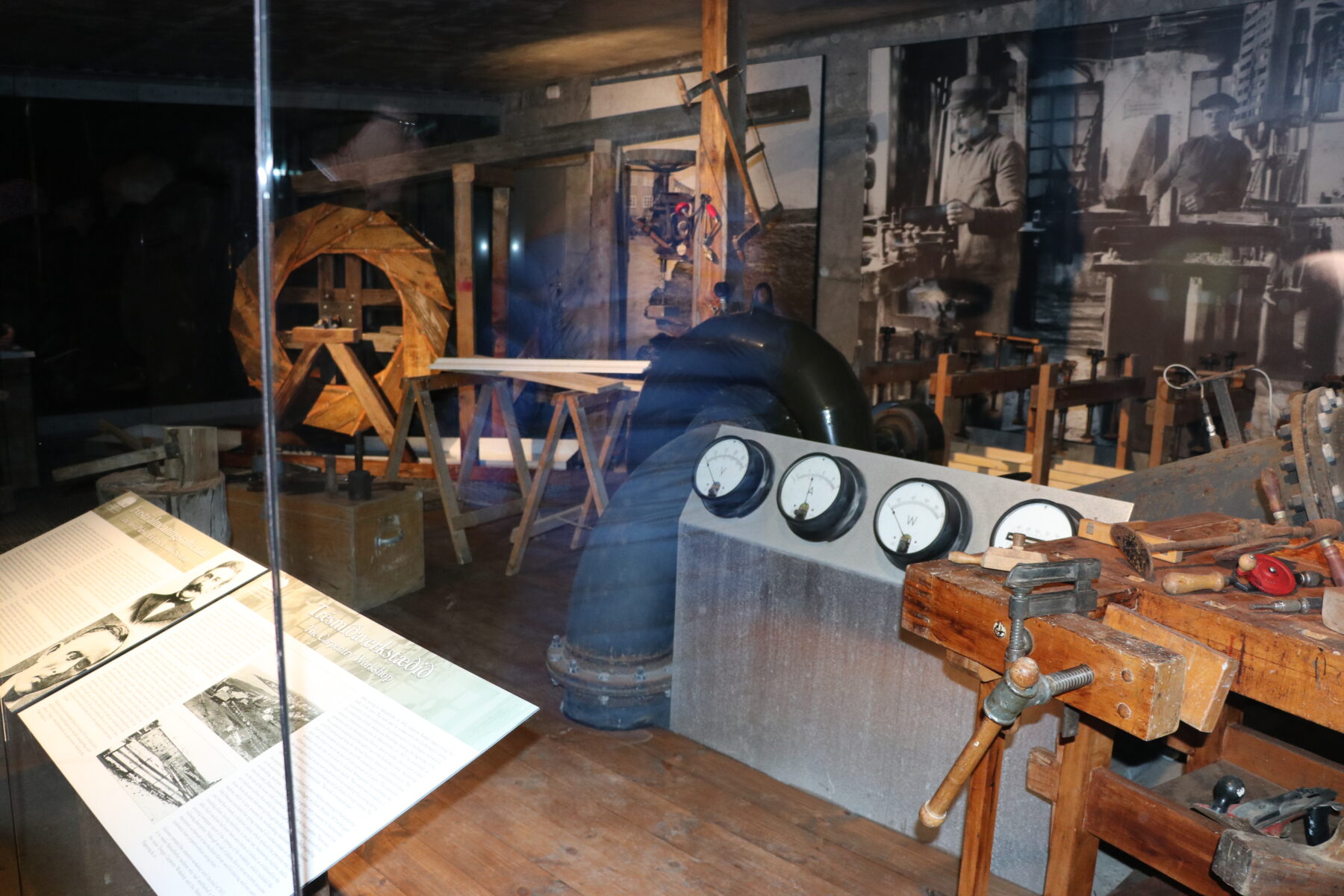
Nearly seventy people had gathered in the underpass at Hörðuvellir on Friday afternoon when the Hafnarfjörður Folk Museum opened its exhibition, 'Köldu ljósin'. The exhibition is here to stay and is open 24 hours a day, every day of the week, and will remain so indefinitely.
Nearly seventy people had gathered in the underpass at Hörðuvellir on Friday afternoon when the Hafnarfjörður Folk Museum opened its exhibition, 'Köldu ljósin'. The exhibition is here to stay and is open 24 hours a day, every day of the week, and will remain so indefinitely.
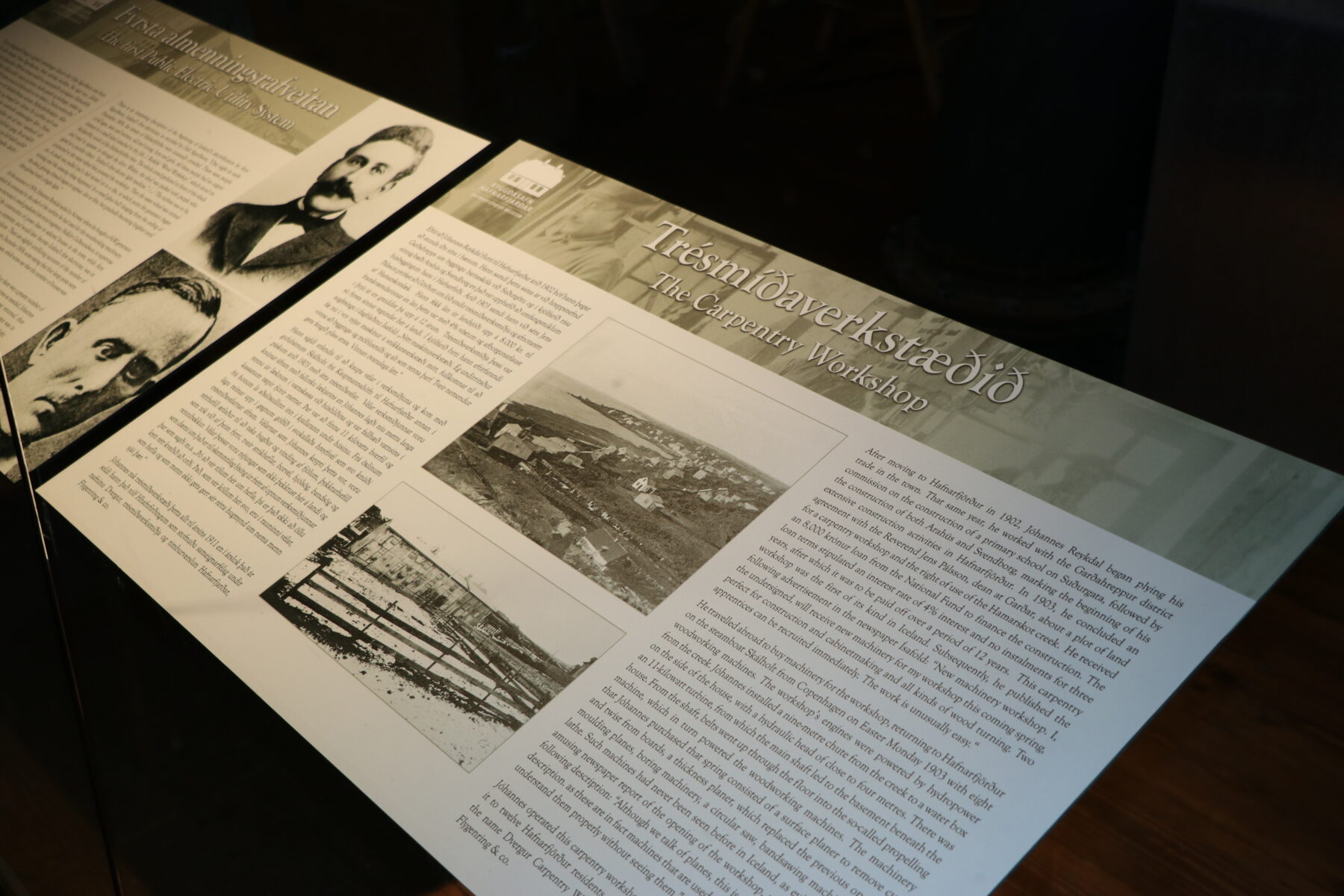
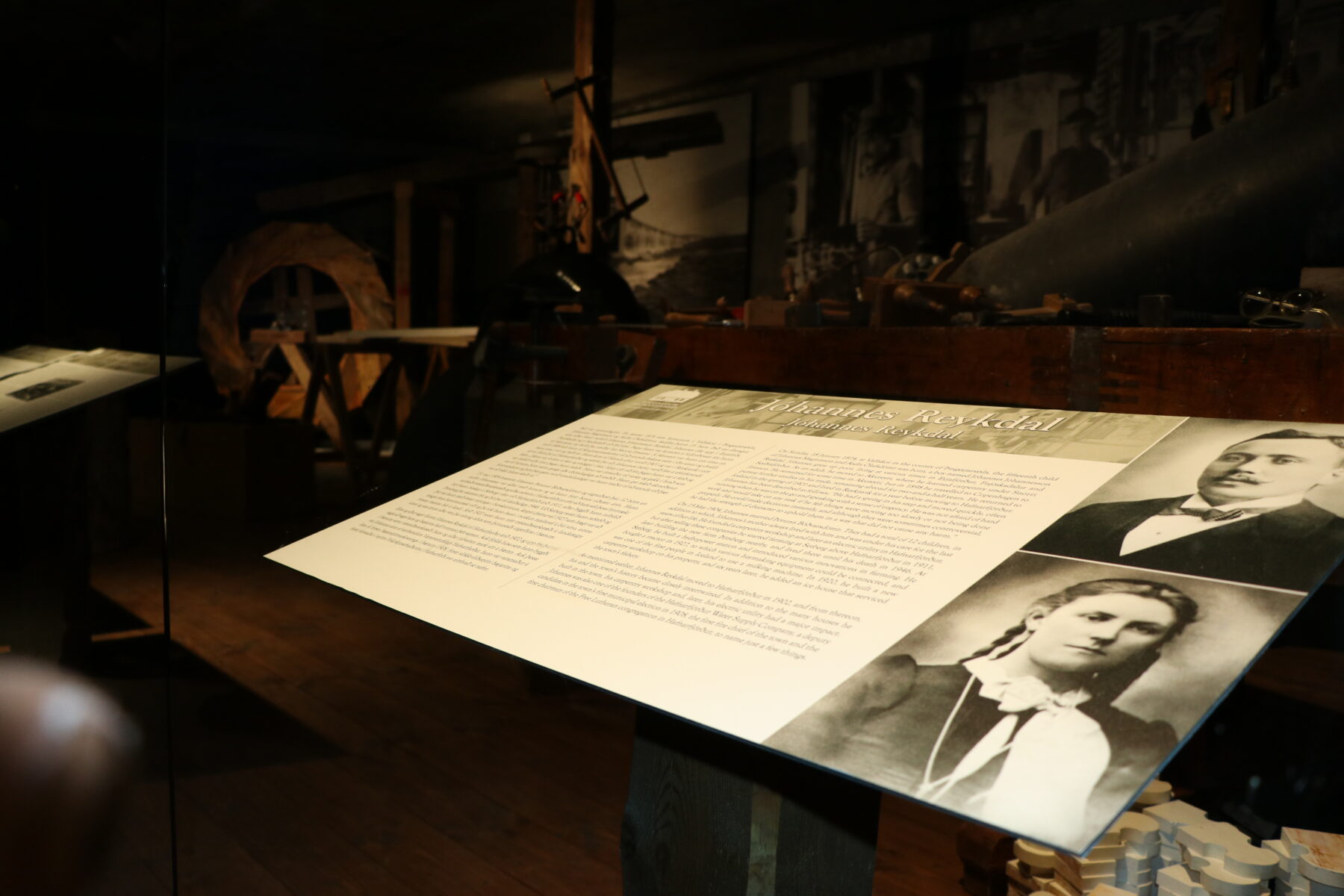
„The exhibition is dedicated to the work of Jóhannes Reykdal, who was truly one of those who left his mark on Icelandic history and the history of Hafnarfjörður with his creative thinking and drive,“ said Mayor Rósa Guðbjartsdóttir at the opening, as a statue of Jóhannes stands by the Stream – just above the exhibition.
She spoke of how Jónas Reykdal was best known for being a pioneer in electrification in Iceland, but was also known in Hafnarfjörður for many other things and for having paved the way in so many ways. He was born in 1874, and 150 years had passed since his birth.
„A father of 12 children, owner of a carpentry workshop and later an electricity supply company in Hafnarfjörður, and after selling his businesses he began farming at Setberg above Hafnarfjörður in 1911, where he applied various innovations to the farm work,“ said Rósa.
„At Setberg, he of course erected his own electricity generator, bought a tractor to which various hay-making implements could be attached, and then he put a milking machine to use on his farm, one of the first men in the country to do so.“
In 1920, Johannes built a new carpentry workshop on his estate, and six years later an icehouse was also erected there to serve the town's fishing industry. „It is therefore safe to say that the history of Jóhannes and the town are closely intertwined. In addition to the numerous houses he built in the town, his sawmill and, later, the electricity company left their mark on the town,“ said Rósa. She then traced his story further:
Rósa said it was safe to say that the dream of an exhibition in this historic location has finally become a reality. „The exhibition is ambitious and a fantastic addition to the exhibition halls and venues of the Hafnarfjörður Museum of Local History, which until today were seven, now eight with this new exhibition. The importance of these exhibitions by the Folk Museum is undeniable for the documentation of Hafnarfjörður's history and in the journey of passing on history in a visible and engaging way from one generation to the next. “My best thanks to all those who have helped with the making and installation," she said.
„I encourage you to come here as often as possible and bring guests with you. I also encourage you to visit the Christmas Village during Advent, Hellisgerði, and take a moment to enjoy all that the Christmas town has to offer,“ she said, encouraging those present to enjoy the Advent season in Hafnarfjörður.