
Children's well-being in Hafnarfjörður
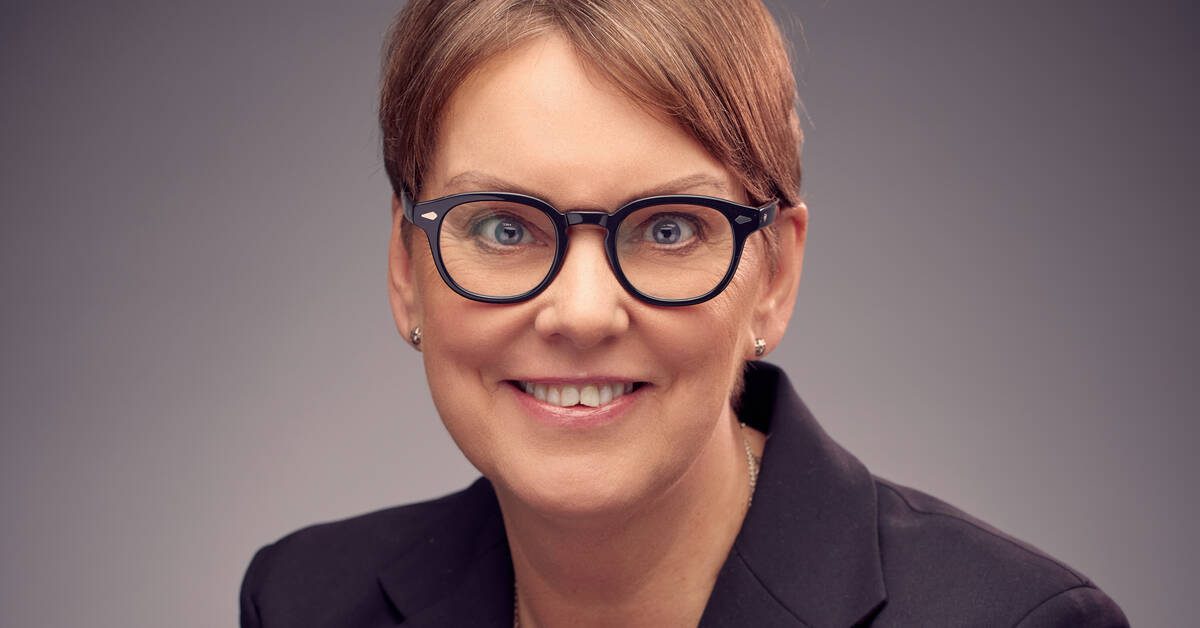
At the turn of the year, legislation on the integration of services for the well-being of children came into force. This is landmark legislation, but the main aim of the law is to create a framework that ensures children and parents in need have access to appropriate, integrated services without barriers. Rannveig Einarsdóttir, Head of the Family and Child Welfare Department for the City of Hafnarfjörður, wrote an article which was published in Morgunblaðið on 14 March.
Pioneering legislation promoting seamless, adapted and integrated services
At the turn of the year, legislation on the integration of services for the well-being of children came into force. This is landmark legislation, the main aim of which is to create a framework that ensures children and parents in need have access to appropriate, integrated services without barriers.

Rannveig Einarsdóttir, Head of the Family and Child Welfare Department for the City of Hafnarfjörður, wrote this article which was published in Morgunblaðið on 14 March.
Tiered service
The service is intended to be tiered. At the first tier, there is a core service available to all children and parents, with an emphasis on individualised and early support. At the second stage, there are more targeted, individualised services, and at the third stage, the services become more specialised.
The Bridge's Procedures in Hafnarfjörður
The new law calls for extensive changes to the organisation and services of local authorities. The Municipality of Hafnarfjörður has been working on developing procedures for services to children and families since 2016 under the title The Bridge – Child | Counselling | Resources. The Bridge's procedures align with the priorities of the new law, as local authorities were consulted during the drafting of the bill. The Bridge involves more targeted collaboration among specialists involved in children's affairs, cross-disciplinary cooperation, and problem-solving. The service is tiered, which means that appropriate resources are activated in line with each individual situation. Such a tiered approach not only achieves better outcomes but also provides a better overview of the resources' effectiveness and impact. By autumn 2020, all schools and nurseries in the municipality of Hafnarfjörður had begun working according to the Brúin's procedure for tiered services. Specialists with expertise and experience in both social and health services and within the education system were hired. A project manager has led this new approach in the municipality, and professionals and managers of schools and nurseries agree that The Bridge's methodology supports earlier intervention in children's matters.
The bridge between systems, disciplines and people
The Bridge also seeks to connect the services of the local council, healthcare, the police and others involved in children's affairs. This is therefore a comprehensive implementation project. New procedures, early support, collaboration between different systems, cooperation among professionals, and increased oversight—all of this calls for a new vision and new ways of working. The experience in Hafnarfjörður shows that a clear vision and strong collaboration are needed to achieve success. Collaboration between the social, health and education services, as well as with parents and guardians, is fundamental to success. In Hafnarfjörður, managers and professionals have been united, and it is essential to emphasise this cooperation when implementing the new legislation. In Hafnarfjörður, we are beginning to see the results of the 'Brúin' approach. More children are receiving services at an earlier stage, the number of child protection cases did not increase in 2020 and 2021, unlike in most other municipalities, and there is greater collaboration between systems.
Forward on the road – implementing new ideas and working methods
Various challenges lie ahead, and it should be noted that the new law stipulates that all children and parents must have access to a contact person to ensure the child has access to the service as required. This is a new role, which is largely shared between the health service, the education system and, to some extent, social services. A case manager is also appointed if a child requires further services beyond those provided at the first level. The local authority shall appoint a case manager who works within the local authority's social services or in the relevant fields according to the child's needs. Work is now underway to define and shape new roles, and funding must also be provided to strengthen and develop resources for children and their families.
Great care has been taken in drafting new legislation, which is the result of extensive consultation. The time has now come to implement new ideas and working methods. System collaboration and integration are key elements. Cooperation between the social, health and education systems must form the basis within the municipalities. This has proven successful in Hafnarfjörður and is the key to the success of Brúin. Exciting times lie ahead for the well-being of children.