
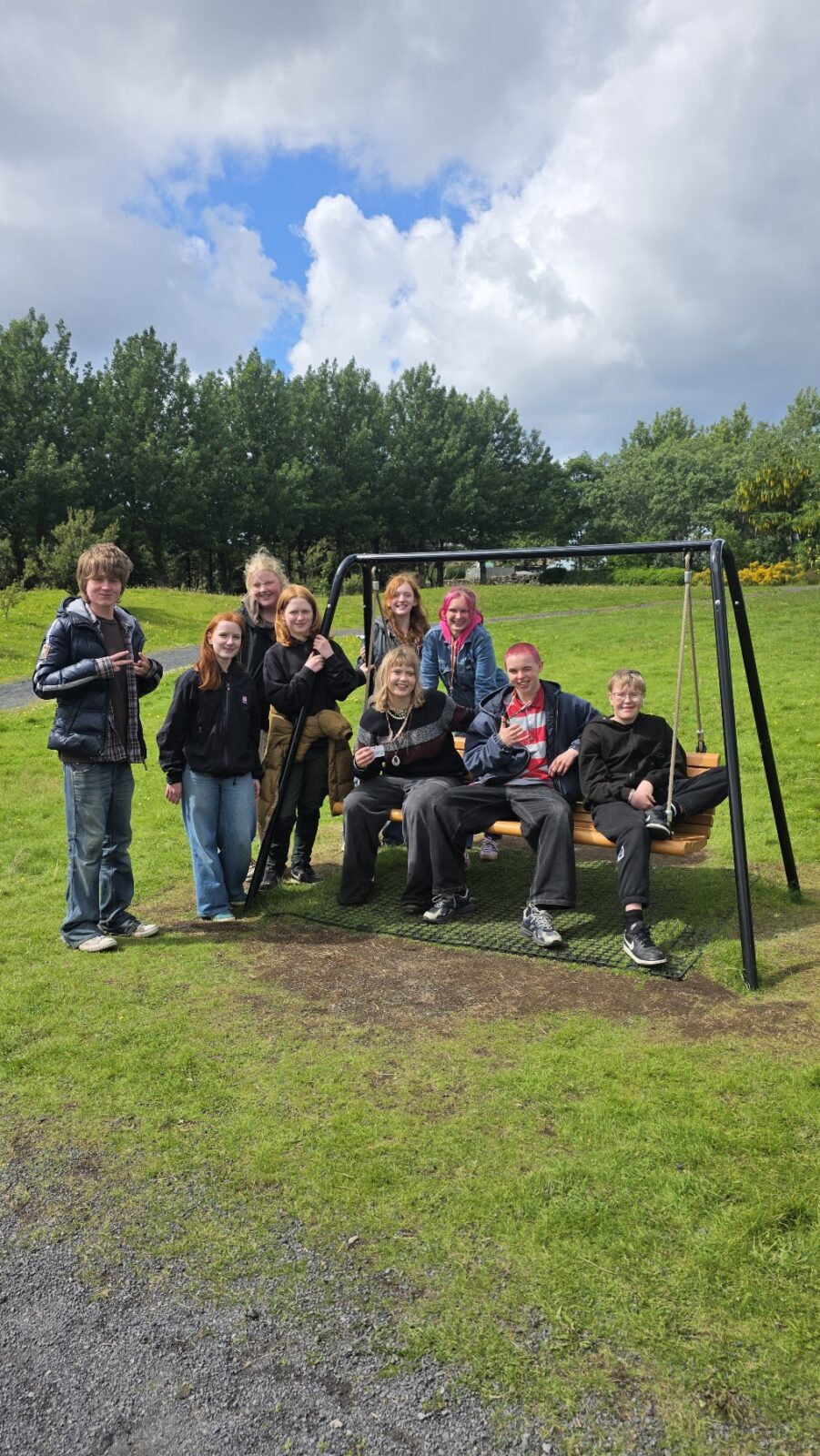
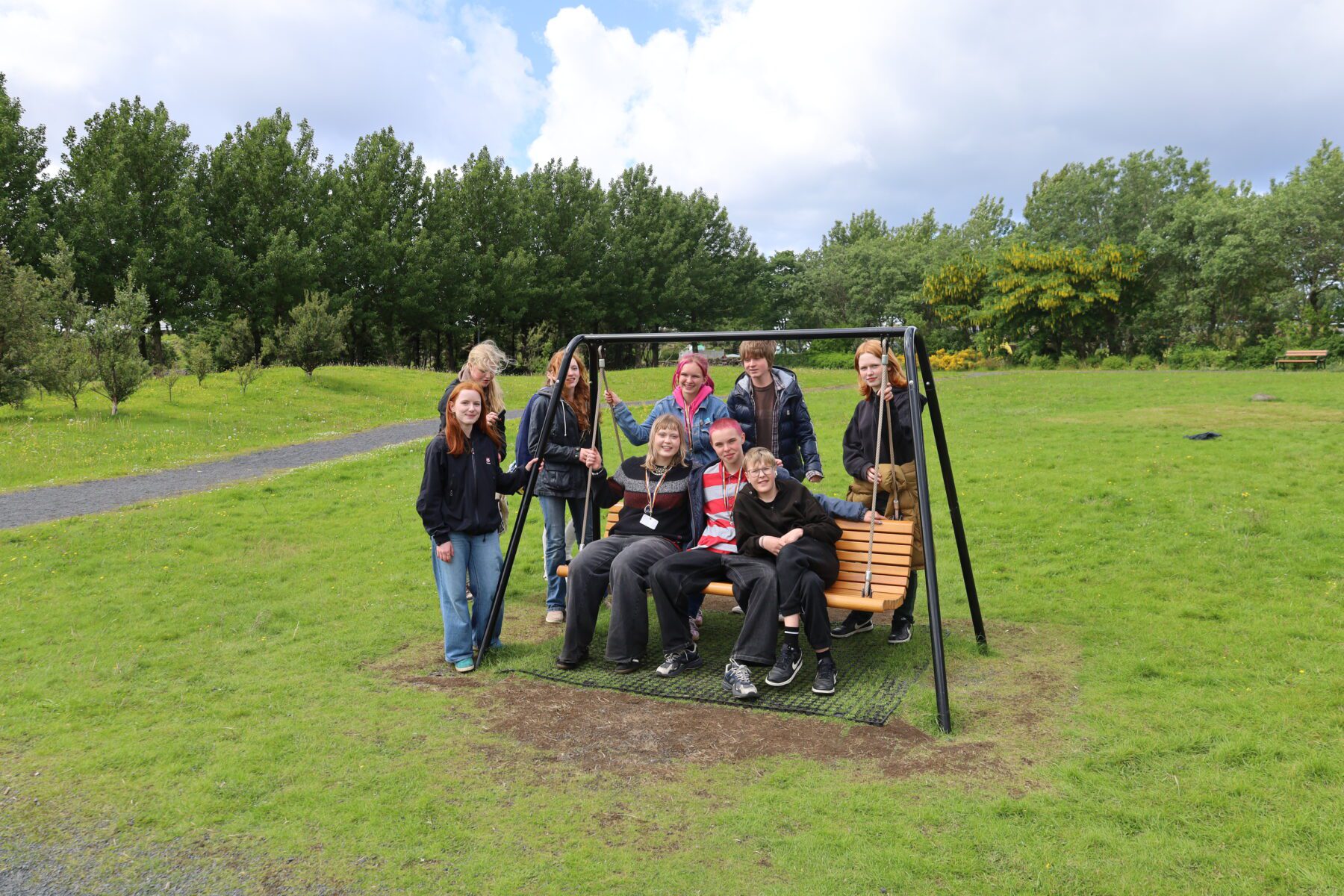
Nine young people, born in 2008 and 2009, are working as peer educators with the young people of the local youth work scheme. They not only educate but have also matured and learned from the work themselves.
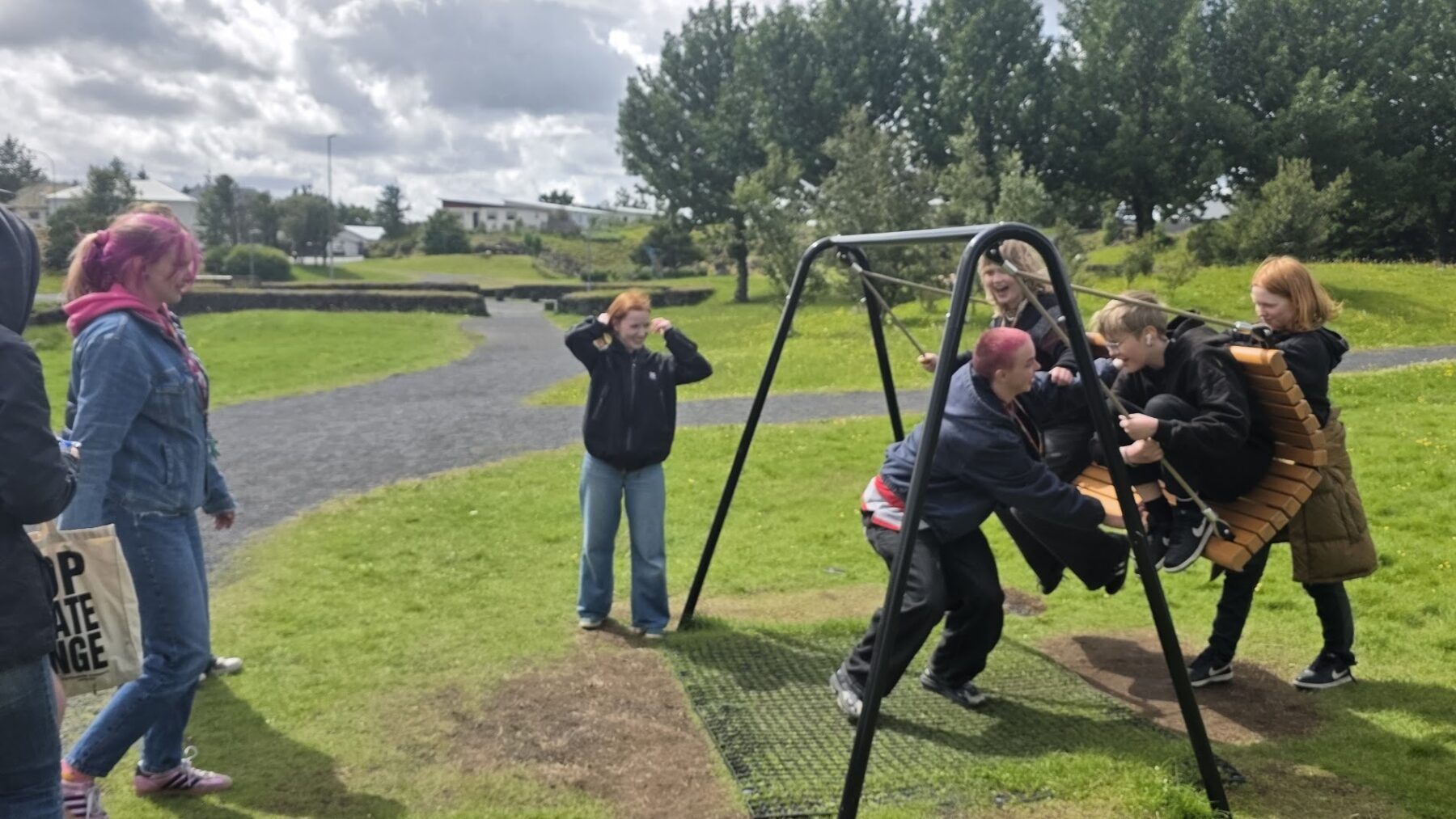
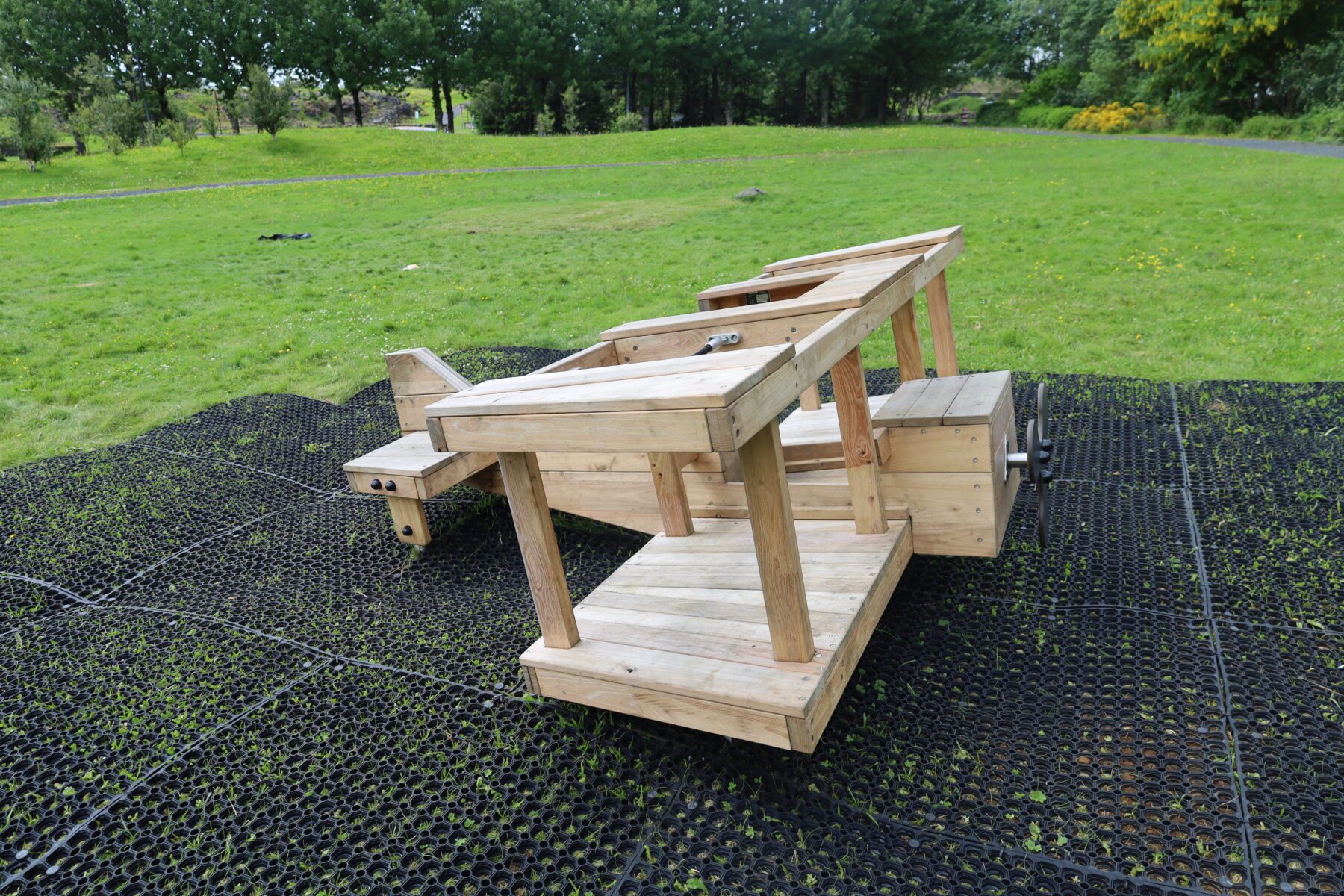
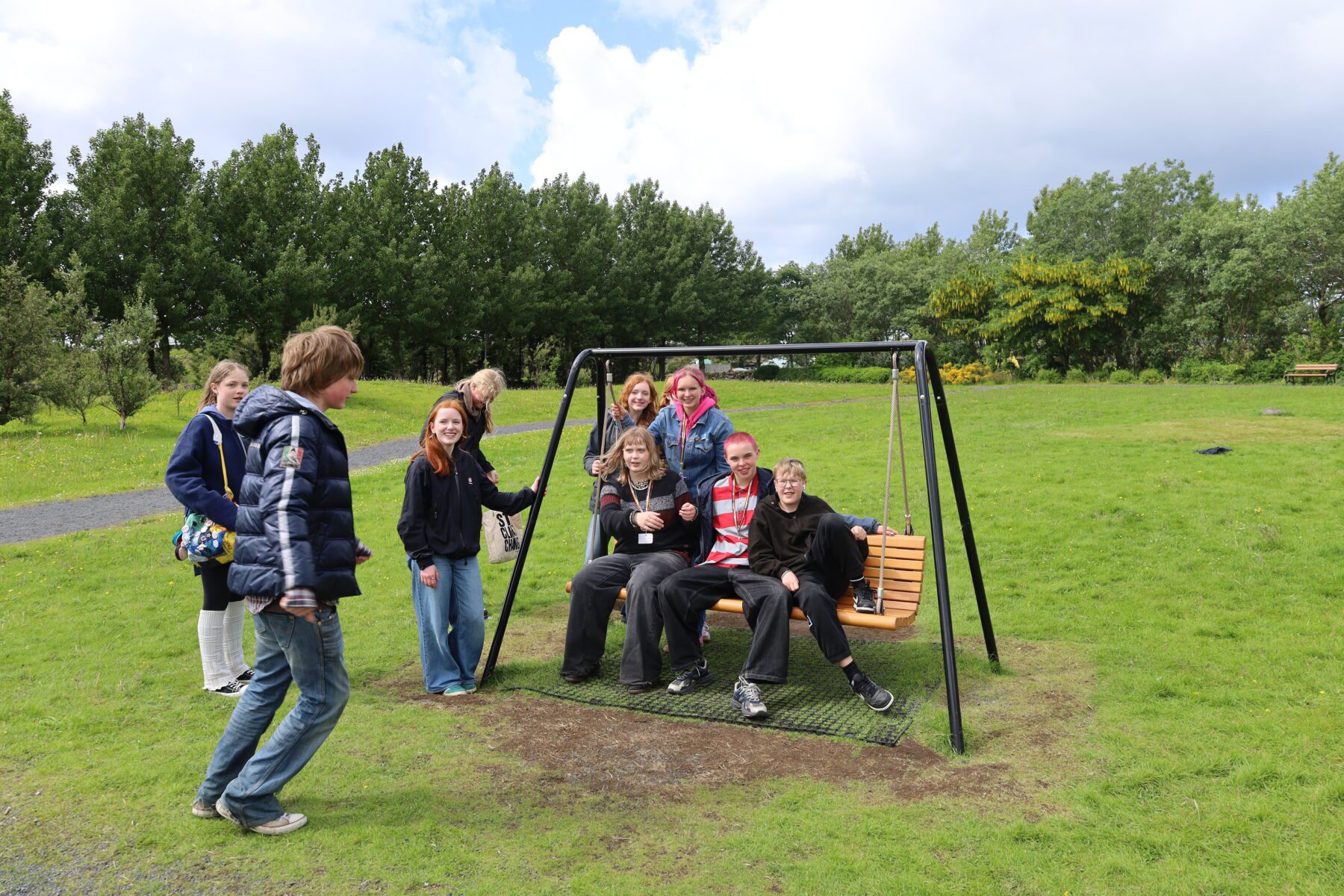
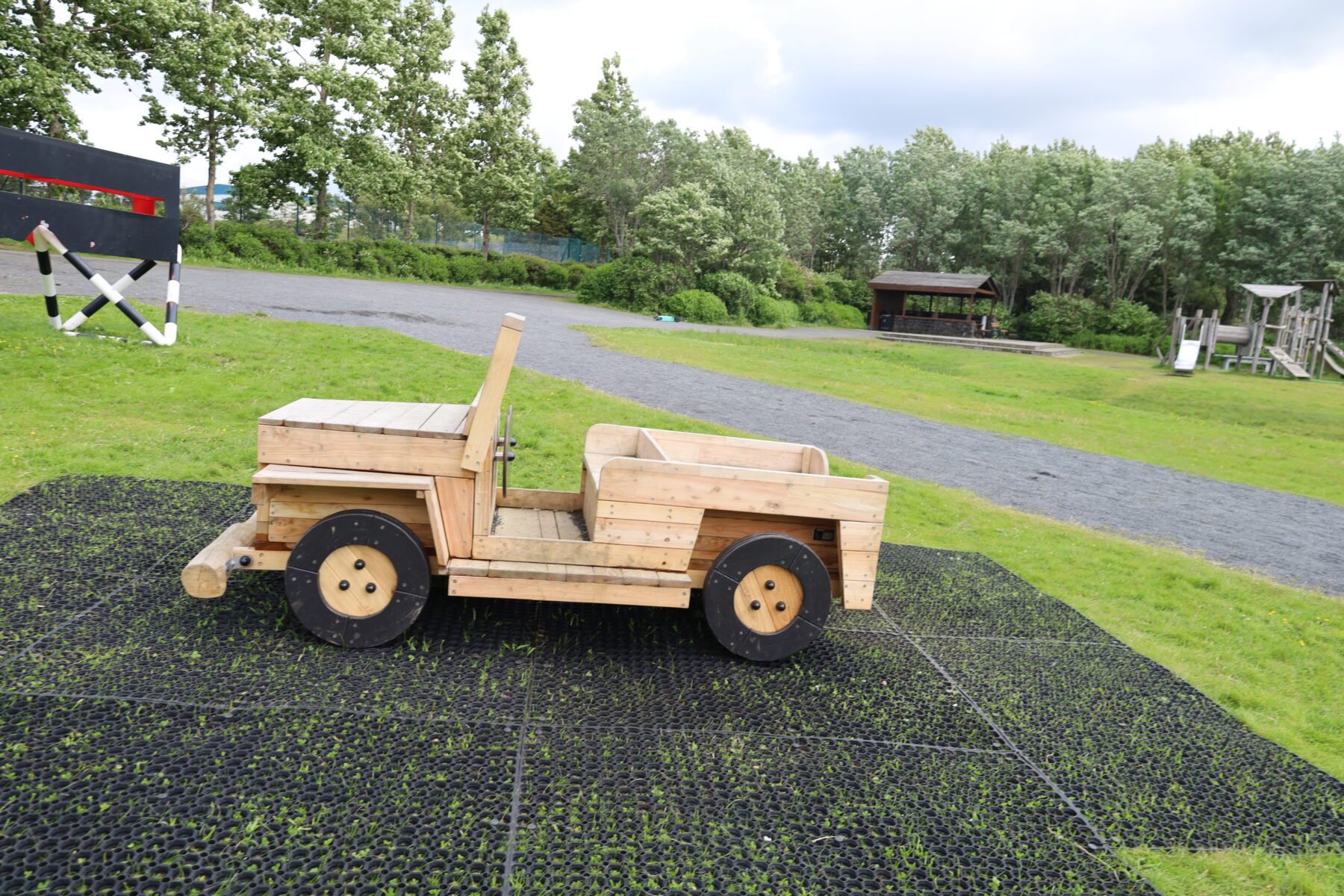
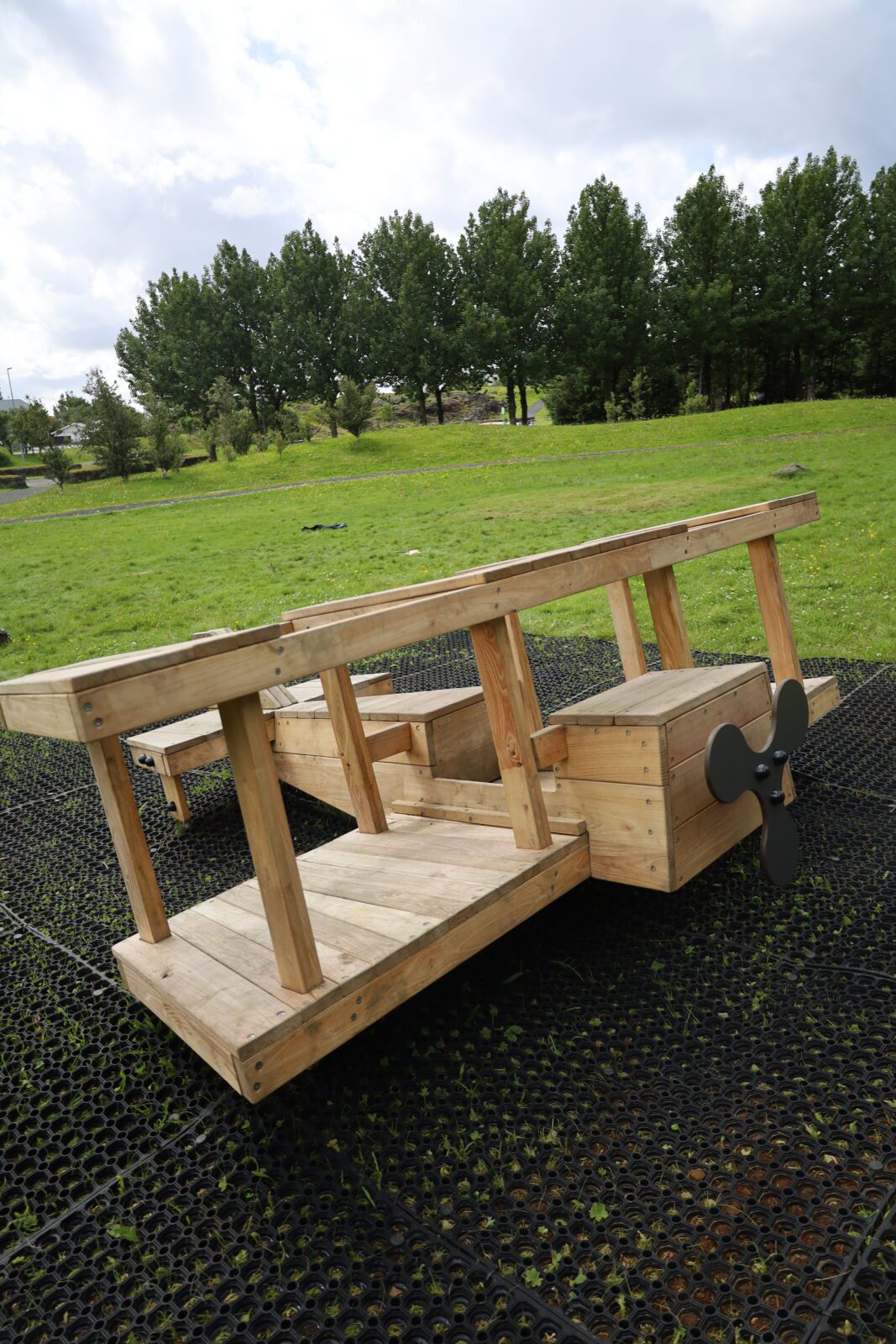
Nine young people, born in 2008 and 2009, are working as peer educators with the town's Work Club teenagers. Not only are they giving back, but they have also learnt a great deal, got to know one another and formed friendships. This was evident as they tried out brand-new pieces of equipment in Víðistaðatún park after the summer school's summer party today.
„Our aim is clearly to train leaders,“ says Torfi Már Markússon, manager of the peer education programme and foreman of the Work School.
„They start with a two-week training course which is not only designed to strengthen them academically before they start working with the teenagers from the Work Experience Scheme, but also as individuals. Their job is to talk to people. It's incredibly rewarding for them,“ he says.
„They met 18 professionals who gave them a presentation. The preparation covers the issues that can arise in peer education. For example, they met Jóna Rán, a prevention officer for Hafnarfjörður, and Kári and Andrea, with Fuck More information – Fuck YOU. They discussed violence, drugs and sex education. “Everything you can imagine could come up,' says Torfi.
Torfi himself took part in the Peer Education in Reykjavík and has adapted the format here in Hafnarfjörður to what is done there. „I was given the freedom to decide on the format.“ Torfi says the aim of the Peer Education is to start a discussion about certain issues.
„They then discuss what the young people in the Work Experience programme are interested in. The young people lead the way, while those in the Peer Education break the ice by, for example, playing educational games and stating a proposition that the others then agree or disagree with. They then answer anonymous questions.
„The idea behind Peer Education is that sixth-formers are more connected to the reality of upper-year primary school children than we older people are,“ he says, although Torfi himself is about to turn 24.
„Yes, they are closer in age to them and should understand the reality these young people face. This makes it easier for them to trust and create a safe environment where they can express what is on their minds.“
There are three weeks left of the Hafnarfjörður Work School, including this one. Each school typically has five groups, with thirteen to seventeen people in each group. Peer education operates in teams of three to four who rotate between the groups. But what kinds of issues arise?
„It varies, but kids are curious about all sorts of things,“ says Torfi. „They're curious about sex education, violence and cyberbullying. Also prejudice. But they also talk about sixth form and other things that matter to them,“ says Torfi.
The youngsters were put up for applications. They went for interviews and were then selected for the Peer Education programme. „It's important that the group is diverse and includes different types so they can relate to different groups,“ says Torfi. And it's fun.
„Yes, absolutely. But this is, first and foremost, extremely important work.“