
Many creative wins with Skill Flip
At Áslandsskóli, the Færniflipp development project has been taught for four years. It is an integrated teaching and learning approach that connects the natural sciences, social sciences, and information and technology. This spring, Færniflipp received a grant from the Hafnarfjörður Education Fund, which will be well used to enhance the teaching.
Skill flip for four years
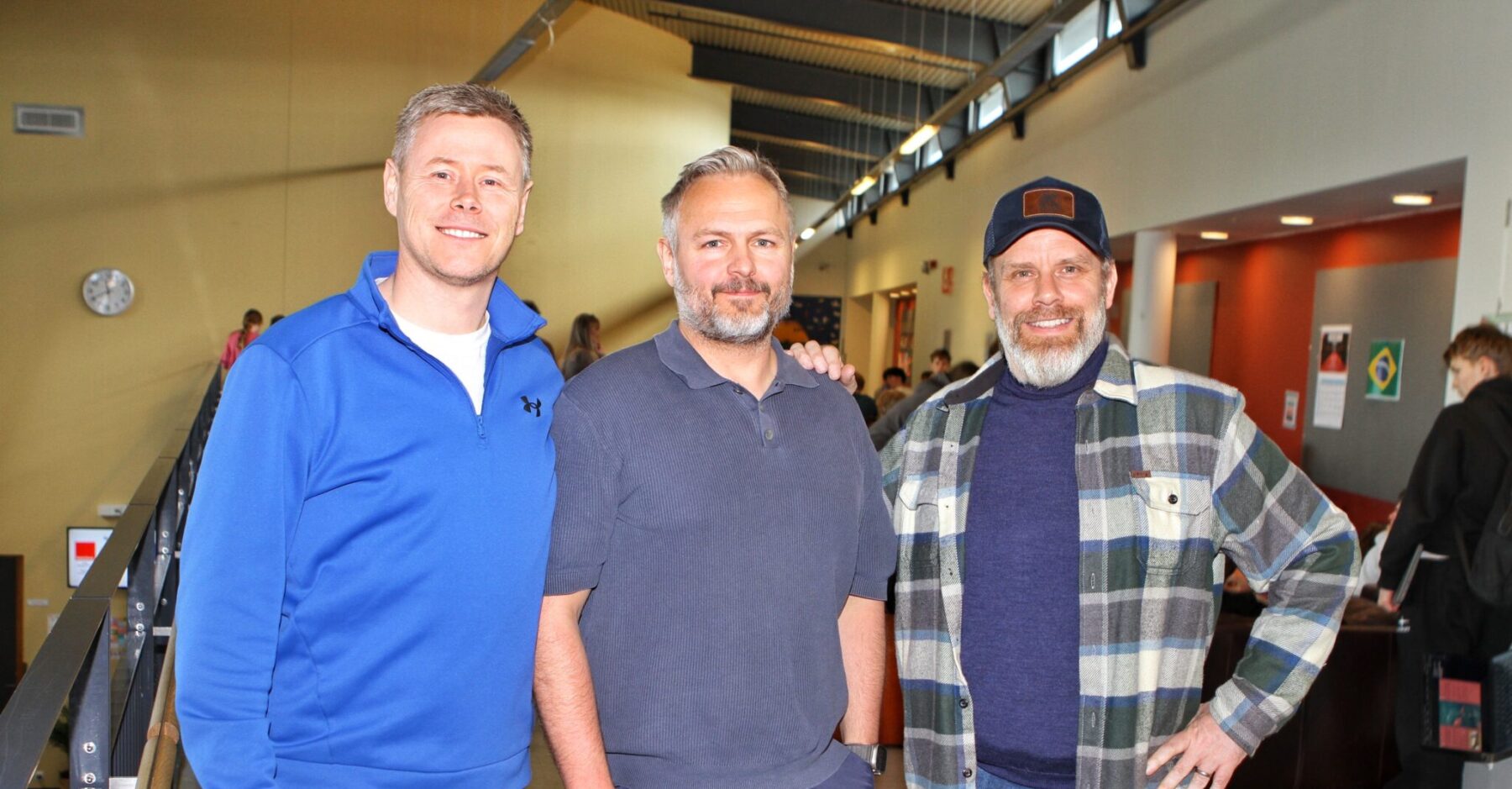
At Áslandsskóli, the Færniflipp development project has been taught for four years. It is an integrated teaching and learning approach that connects the natural sciences, social sciences, and information and technology. Færniflipp received a grant from the Hafnarfjörður Education Fund this spring, which is being well used to enhance the teaching. Teachers Steinbjörn Logason, Einar Bjarnason and Einar Þór Jóhannsson have seen many creative successes among the Year 10 pupils and hear that they go on to further education well prepared.
„We see ourselves as foremen who point things out with questions. They can then answer or look up information. We teach critical thinking and scientific working methods and try to teach them methods for asking questions and seeking information and guidance. When we first started, the students did a DNA project that came from Langholt School and was called I am my grandmother. Then they looked at who they are, their appearance, characteristics and so on, and assessed where everything comes from. Then they made a visual representation of what heredity and the environment are.“ says Steinbjörn, adding that they are constantly refining the projects and developing them further.
Several schools are pioneers in the integration of subjects, such as Langholtsskóli and Víkurskóli in Reykjavík, and Steinbjörn, Einar and Einar have looked to them for teaching methods, whilst also developing their own material in their own way. „The format is that we choose a theme and do 3-5 projects on that theme. We then try to combine all three disciplines at some point. They read a text-based chapter and have to think about it from a design perspective and incorporate that into the design. We've found that by designing and approaching things visually, those who struggle with text can approach it in a different way. So we see a lot of great successes there.“ says Steinbjörn cheerfully.
Creative thinking and creative products
The working process is as follows that each Skills Flip is set up on a Padlet information wall on the Skills Flip's Google Classroom page. The assignments and all the basic sources we refer to are posted on this wall. There are plenty of group tasks, but also individual ones. Steinbjörn emphasises that the last resort in developing the skill is to ask the teachers. „We see it this way: with the devices, students have the whole world in their hands, and they need to learn to use them and be able to manage with what they have, without having to ask. In this way, we have managed to improve their work processes and their independence. Then there's that creative thinking: how they approach the tasks and how they deliver the final product. We teach them how to structure it, and many realise what's needed to make the project even better, putting even more of their own ambition and pride into it, which makes it all the more enjoyable. Then we have creative briefs, so that if they're very imaginative they can deliver a project like a painting or a drawing. It has happened, and it was brilliant.“
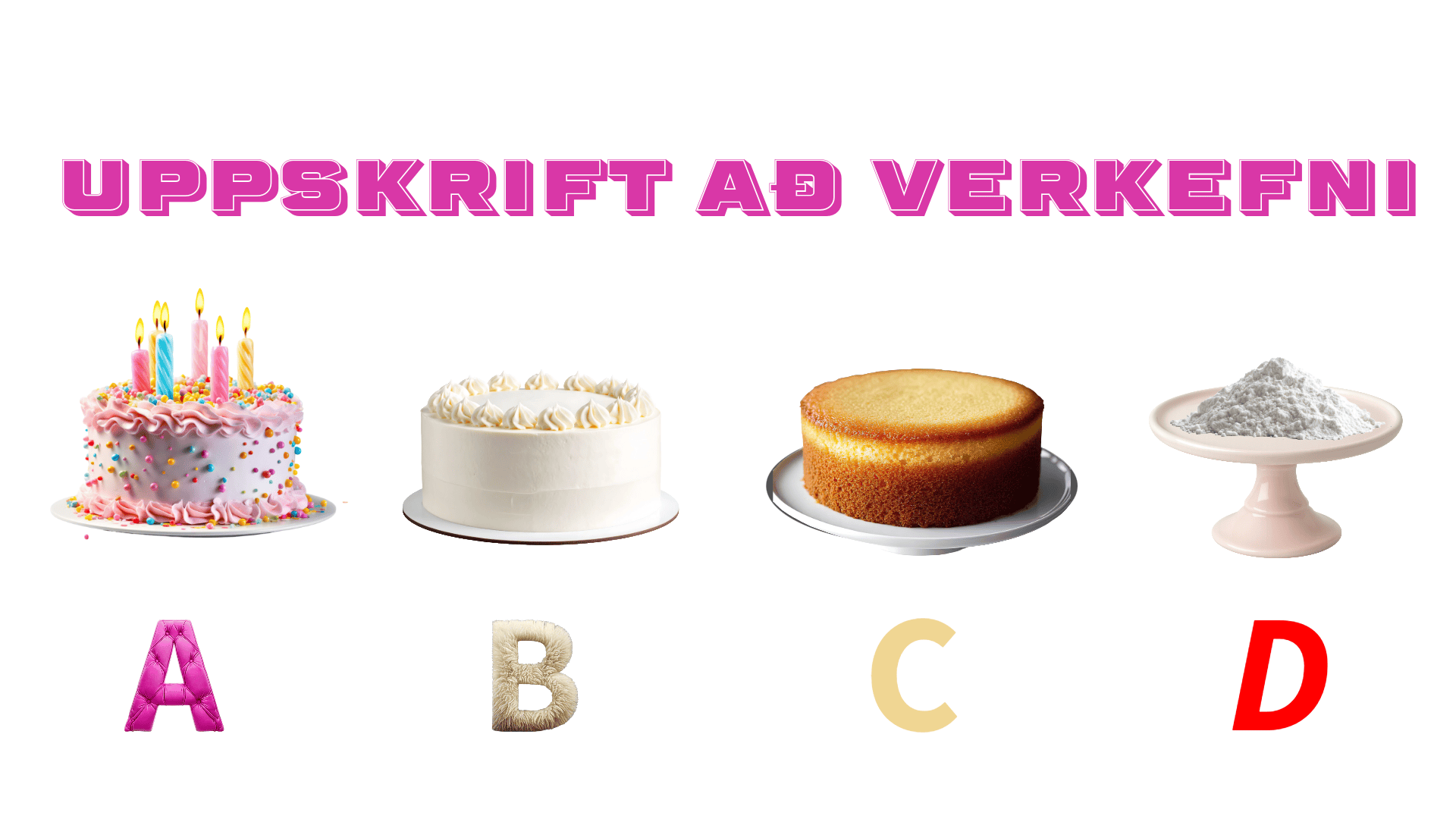
They use a grading scale for all assignments, which serves as a guide for students showing what is expected of them. The grading scale is A, B+, B, C+, C and D. We have also shown the children a flowchart that encourages them to do their best. The accompanying diagram is the recipe for the cake. In it, we try to show them in a visual way how greater ambition, creative thinking and independent working methods give us a more attractive cake.“
„Projects that we see from them where we just get goosebumps.“
Steinbjörn acknowledges that at first, the children find the arrangement challenging, but once they get going, in most cases they settle into it well, start to adopt certain working methods and understand how to „bake the cake“. They have the recipe in front of them. „By pushing them towards independence, we see projects from them that leave us with goosebumps. Even a video that would be right at home on any television channel. We also hear from our students who have gone on to Flensburg; teachers have noticed that they come from us well-prepared and don't need to ask how to approach certain things because they already have the experience. We love hearing about things like this. And to receive something wonderful from these students in the form of their work is so rewarding. That's why we are teachers.“ he says, grinning widely.
Einar B. adds to this: „Young people we speak to who are now in secondary school have said that there's much more to do in Skills Flip than in secondary school, but we then point out to them that they are actually just better prepared because they went to Skills Flip. We feel it's going well and we're engaging a considerable group. There are three of us supervising; each session has several projects, and at the end they get to add one project from the batch they want to improve and return it within a specific timeframe.“
Want to give this time to develop well
Steinbjörn is a graphic designer who looks at things visually and what that can be helpful for learning in a diverse student group. They then approach heavy texts in a more positive way. „The three of us have this in common: we enjoy creating and producing content, and that's not necessarily a given with all teachers. But we'd like this integration to also be available for the younger year groups. We just want to give it time to develop properly so that it can be refined and sharpened, making it easier to take the step up in Year 8 and 9.“
He adds that they are prepared to introduce this development work to other schools here in Hafnarfjörður if there is a wish to take it up. Workshops or presentations about the work. They feel there is interest, but it always takes time to get started and do it well. However, most of us are quick to adapt.
More students excel and fewer are below the minimum standard
As has been mentioned before, the development project is constantly evolving, and the teachers point out that if something significant and newsworthy happens in the world, they can immediately incorporate it into the curriculum and implement it based on the learning outcomes. „We don't have textbooks as such, but we refer to them and say they are basic sources. Then the students themselves go on to find the latest information, evaluate it, and decide what is relevant for the task at hand.“ says Einar B. When asked what he remembers most from this process over the past few years, he says that in the Year 10 assessments that more students are achieving the minimum competency and that more ambitious pupils get an education that suits them and can become outstanding. „With us, no one is without a project and everyone can find a way in their project work that suits them.i. They get the opportunity to improve. Therefore, it is not necessarily the curriculum we teach that matters most, but the working methods they learn. This is how they learn to succeed wherever they go on to study. This scientific thinking and methodology is our cornerstone in the curriculum; searching for sources, evaluating them, recording them and citing references, before you begin.“ he says at last.
In recent weeks and in the coming weeks, interviews with grantee from the Hafnarfjörður Education Fund be published on the media channels of the City of Hafnarfjörður. This gives residents and other interested parties the opportunity to gain a deeper insight into the excellent projects and creative school and leisure activities.