
We are the village: Everyone matters!
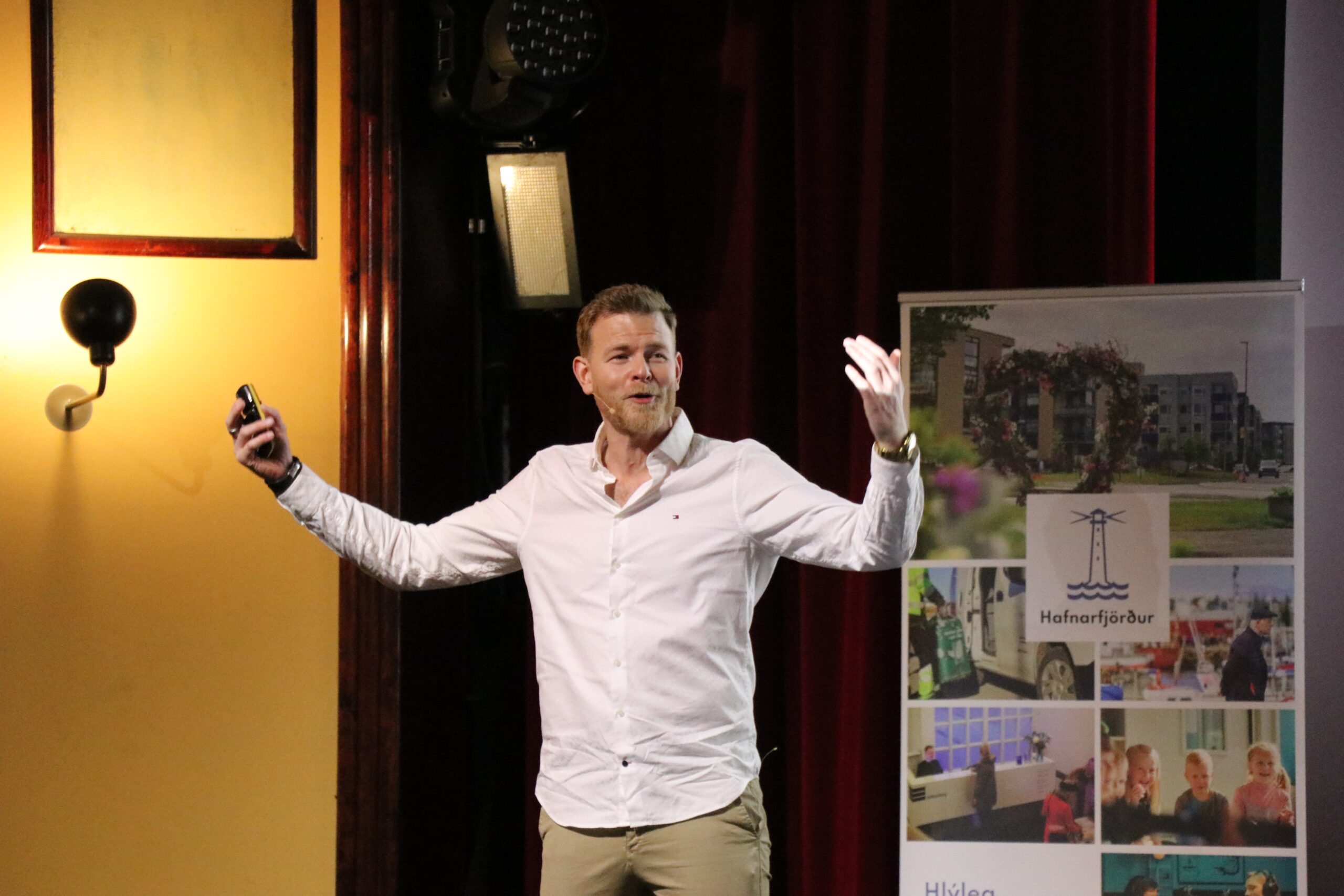
There was a good turnout for the third event in the lecture series, „We are the village“, at Bæjarbíó last week, where Pálmar Ragnarsson, a dynamic speaker and basketball coach, educated participants about the power of positivity and how we can all influence the culture and spirit of our village.
The Village Spirit – positive communication is a choice
Pálmar Ragnarsson, a dynamic speaker and basketball coach, educated participants last week about the power of positivity and how we can all influence the culture and spirit of our village. „Positivity is a choice and a decision, and is capable of having an infectious effect on everything and everyone.“
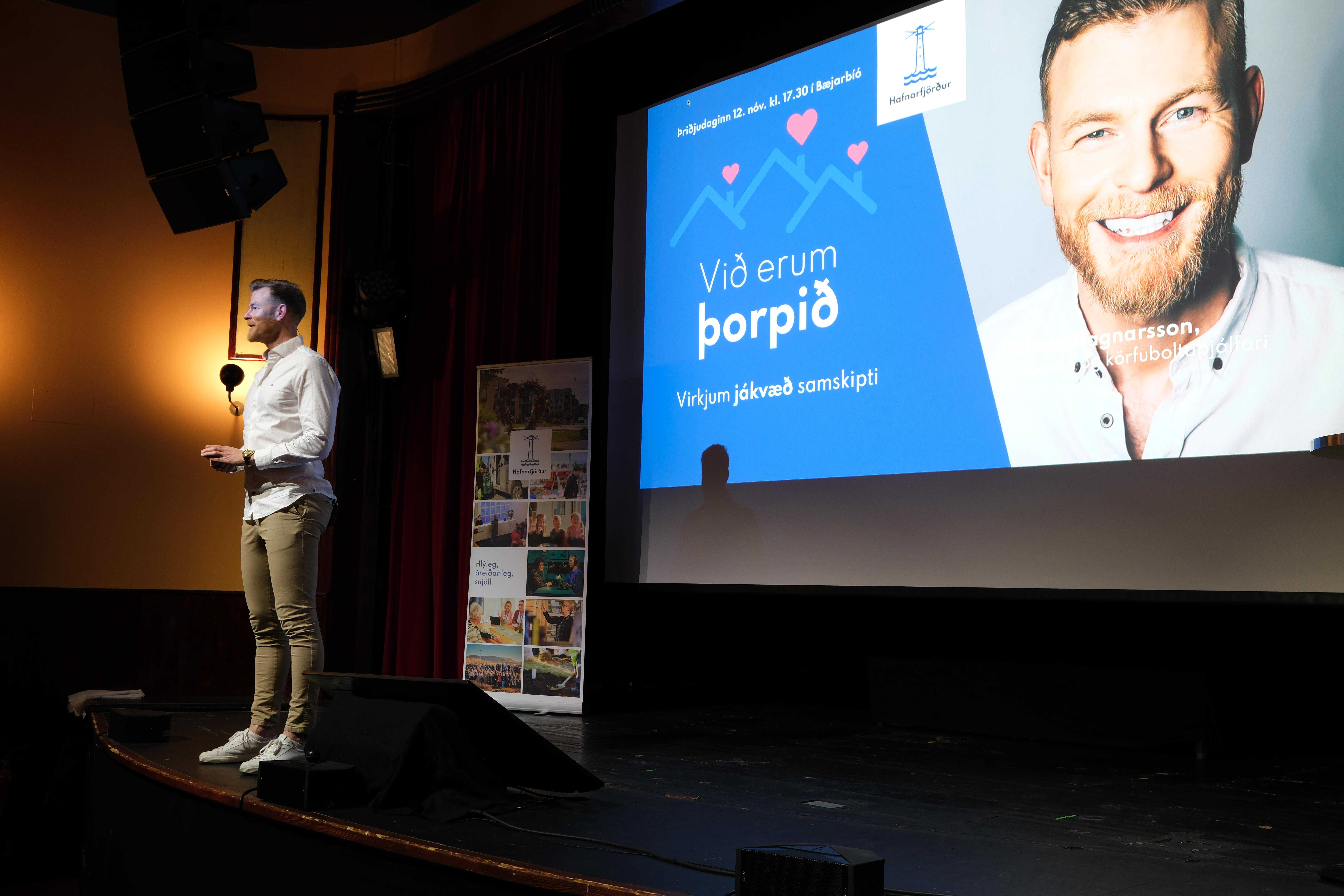
We are all equally important and deserve to feel good.
„It's important that a child feels they matter, whether at home, at school or in their leisure time. This helps ensure our children have equal opportunities to flourish and feel good about themselves.“ Pálmar himself has seen great progress in the children and young people he has coached, and how important it is for a child to feel that what they have to offer is valuable.
Pálmi believes it is important to always greet everyone and welcome people warmly. He issues a challenge to residents: „When you walk into a situation with a group of people, for example at the workplace, don't just greet the same four people.“ See if you can start a conversation with someone you haven't spoken to before; this creates new connections and a more positive atmosphere. This can also be very relevant in parents' groups; when the parents know each other, it's easier to be united in parenting and build a strong safety net for the children."
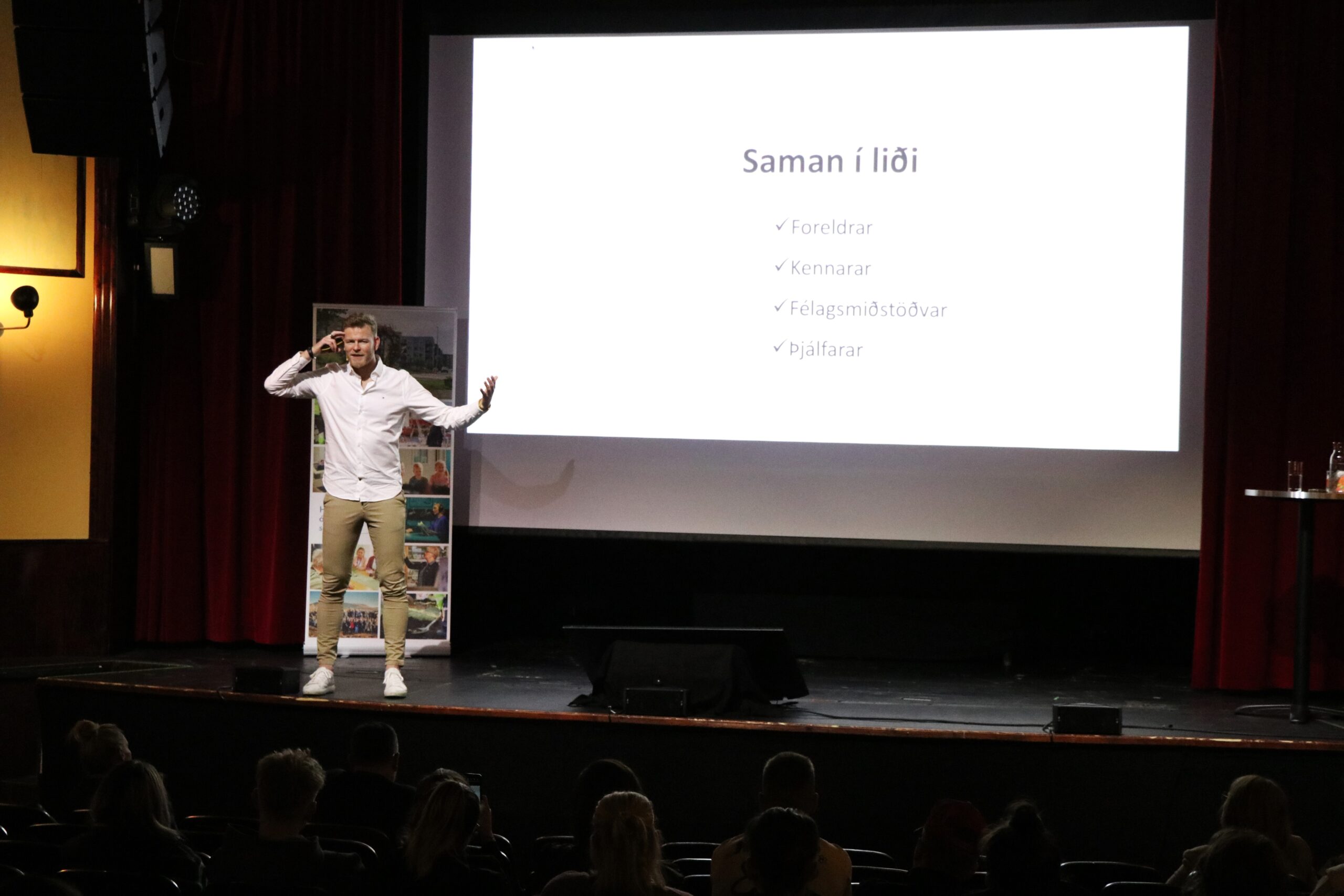
„We welcome people warmly, let them feel that we are listening and that what they have to say is important. Those who do not feel they are being listened to sufficiently may tend to withdraw from the conversation. They lose faith that what they have to contribute is worth communicating. We can ensure these individuals are heard in a group discussion by being mindful of these situations and allowing those who are less heard to have their voice and opinion heard by the group. With good communication, we can bring out the best in the people around us – family, friends and colleagues.“
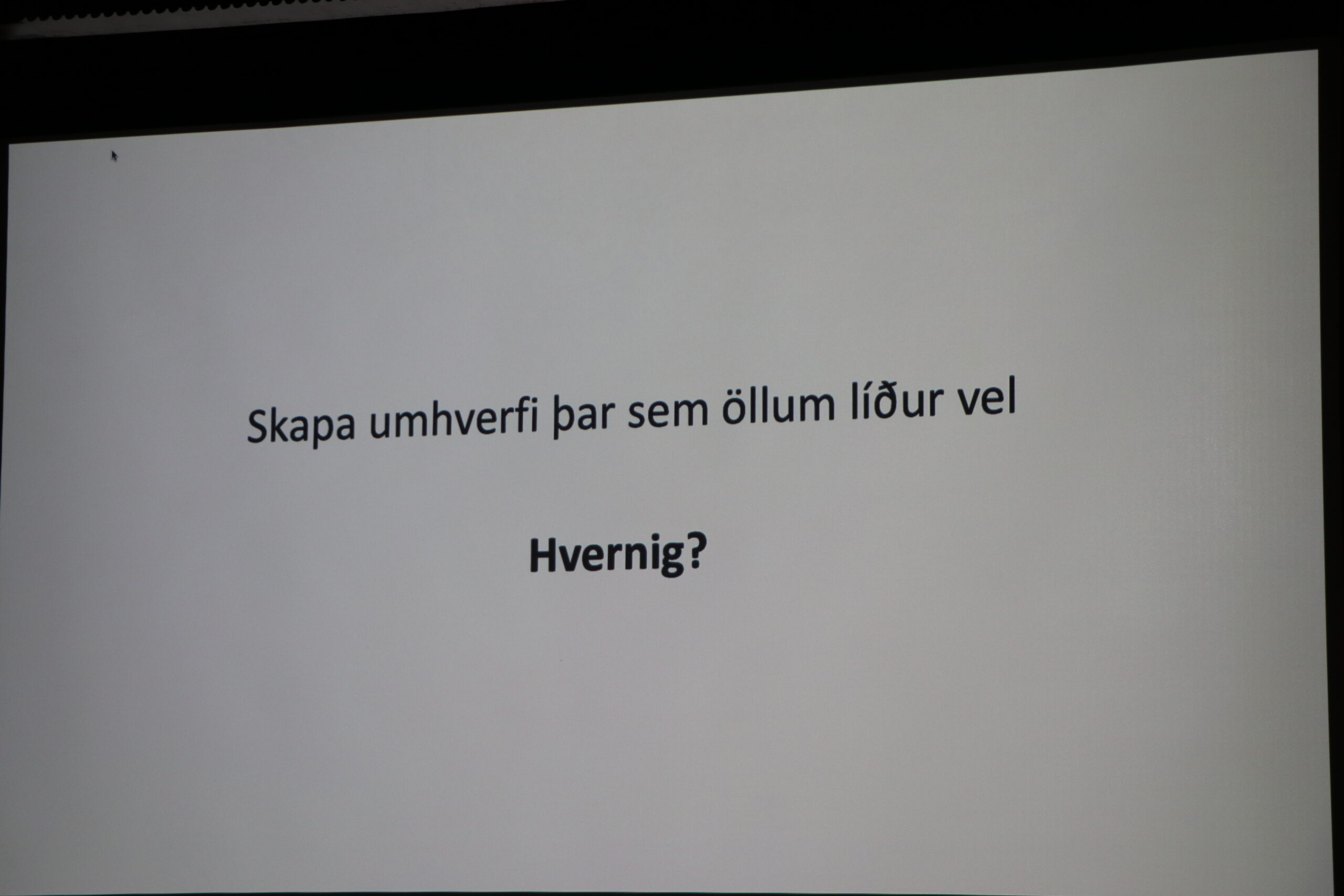
Sincere praise gives motivation and increased self-confidence.
„Giving and receiving praise is crucial. Especially when it is sincere and given in the right circumstances. It's just about a change of mindset and daring to praise what is well done. It makes children feel like they are contributing and gives them the motivation and self-confidence to carry on and do better in everything they take on.“ Pálmar himself places great emphasis on praising people and, through his conduct and lectures, aims to ignite a spark and spread an interest in positive communication.
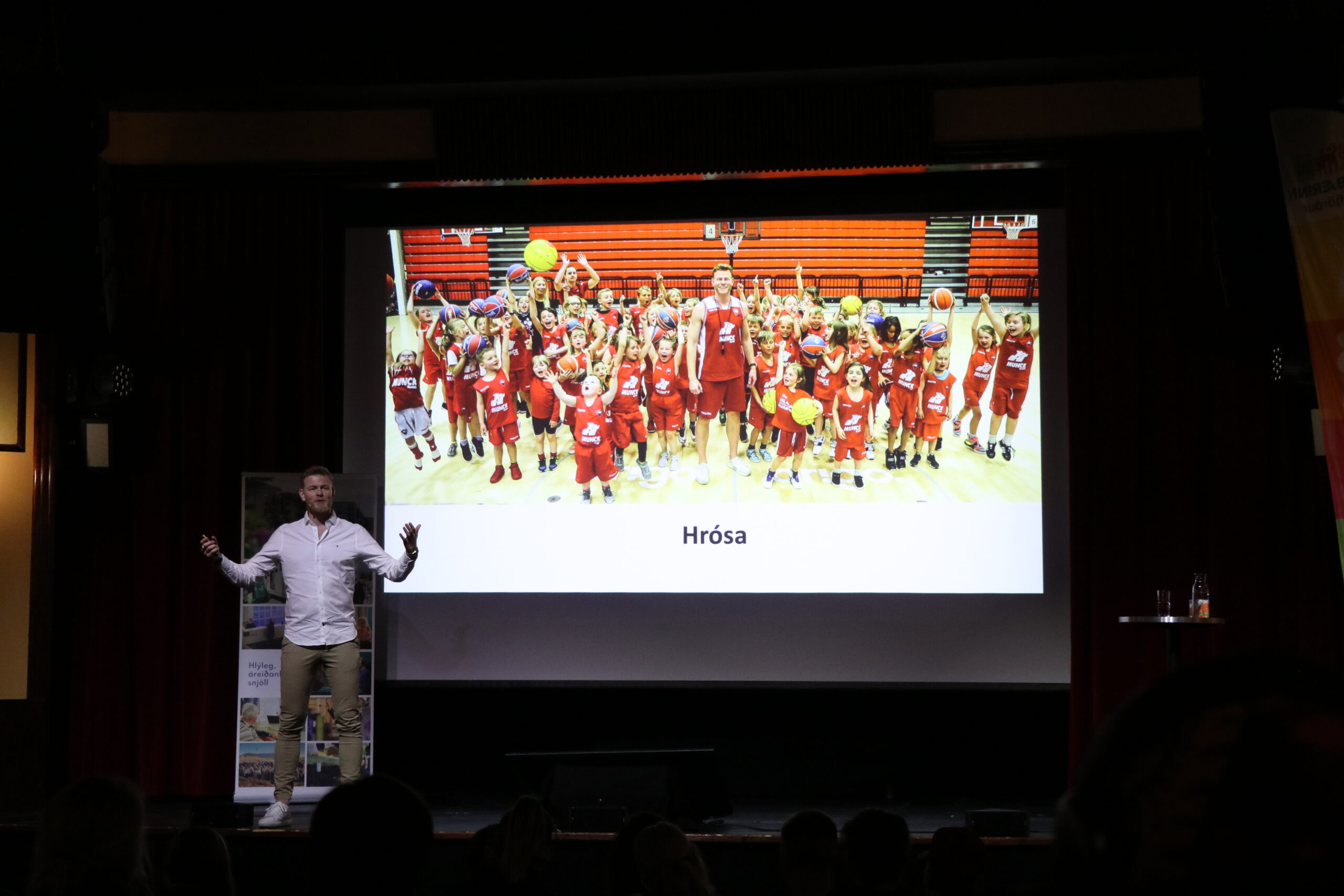
„For example, if 50 children are gathered together and four of them are misbehaving in some way, it is better to praise the 46 who are not misbehaving for being good listeners. Then the majority feel proud and at the same time, it gets the attention of the four who were causing a disturbance; they turn around and listen.“ This is a matter of positive discipline, without anger or having to raise your voice.“
What is the best consequence?
„Children who have behavioural difficulties often feel better with a clear framework, always with a little flexibility, so they know what is expected of them. It is especially important that parents and guardians follow through and stick to what is said, as there are consequences for behaviour.“ This is where communication comes into play; we're talking with them and explaining to the children why there is a consequence for their behaviour and what that consequence is.“
„What's the best consequence? It's the least drastic one that works. If the child keeps disturbing the other players, put them on the bench for two minutes; often, that's all it takes for the child to see what they did, and they come back onto the pitch ready to play with the group.“
„It's a clever tip to always give children two choices, for example: “Do you want to do your homework first and then play a computer game, or would you rather do neither?' It is then a good idea to step back and give them a little time to think, then return to the conversation and ask the child which option they choose. In these situations, it is also important for parents to be united, have the same answers and be firm. Examples of firm answers are: 'No, that's not possible' or 'Yes, it is possible'. If we say, 'Let me think about it' or 'Maybe', children often take that as a 'yes'.“
„It is also important to have a reward system. Where the child sees listening and behaving well as a positive thing. It is also up to parents to show the child how to welcome other people and to spark their interest in the tasks they face. First, it's about sparking interest, then encouraging them, and after that, we tackle the task together.“
Encourages parents to play video games
„When it comes to children's computer use, a powerful strategy for parents is to show an interest in the video game, understand the game and what it's about, and even try playing it. Why does the child find the game fun to play? This can make it easier for parents to set boundaries if they know how the game works, how long it takes, and so on.“
We all have an impact!
Participants left with a smile on their faces, practical advice and new tools in their toolkit on the importance of good and healthy communication and its impact on the well-being and self-confidence of each individual. „We all have an impact on the people around us – positive or negative.". Let's foster positive communication..“
This meeting was part of a series of meetings by the City of Hafnarfjörður and the Healthy City of Hafnarfjörður on the issues, well-being and safety of children and young people. The meeting series is part of the City of Hafnarfjörður's journey towards receiving recognition as a UNICEF Child-Friendly Municipality in Iceland.