Well-being Week: Helgi observes children's behaviour and helps
Helgi Sigurður Karlsson works as a behaviour analyst in nursery and primary schools in Hafnarfjörður. He is called in when the environment needs to be adapted to the needs of pupils and to coordinate staff responses to their behaviour.
Applied Behaviour Analysis in Schools
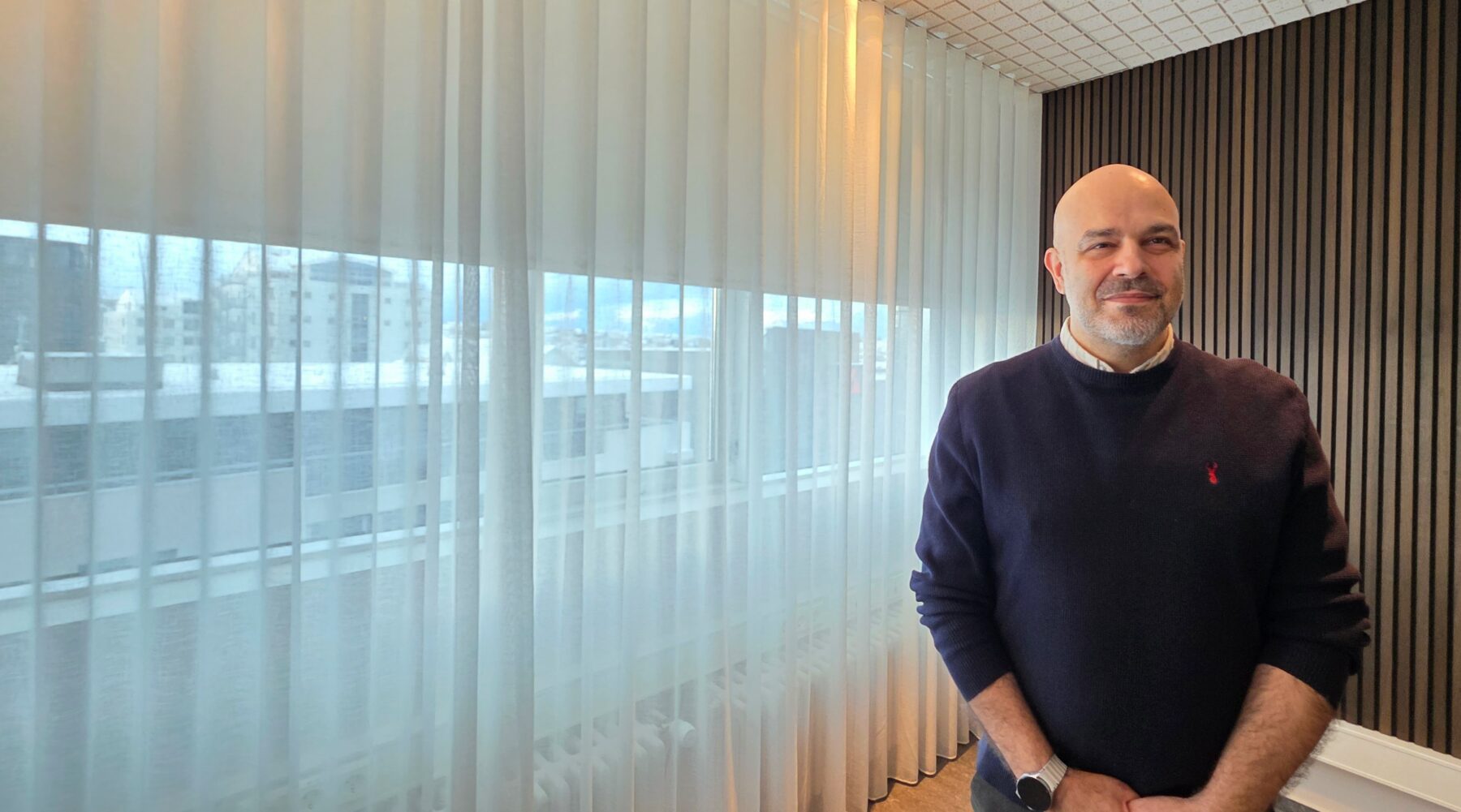
„I work as a behaviour analyst for all nurseries and primary schools in Hafnarfjörður. My role is to support schools and parents in finding solutions when a child is struggling at school, for example with behaviour, well-being, social interaction or engagement in learning,“ says Helgi Sigurður Karlsson, a behaviour consultant. His work is one of thirty different resources run by the City of Hafnarfjörður to promote the well-being of children.
His service is provided in two ways:
- General advice and education: For example, when a school or staff are looking for general guidance, support, training or courses.
- Advice regarding a specific child: A formal application for services for the child is then made. The case is referred to the relevant professional committee (nursery or primary school) for approval. If approved, the case is given a timescale by Helgi, which is reviewed and updated as necessary.
Well-being Week is currently taking place in the capital region. The aim is to draw parents' attention to the municipalities' new way of working, for the benefit of the children. Various specialists are now working together to ensure the children receive the right support at all times.
Helgi says that in his work he primarily relies on functional assessment. „I advise schools on adapting the environment to meet pupils“ needs, coordinating staff responses to behaviour, and setting up reinforcement systems and response plans when required, for example in relation to risky or violent behaviour. Following incidents, I also work with parents and others in the child's immediate environment, and I partly adopt an MST approach, coordinating home and school," he says. When he works on a case involving a particular child, he usually starts by trying to understand what circumstances are contributing to the problem.
„I look at what the child is trying to achieve with the behaviour; for example, to avoid difficult tasks, get help, get a break, get attention or feel more secure. From that, I help the school and parents to build a clear and realistic plan,“ he says, giving examples:
- Adaptation to the environment and the daily routine
- Coordinated response from adults (the same plan for everyone)
- reinforcement and reward for desirable behaviour
- Clear responses when behaviour becomes difficult
- Safety plan in the event of danger or risk
He also works directly with the child's parents and carers, with the aim of getting the home and school to work together and in the same direction. „Often, the most important thing is that everyone agrees on the goals and that the child receives the same message and support in all situations,“ he says.
„I also support schools in the implementation and use of Beanfee and Beanfee Direct, which are tools to support positive behaviour, recording, and consistent practices. I also take part in development projects, for example a reading project in collaboration with Beanfee Ltd and the City of Hafnarfjörður, which is supported by Rannís, where the aim is to make a simple home reading resource available to parents.“
Yes, Helga's work is one of nearly 30 resources available in the City of Hafnarfjörður's toolkit to ensure the well-being of our children.