
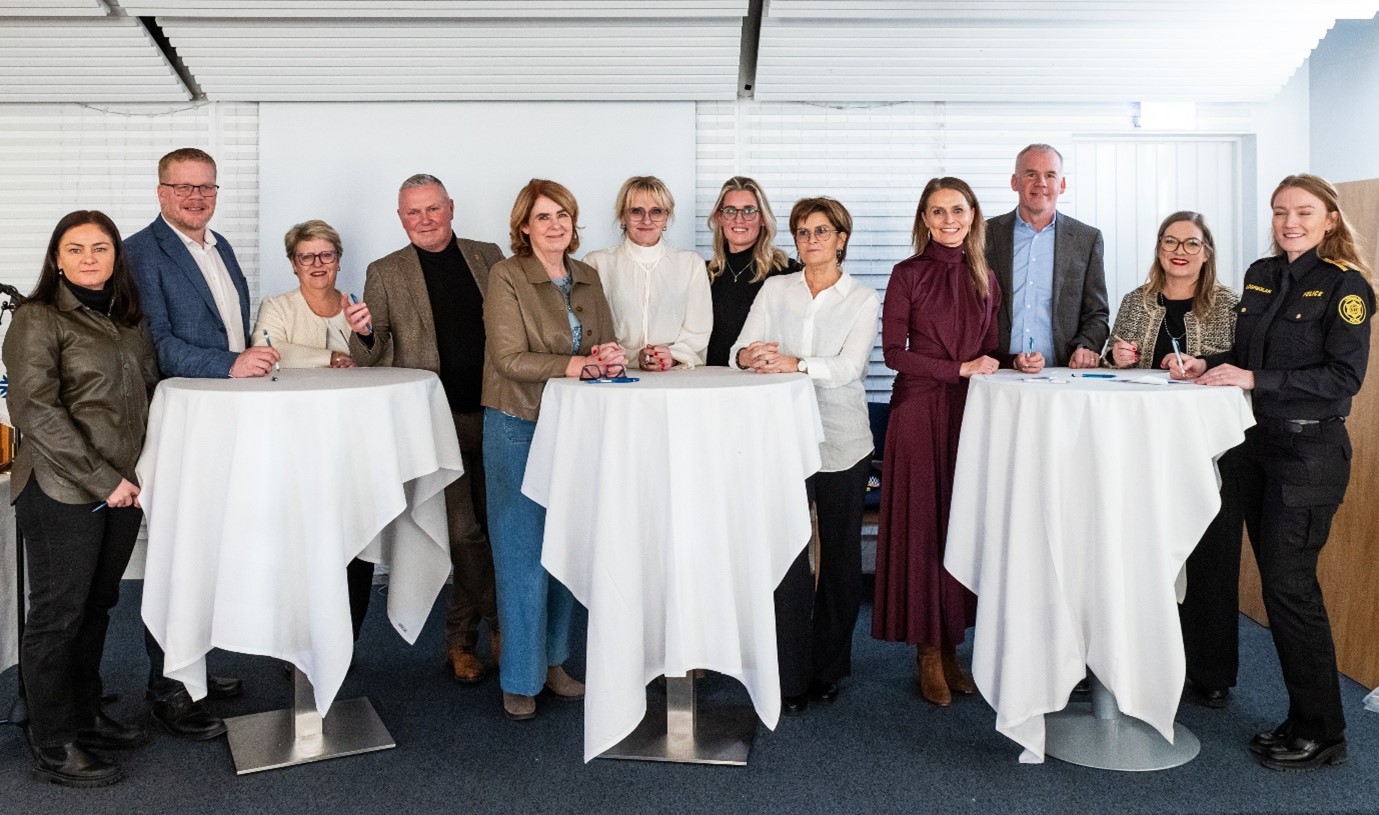
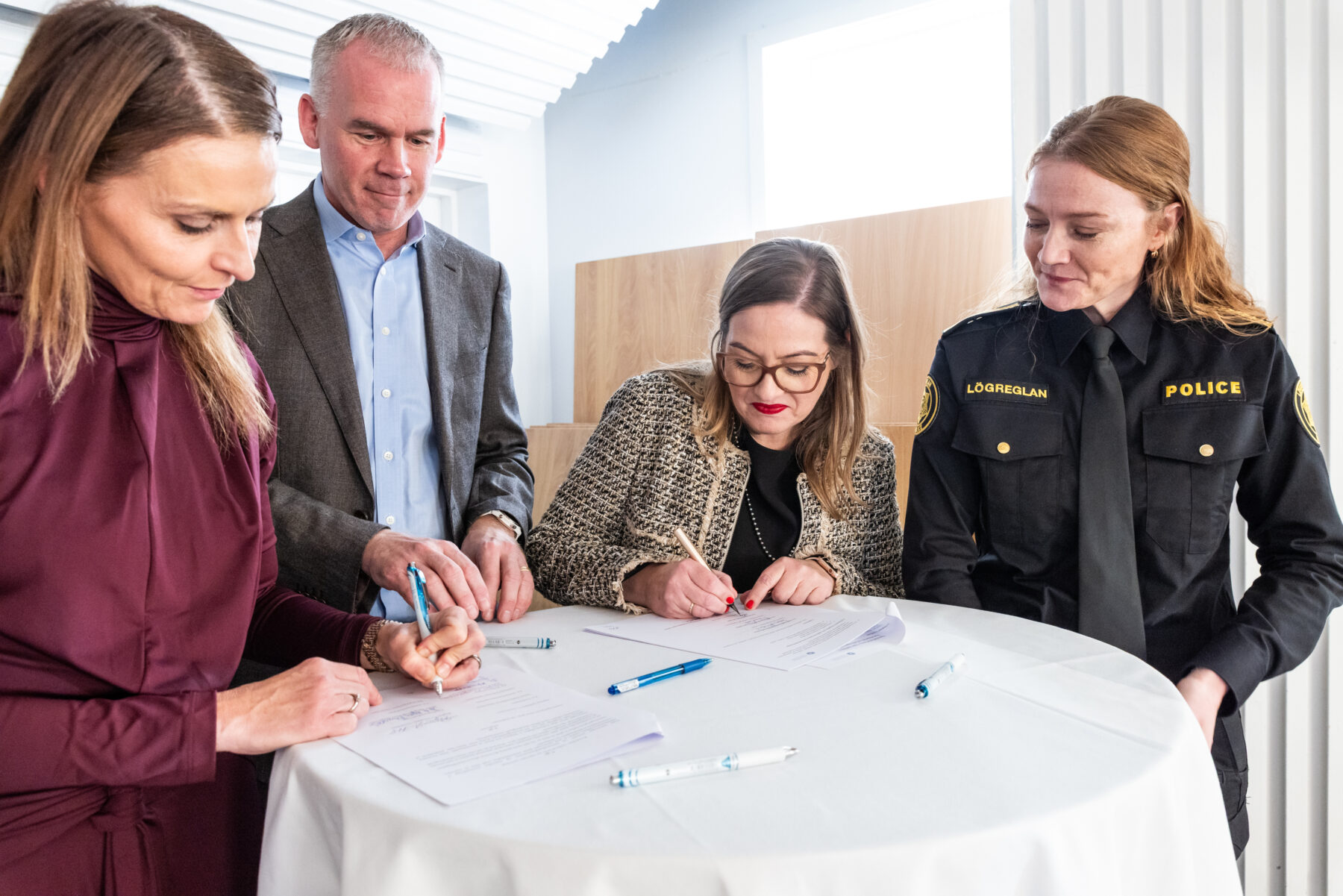
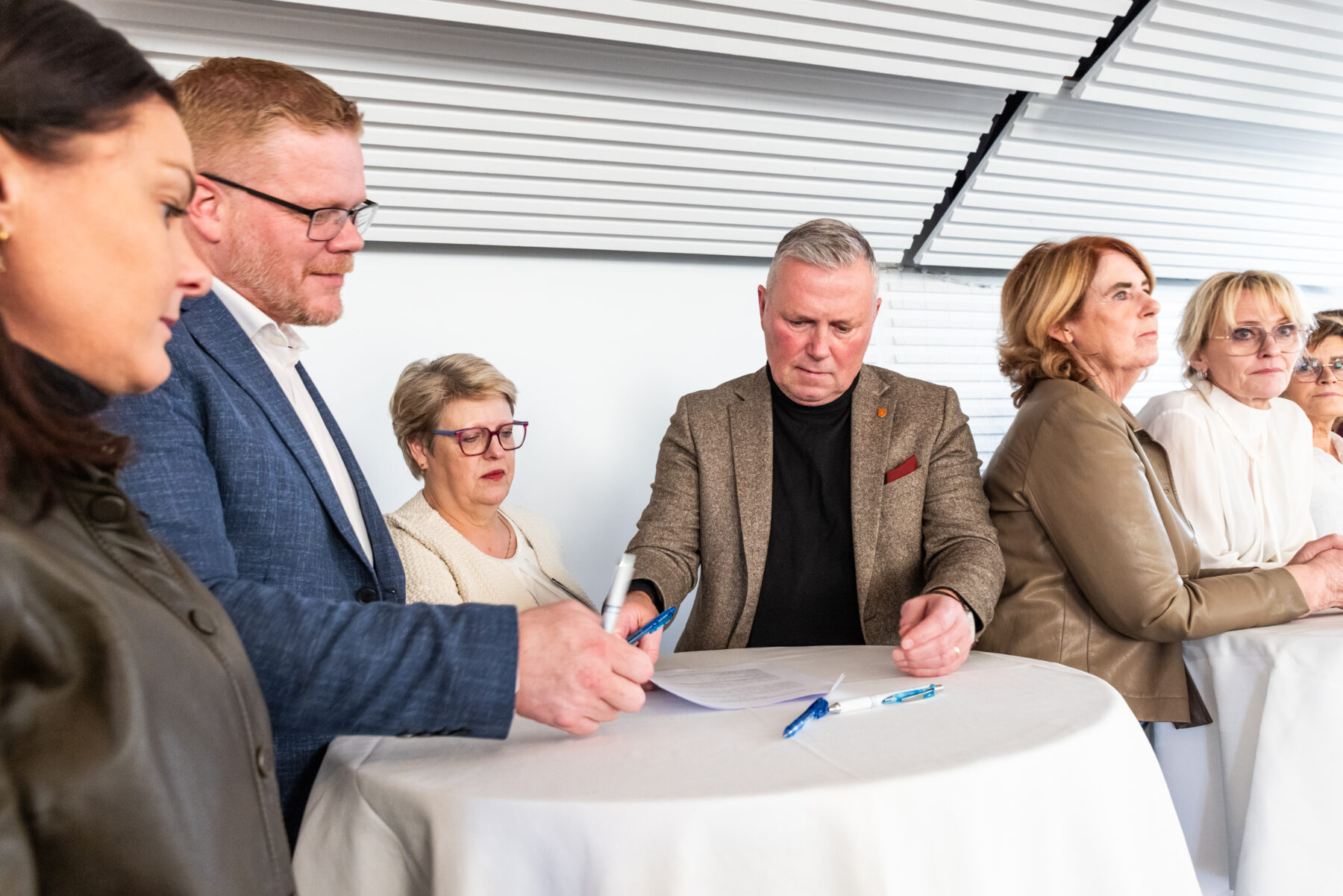
The Capital Region's Welfare Council has been formally established. The City of Hafnarfjörður is a member. The council's aim is to strengthen and coordinate services for children in the capital region.
The Capital Region Well-being Council was formally established on Friday, 14 November. The signing ceremony took place at the Annual General Meeting of the Association of Municipalities in the Capital Region at Garðaholt in Garðabær. The step is an important step towards a coordinated effort by local authorities and government agencies for integrated services in the interests of children's well-being with the establishment of the council. This is stated in a press release from the Association of Local Authorities in the Capital Region.
The Well-being Council is a forum for joint strategic planning and consultation, in accordance with the Act on the Integration of Services for the Well-being of Children. The establishment of the Council enshrines a targeted dialogue and increased cooperation between state and local service providers. The aim of the council is to strengthen and coordinate services for children in the capital region through an integrated, early intervention and holistic approach.
Guðmundur Ingi Kristinsson, Minister of Education and Children's Affairs, says an important milestone has been reached with the establishment of the council. „The Well-being Council covers the country's main urban centres and we are moving a step closer to providing children with integrated services without barriers throughout the country,“ he says.
The parties to the council are the six municipalities – Reykjavík, Kópavogur, Hafnarfjörður, Garðabær, Mosfellsbær and Seltjarnarnes – the municipalities play a key role in services for children, as they are responsible for school services, nursery and leisure activities, social services and child protection. In addition to the municipalities, the Health Service in the Capital Region, the Capital Region Police, the capital region's upper secondary schools and the capital region's sports movement are also members of the council.
The Council will prioritise actions and formulate a four-year action plan which all parties will agree to. The actions are based on collaboration between service providers and relate to all the key elements of well-being: education, health and well-being, social status and quality of life, safety and protection, participation and social relationships. A special emphasis will be placed on early intervention and community-based prevention.
„When service providers work together towards common goals, the ability to support children and families at the right time increases,“ says Hanna Borg Jónsdóttir, project manager for the Capital Region's Well-being Council. „The collaboration that now begins is built on solid professional expertise and the conviction that children's well-being is a shared responsibility for all of us.“
The Council will utilise existing data and build upon the extensive consultation that has already taken place. This includes the findings of the Icelandic Youth Survey, which will be used as a guide for prioritisation and performance measurement. The Council will also make good use of the findings from workshops organised by the police in the municipalities, where staff from the police, healthcare services, local authorities, secondary schools and sports clubs have worked together on solutions for children in a vulnerable position.
Consideration will also be given to the action plan of the Regional Centre for Sports in the Capital Region, which was developed in collaboration with all sports clubs in the area and aims to increase the participation of children and young people in sport. The council will also use analysis from the Association of Capital Area Municipalities (SSH) regarding prevention, mental health and resources in primary schools. The collaboration of the Implementation Managers for Well-being in the Capital Region will also be important in the work, as they have identified the main challenges related to the integration of services for children and young people.
The country's success strategies are based on a contract between the Ministry of Education and Children's Affairs and seven regional associations of local authorities, which was signed in October 2024.. With the agreement, all local authorities in the country committed to begin implementing Article 5 of the Act on the Integration of Services for the Well-being of Children. The aim is for children and parents to receive appropriate services without barriers, and the establishment of the councils marks an important milestone in that implementation.