
23 representatives at the Green Flag meeting at Víðistaðaskóli
Lively discussions took place among 23 representatives from all year groups at Víðistaðaskóli during a Green Flag meeting yesterday. Spring clean on the school grounds, food waste, outdoor teaching and a clothes swap were among the topics discussed. Work on the 6th Green Flag application is underway, with the aim of receiving a new flag this June.
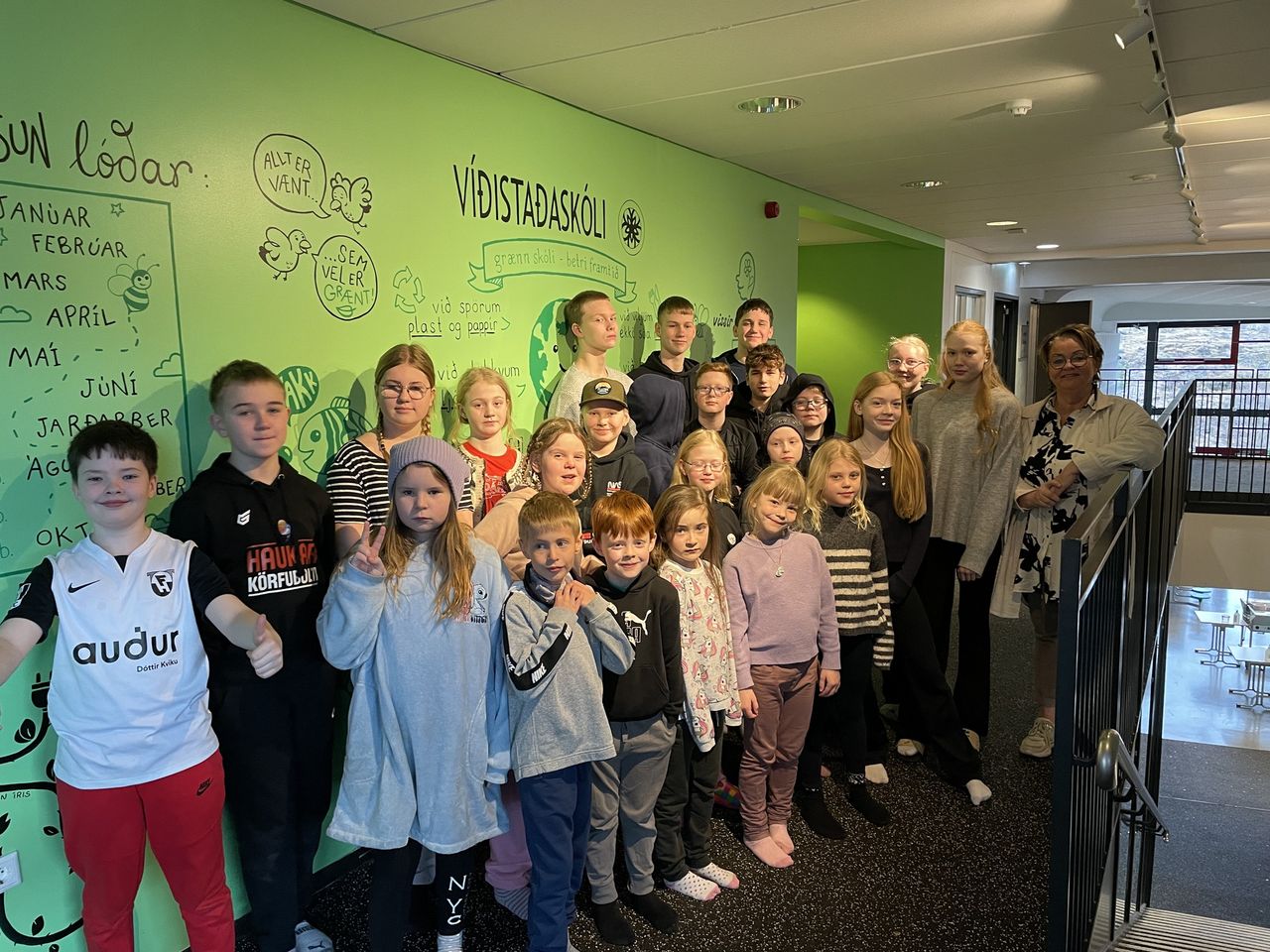
Green Flag Meeting at Víðistaðaskóli
Enthusiastic discussions took place among 23 representatives from all year groups at Víðistaðaskóli during a Green Flag meeting yesterday. Work on the 6th Green Flag application is now underway, with the aim of receiving a new flag this June. Solveig Baldursdóttir, the Green Flag Team Leader at Víðistaðaskóli, led the discussion when the pupils talked about the spring clean on the school grounds, which takes place from March to May and involves all year groups. They also discussed being tidy both indoors and outdoors, and how important it is that we all make sure not to drop litter. There was a great deal of discussion about the chewing gum stains that are everywhere.
Food waste, clothes market and outdoor learning
Food waste was also discussed. The class representatives believe that children do not need to take too much on their plates in the canteen, but can rather go back for more. A lively discussion took place about outdoor teaching and how beneficial it is to learn outdoors. They felt that more could be done of this in the school. „You don't always have to be learning from books,“ said one pupil. A clothes market has been running, and the children are very happy with it. Many from the group have taken the opportunity to get an item of clothing or to donate one. Five pupils will be supervising the clothes market after the Easter holidays.
Aiming for a new green flag in June
One of the main topics of discussion at the meeting was the work on the forthcoming application for the 6th Green Flag. Students on the Environment Council will be involved in the preparations for the application and the reception of the new flag for the next two years. The aim is to receive the 6th flag in June. Meetings like these are at their best when there's a bite to eat at the end. Everyone was treated to refreshments, and a group photo of our splendid representatives was taken at the end. Yes, the young people of Víðistaðaskóli showed yesterday that they are interested in environmental issues and are taking action.
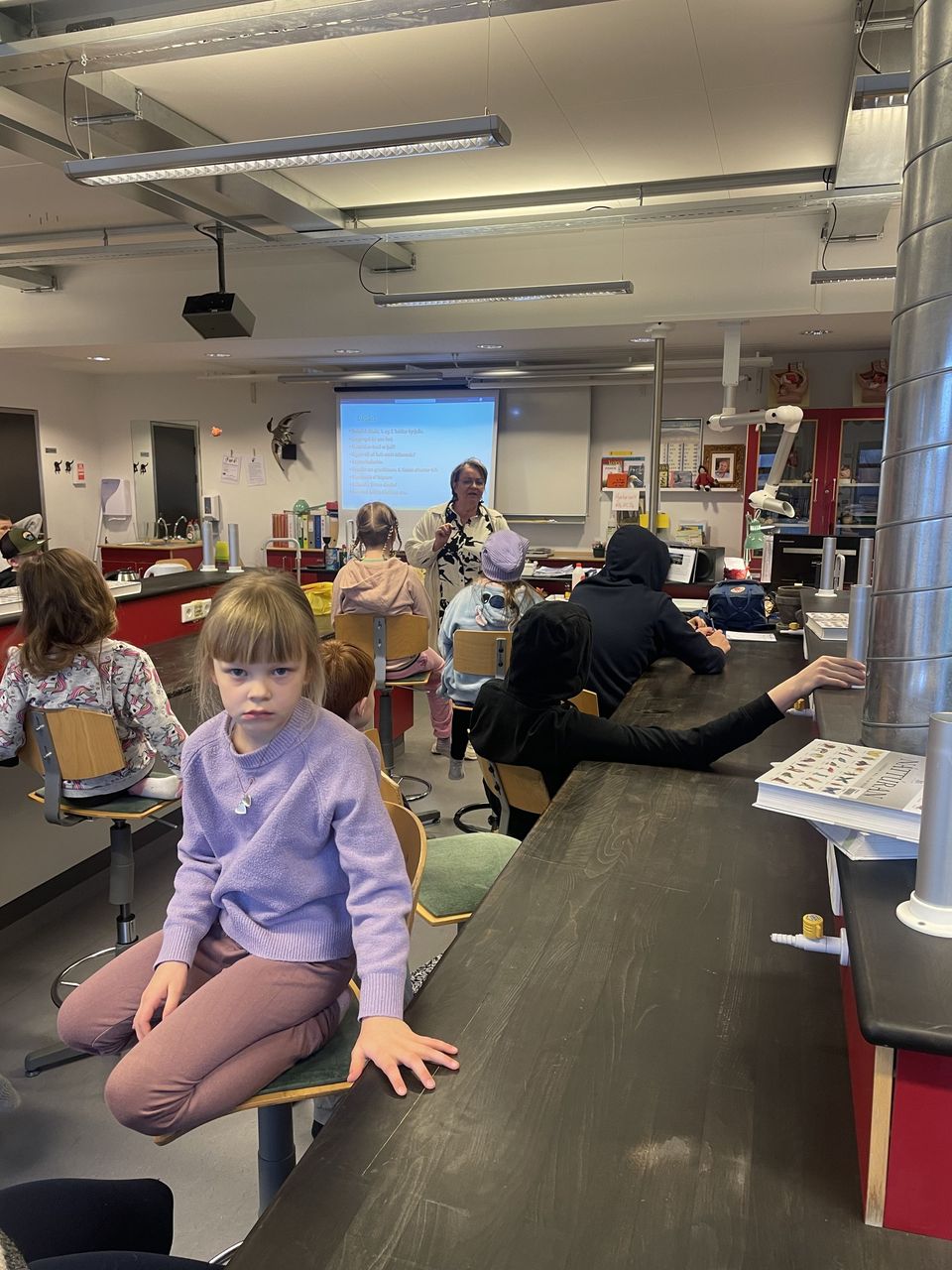
About the Green Flag
- Schools on a Green Branch is an international project that aims to increase environmental education and strengthen education for sustainability in schools.
- Schools go through seven steps towards increased environmental awareness and sustainability. When this goal is achieved, the schools are allowed to fly the Green Flag for two years, and this recognition is renewed if the schools continue their good work.
- The Green Flag is an award that is widely respected across Europe as a symbol of successful education and environmental policy in schools.
- The seven steps are specific projects that raise awareness of environmental issues among pupils, teachers and other school staff. The projects are intended both for classroom teaching and for improving the school's day-to-day operations. They lay the groundwork for adopting a responsible approach and implementing practical measures on environmental issues and sustainability within the school.
- Experience shows that schools participating in the project can make considerable savings in their running costs. The Green Flag project in Iceland is managed by Landvernd, which is a member of the international organisation FEE. A steering group supports Landvernd in all matters relating to the project.
About Child-Friendly Local Authorities
The Municipality of Hafnarfjörður is working to implement the United Nations Convention on the Rights of the Child into all its governance and activities, as part of the Child-Friendly Cities project. The council's decision to implement the Convention on the Rights of the Child is a recognition that the knowledge and experience of children and young people is a valuable asset to the council. Child-friendly local authorities promote the active participation of children in matters that concern them, and they consult with children and young people systematically to improve, adapt and expand their services. Children and young people are encouraged to share their ideas and opinions, and parents/guardians are encouraged to raise awareness of the project and the value that participation from as many people as possible brings to the community and the council's services.
Child-friendly municipality and the journey of Hafnarfjörður