
We are the village: Every year matters!
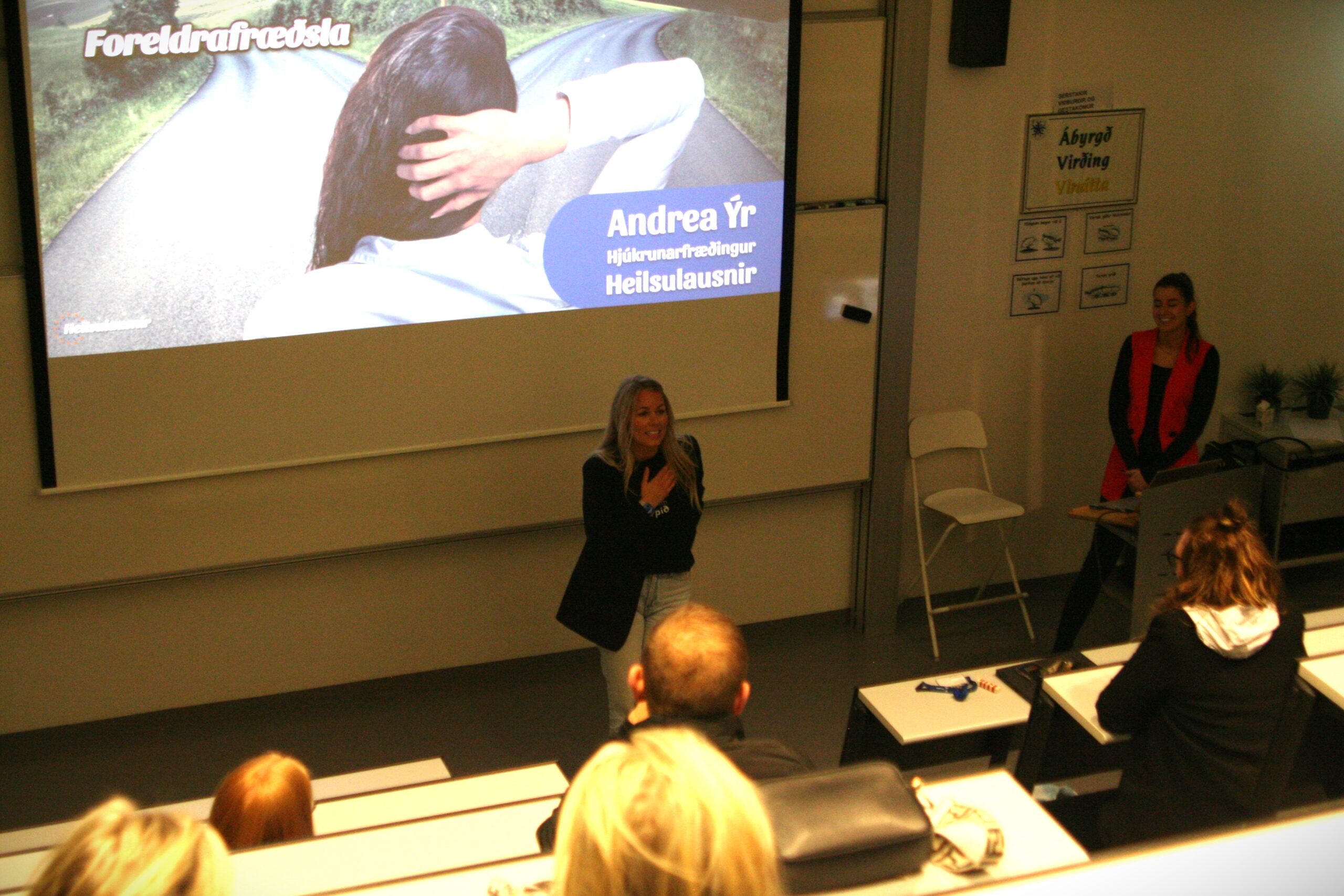
Andrea Ýr, a nurse and one of the owners of Heilsulausnir, spoke to the meeting's participants about the education young people receive in schools today and also gave some good advice for parents. Stella Björg Kristinsdóttir, Manager of Leisure Activities and Prevention for the City of Hafnarfjörður, went over the statistics and how we can better support our young people.
The fourth event in the lecture series, „We are the Village“ was held in the lecture hall of Víðistaðaskóli earlier this week, where Andrea Ýr, a nurse and one of the owners of Heilsulausnir, told the meeting's participants about the education young people receive in schools today and also gave good advice to parents. Stella Björg Kristinsdóttir, Manager of Leisure Activities and Prevention for the City of Hafnarfjörður, went over the statistics and how we can better support our young people.
The VELDU drug education programme
Health solutions, owned by Stefanía Ösp Guðmundsdóttir and Andrea Ýr Jónsdóttir, deliver the VELDU substance misuse education programme to all Year 8 classes in Hafnarfjörður's state schools. The programme aims to inform about the harm and addiction associated with substance misuse, and to strengthen self-esteem. The education is delivered by nurses, and all teaching materials are based on evidence-based and recent sources. This year, special attention is being drawn to this education, which is being offered, as well as an invitation to all parents of children and young people in the secondary school years to an information meeting on the subject.
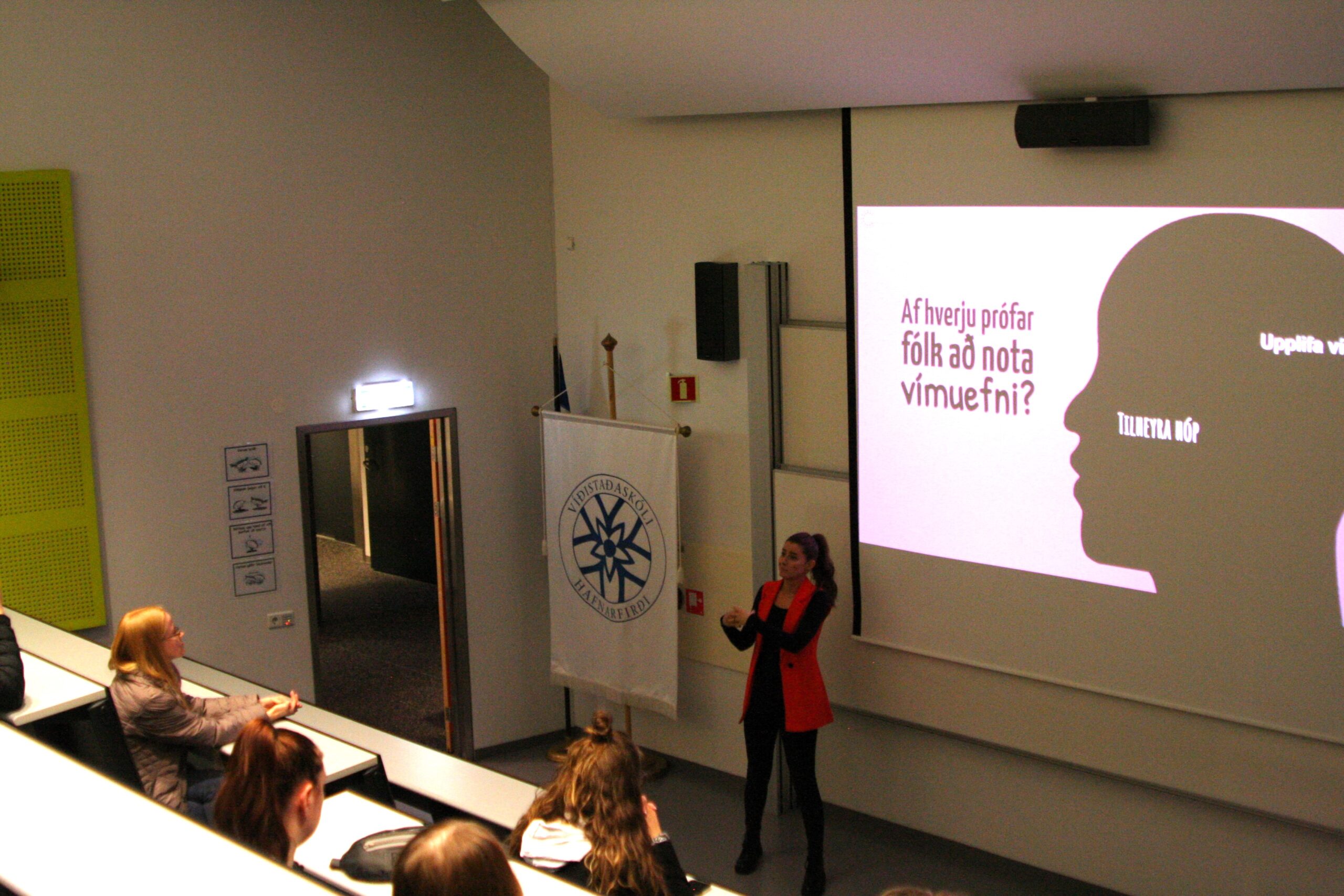
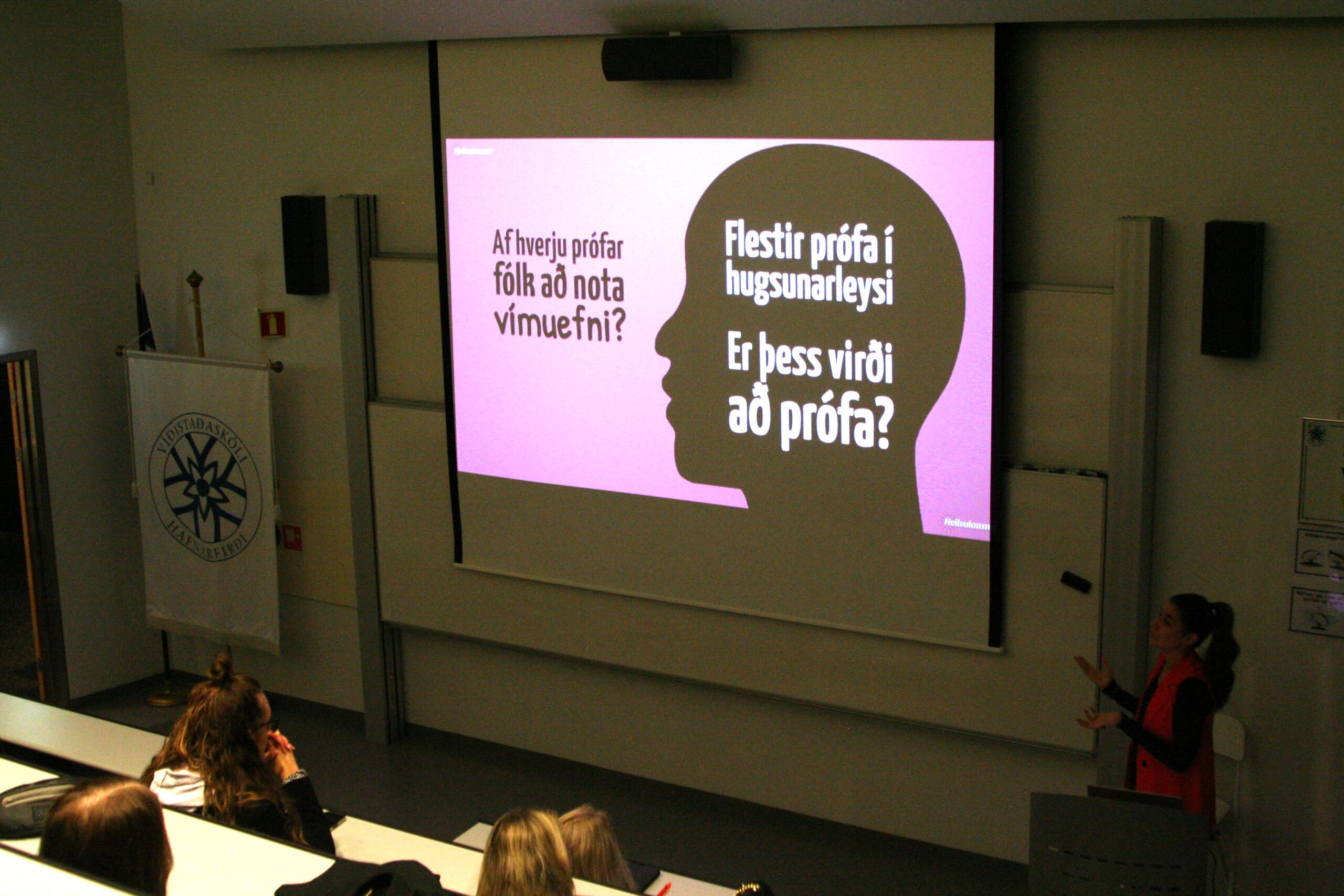
The meeting began with Andrea reviewing how the education is delivered to young people in schools across the country. The preventative education begins with a slide presentation based on the latest research and useful resources, which encourages critical thinking and creates an informative discussion among young people, encouraging them to participate in the conversation.
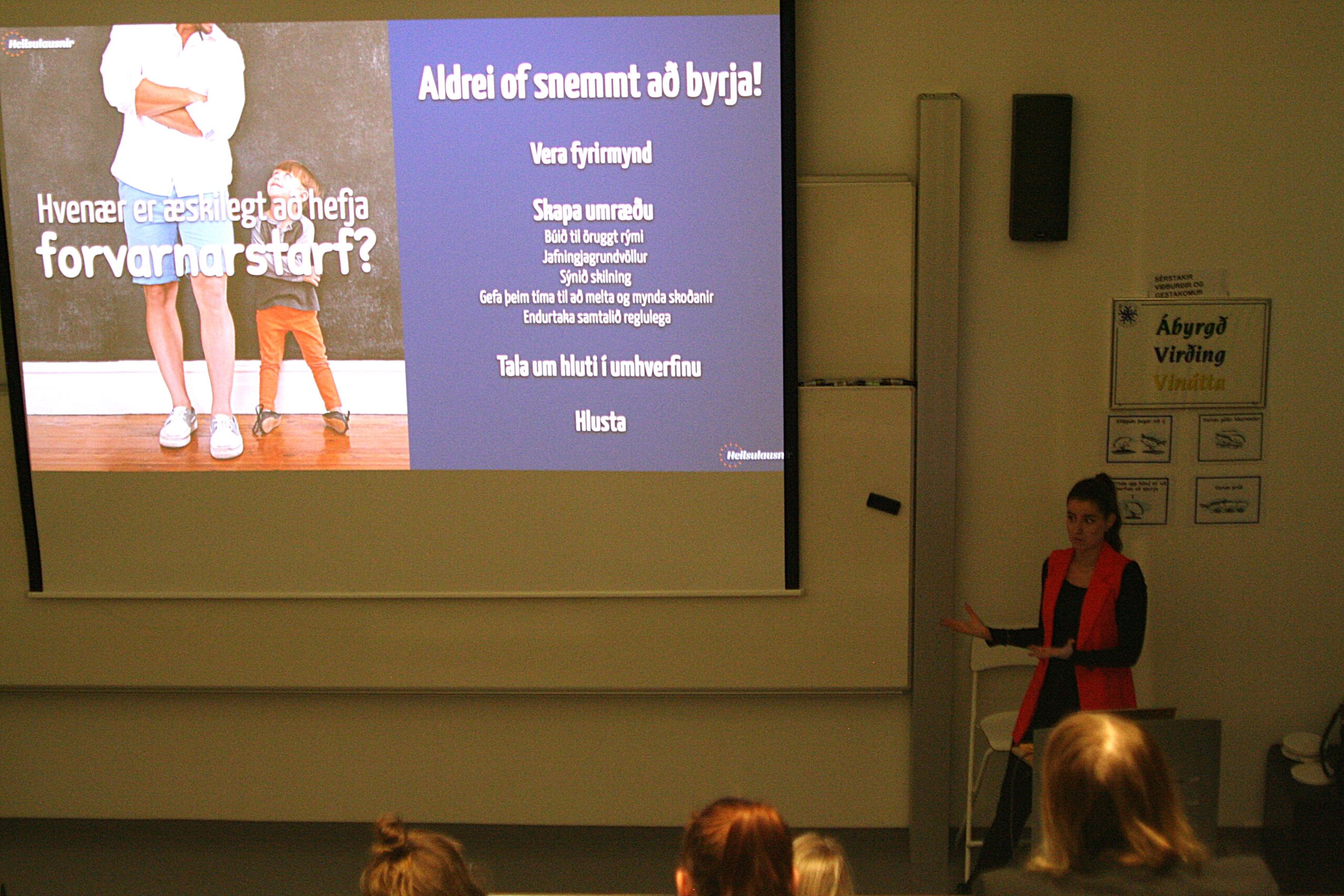
Let's get them earlier
„By introducing safeguarding education earlier into schools, in the first stage of secondary school, we can better reach our young people before they start experimenting.“
Andrea encourages all parents/guardians to be more involved in the conversation about substances and to show respect and caution when consuming alcohol and nicotine around young people. Show good stewardship. But by definition, psychoactive substances are any substances that can cause intoxication and carry addictive risks.
Every year counts! The younger, the worse.
„Young people are particularly vulnerable to the short-term and long-term effects of drugs, as their bodies and organs are still developing. The adolescent brain is not considered fully developed until around the age of 25, particularly the prefrontal cortex, and every day can reduce the chances of a child making a impulsive decision and experimenting with drugs. It is therefore crucial to give the brain the opportunity to develop normally. Drugs permanently alter brain function and increase the risk of addiction and mental illness.“
„There are many risk factors that can lead to substance use. Among these, Andrea mentions, for example; age (young people), biological factors (genetics, sex, sleep quality), mental health (ADHD, mental distress, negative self-image), environment and upbringing (social status, attitudes), and trauma (bullying, violence, neglect).“
„Research shows that young girls are more likely to turn to substances to numb their feelings, whereas boys consume them to fit in with their peer group. At the same time, boys generally feel more support from their families than girls do.“
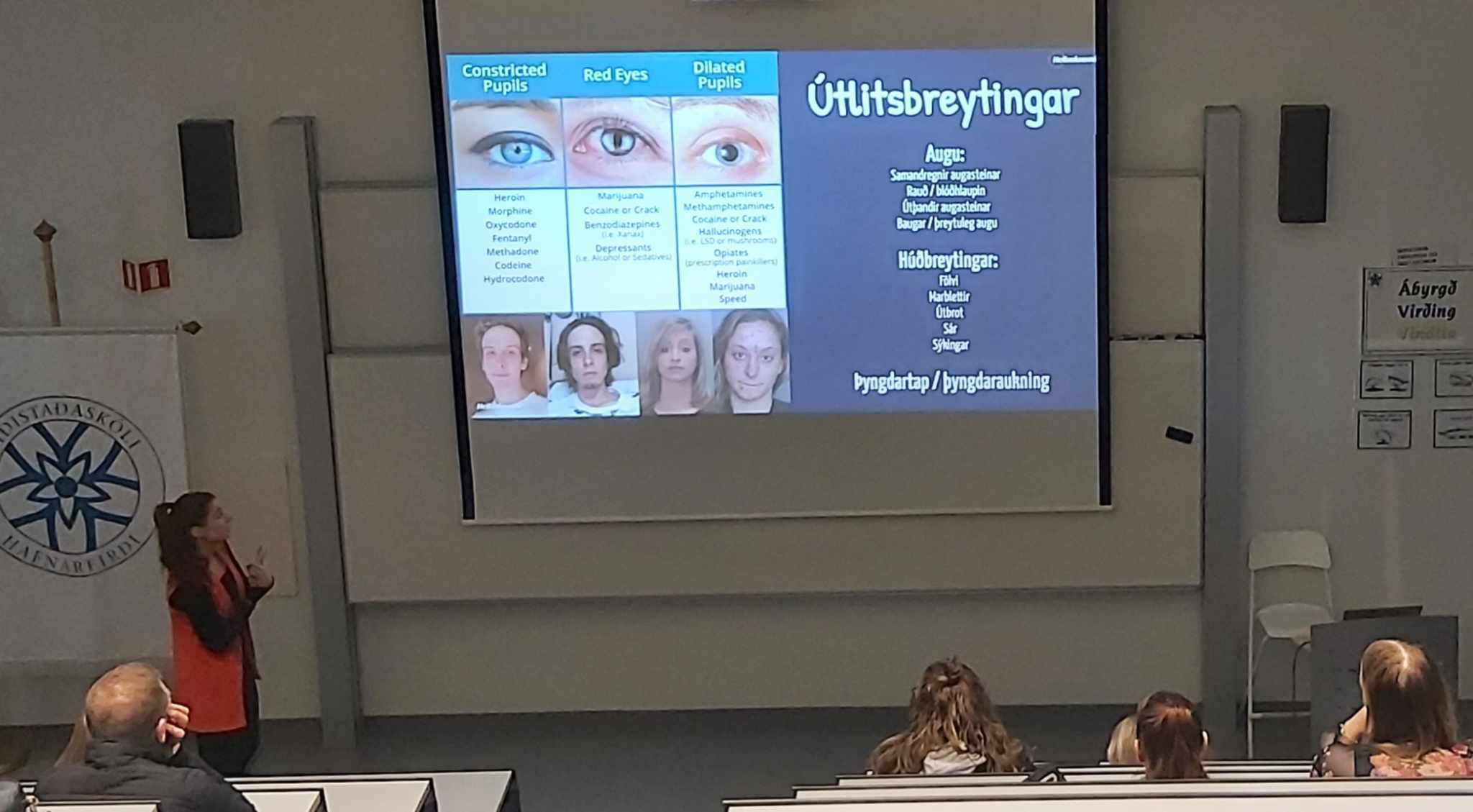
The signs of use are similar to typical teenage behaviour.
Andrea also went over the main signs (physical and mental) of substance use that parents/guardians should be on the lookout for. She notes, however, that many of the signs are similar to the behaviour of a typical teenager. It is then worth seeing if the changes seem to be happening rapidly and looking into the matter further by talking to the child or young person.
„Social signs can include, for example: poorer school attendance, lower grades, a poor attitude towards their studies/school, new company that includes „invisible friends“, whom the parents have not met before. A child who is normally sociable and open can start to shut themselves off, lose interest in things they previously enjoyed, and even show support for various resistance movements.“
„Physical symptoms can be; clumsiness (worse coordination, balance), tremors, clammy hands, physical complaints (often vague and recurrent).“ Andrea says various methods are used to conceal physical symptoms, including the use of eye drops, make-up, sunglasses and pulling hair or a hood over the face.
„Mental symptoms can be; depression, lack of concentration or memory impairment, changes in sleeping patterns, constant fatigue or lethargy, slurred speech.“
„Signs of substance use also manifest in changed behaviour, such as irritability, anger, aggression, personality changes, neglect of personal hygiene, carelessness or disregard for rules (dishonesty, criminal tendencies).“
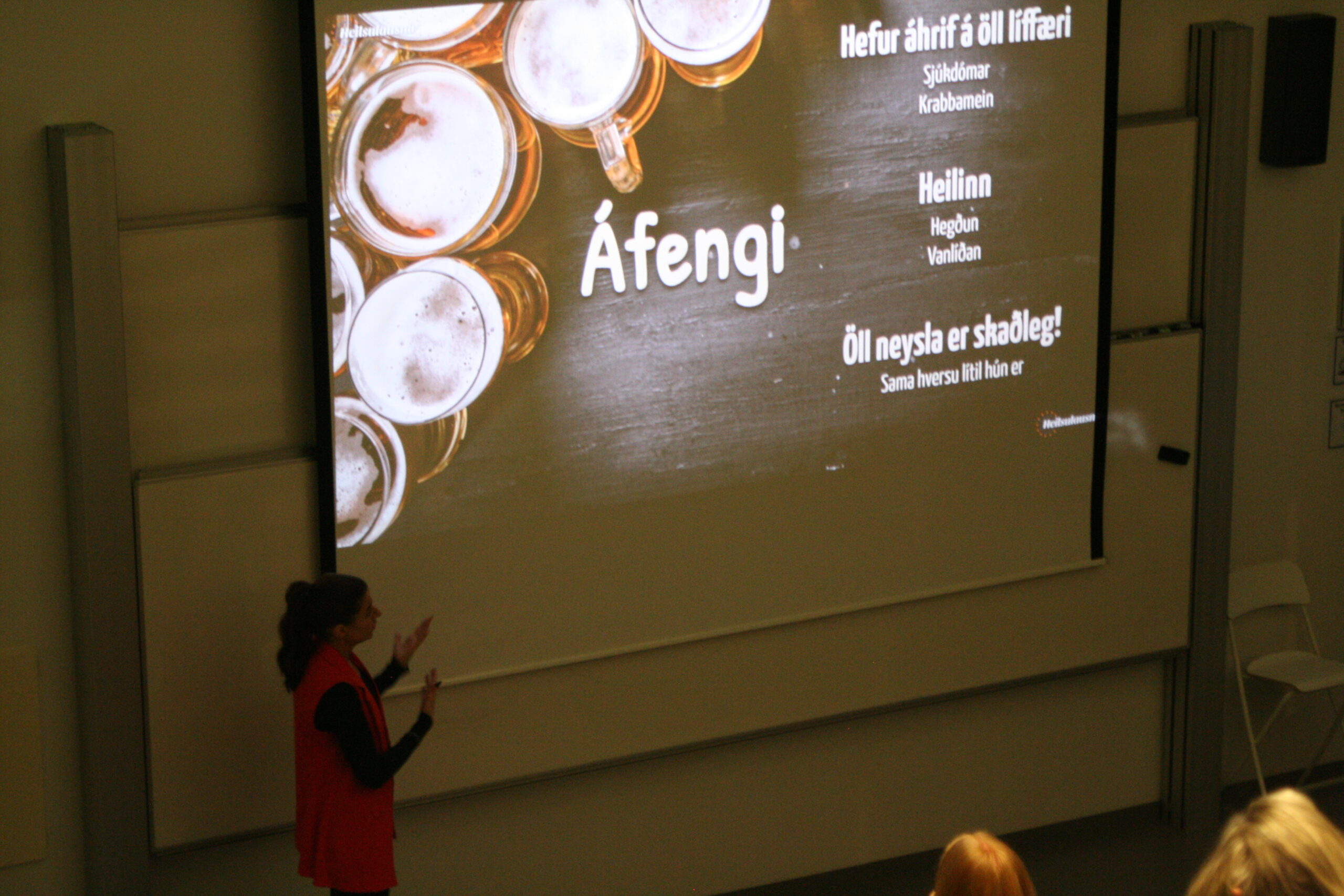
All consumption is harmful, no matter how small it is!
„Alcohol is the most widely used psychoactive substance in this country, as it is a legal psychoactive substance, just like nicotine. Alcohol affects all the body's organs, including the brain and therefore behaviour and mood, but can also lead to the development of diseases and cancer.“
„There are mixed opinions among young people regarding cannabis use, as the discussion about the substance, including for medicinal purposes in creams and oils, is varied, and it is therefore easy for young people to misunderstand the information. Use of the substance can impair young people's intelligence by up to 10%. Young people who use cannabis are five times more likely to develop anxiety disorders and depression, while the latest research also links a higher risk of suicide to its use. It can take many weeks for the body to clear the substance, during which time it can build up and lead to serious organ failure, such as heart attacks and strokes. Even more people are entering treatment for cannabis use.“
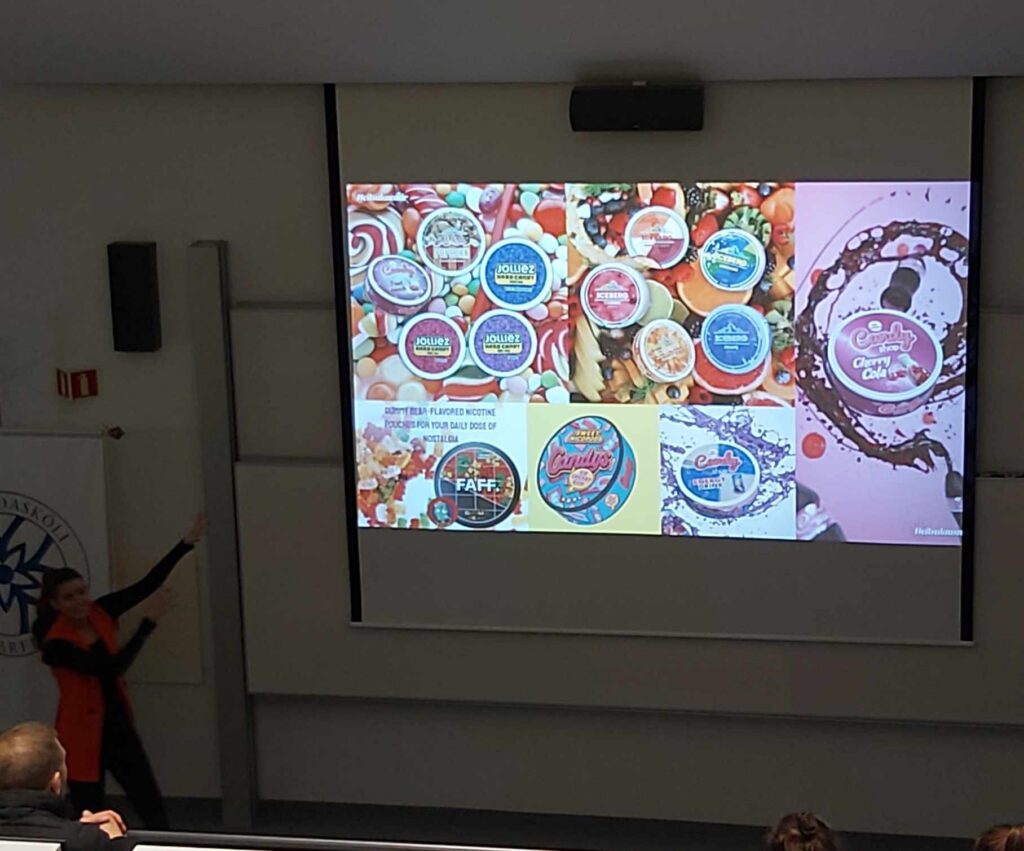
„Nicotine pouches are the most popular nicotine product in Iceland. But nicotine was originally marketed to help people quit smoking, yet it has evolved to the point where young people who have never smoked are starting to consume the substance. This is also reflected in the marketing of nicotine pouches and e-cigarettes (vapes), which often appeal to young people with a variety of sweet flavours and colourful packaging. Meanwhile, those who want to use the pouches to quit smoking are more likely to buy mint-flavoured ones. There are also e-gift cards that allow young people to buy the product online without identification. However, more advertising campaigns have been introduced to the market that make it easier for parents and young people to access nicotine education, such as Intolerable.is.“
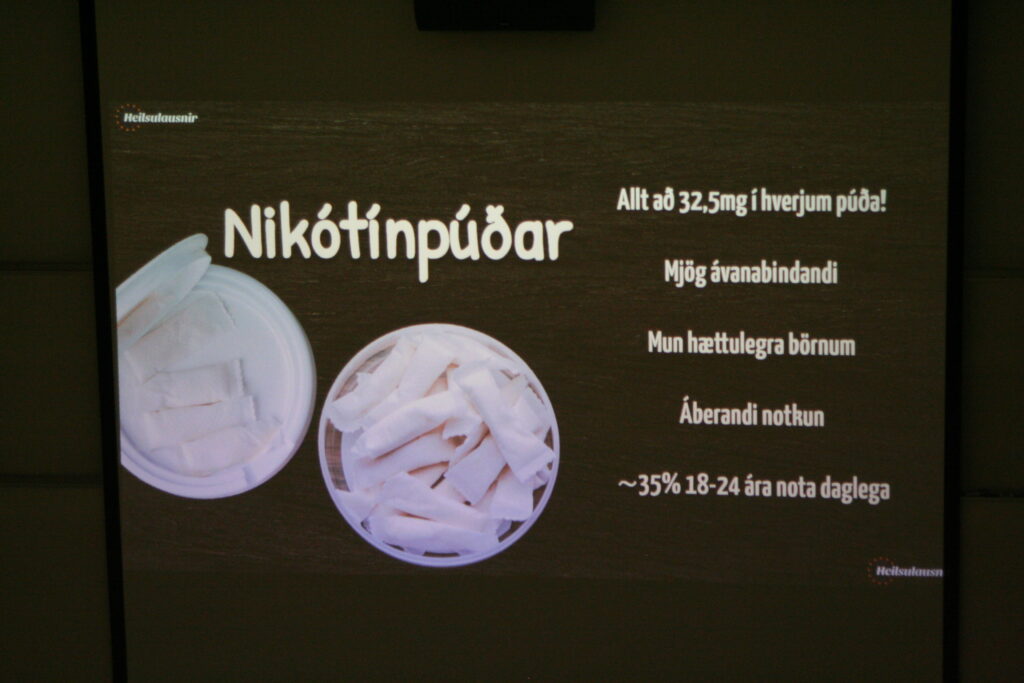
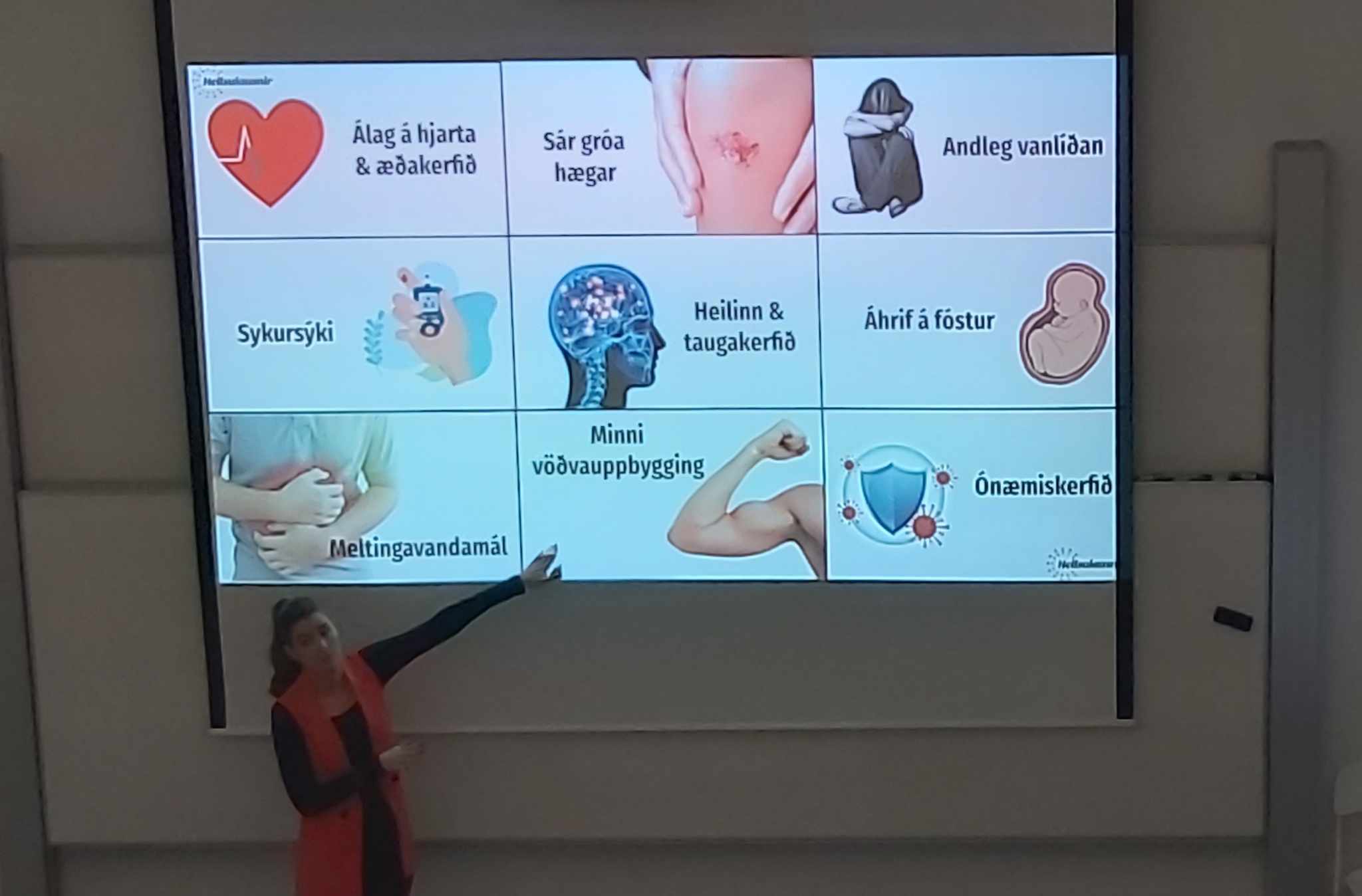
„Just like other addictive substances, nicotine has a major effect on health, and the higher the amount, the worse it is. Nicotine from e-cigarettes (vaping), and particularly nicotine pouches (which contain higher amounts of nicotine), affects the cardiovascular system, digestion, mental health, muscle building, the development of diabetes, the reproductive system, the foetus, and the immune system.“
„The amount of nicotine in pouches, compared to cigarettes, is many times higher. Therefore, there is a higher risk of nicotine poisoning when using pouches. On average, there are about 10 mg of nicotine in each pouch, but legally they can contain up to 20 mg per pouch. For comparison, there is about 1 mg in each cigarette. Around three to four children are admitted to hospital each week due to nicotine poisoning.“
Latest figures from the Icelandic Youth Survey
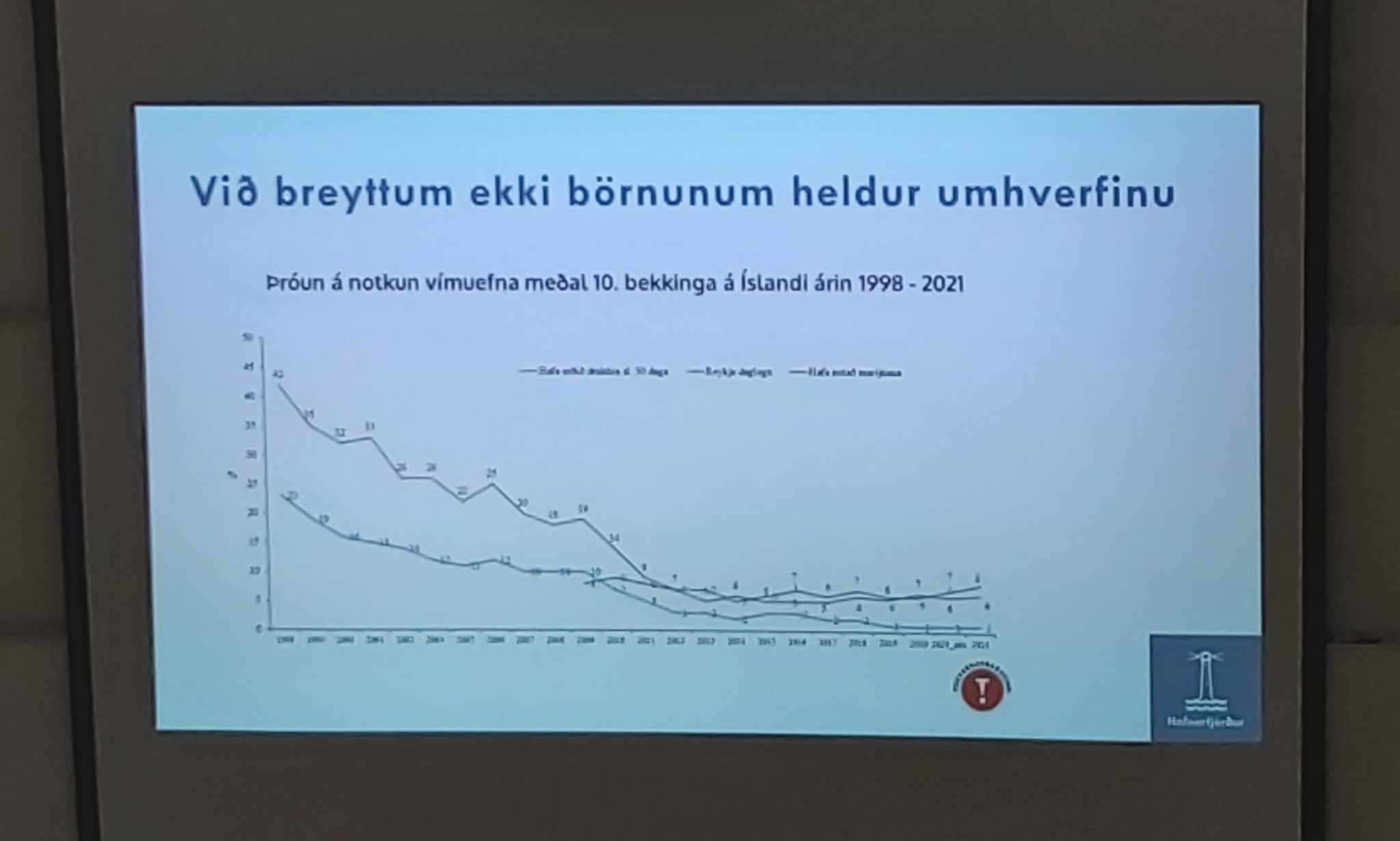
At the end of the meeting, Stella Björg Kristinsdóttir, Manager of Leisure Activities and Prevention for the City of Hafnarfjörður, reviewed the results from the latest Icelandic Youth Survey (spring 2024) on substance use among Icelandic young people in grades 4 to 10. It was revealed, among other things, that just over 10% of Year 10 pupils have drunk alcohol in the last 30 days, Nicotine pouch use was as high as 71% and up to 17% of young people in Year 10 have used e-cigarettes in recent months.
„However, the figures also showed significant progress in preventative measures here, as can be seen below, Icelanders have achieved good results in recent decades, partly through a campaign against cigarette (tobacco) and alcohol consumption. It is also worth mentioning that around 800 young people came together at the Grunnskólahátíðin earlier this month and had a fantastic time without any drugs or alcohol.“
What can parents do?
- Talk to the child, build trust and a close relationship, help the child to talk about their feelings, then they are less likely to try to numb them.
- Know their children's friends and parents. Older generations are more likely to search on a search engine like Google, while younger ones are more likely to seek advice from their circle of friends.
- Take part in parent activities, get to know each other better and show solidarity, attend parents' evenings, parent walks, class evenings, be on the parent-teacher association committee or a class representative.
- Remind them of the rules for being outdoors, set boundaries and respect them.
- Use apps that allow us to monitor smartphone usage, which apps are most used by the child, and to apply a filter to media.
- Speak openly and honestly about the risks of using alcohol and other drugs.
- Do not buy alcohol for underage children, do not allow unsupervised parties, parental supervision reduces teenage drinking
- Use services such as Bergið Headspace, the health centre, the parents' house, social workers, the child protection committee, the Heilsuvera online chat, SÁA and 112 in emergencies.
- On the 1700 helpline, nurse practitioners are on duty; there is also a dedicated team that helps people to stop using nicotine.
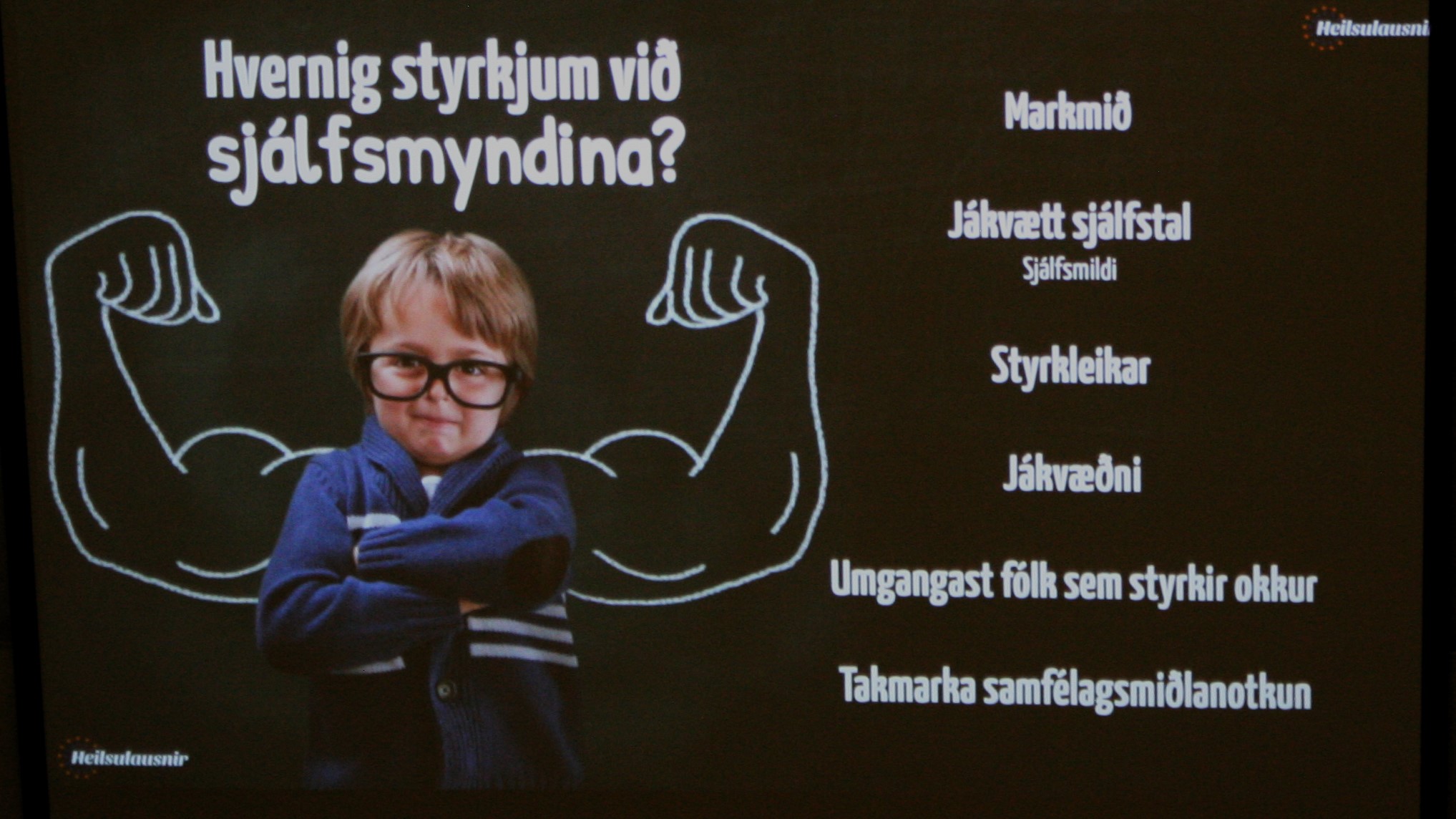
Talk nicely to yourself
„One of the best forms of self-defence is a strong sense of self. Speaking kindly to yourself, finding your strengths, focusing on what makes you unique and enjoying it. Practising seeing the positive in every situation. But you look after yourself better if you feel good,“ says Andrea.
Let's have a chat and learn.
„Research shows that children who spend more time with their parents rate their mental well-being as better.“ (Rannsóknir og greining 2022). All schools have access to the Icelandic Youth Survey, and using the statistics for each individual school can provide an opportunity for students to receive more tailored education. For example, if teachers, parents or students notice a higher frequency of alcohol consumption within the class, but less so with smoking, it would be possible to arrange a preventative education programme that focuses more on alcohol consumption.
This meeting was part of a series of meetings by the City of Hafnarfjörður and the Healthy City of Hafnarfjörður on the issues concerning children and young people, their well-being and safety. The more we strengthen our dialogue with our young people, the more effective our preventative measures will be.