
Developmental Fun – Empowering refugee children of preschool age
Refugee affairs specialists at Hafnarfjörður municipality, together with occupational therapists, worked on the 'Throskafjör' project for refugee children who have applied for protection but are not immediately able to start nursery school. Þroskafjör was one of the projects nominated as a UNICEF Iceland Model Project in 2023.
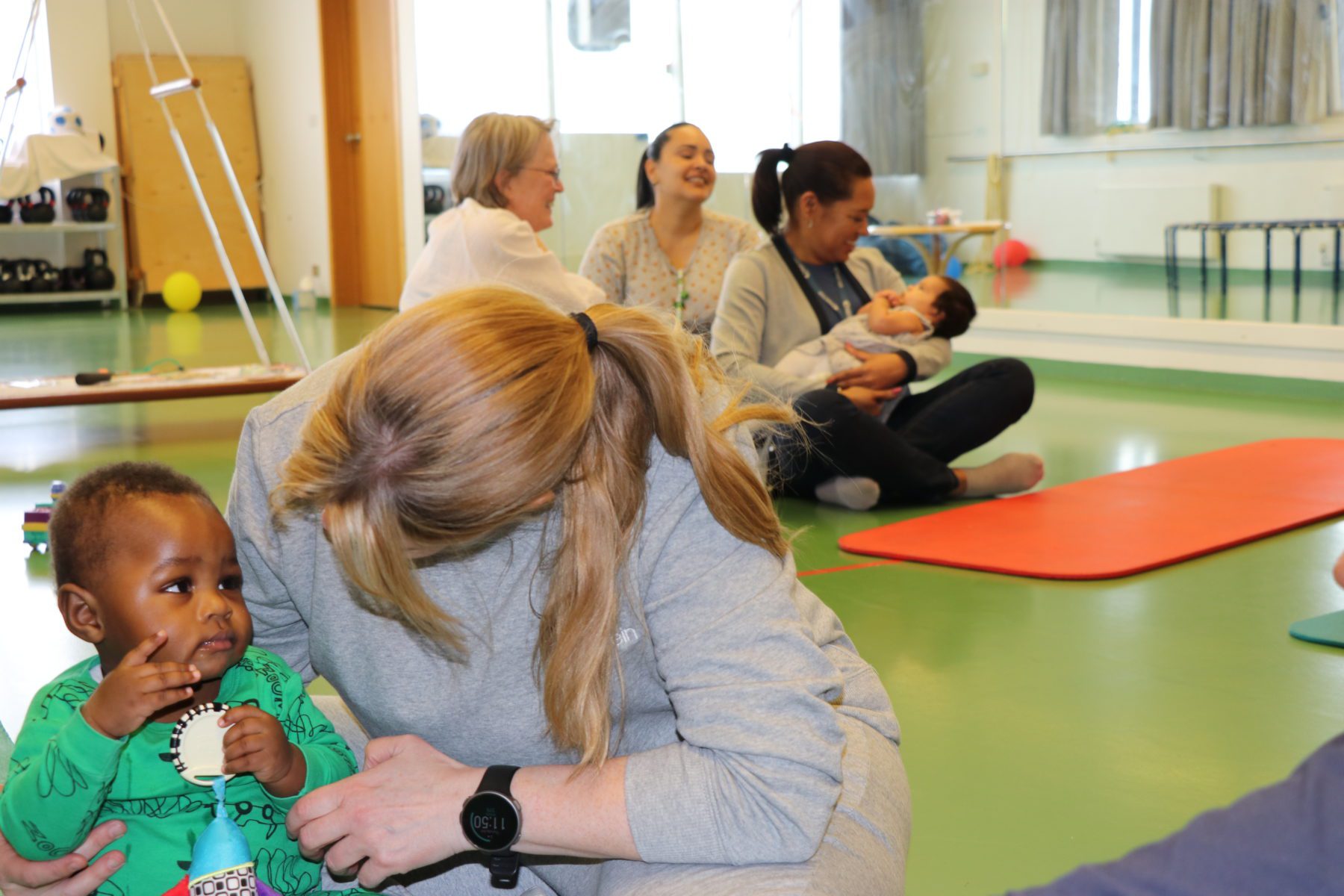
Refugee affairs specialists for the City of Hafnarfjörður, together with occupational therapists, worked on the 'Developmental Fun' project for refugee children who have applied for protection but are not immediately able to start nursery school. The aim was to provide them and their parents with developmental-enhancing teaching and playtime sessions at the Sports Hall on Strandgata. The emphasis was on enhancing their school readiness and also on screening for any potential developmental or skill-related delays, thereby helping them to be referred to professionals sooner. Children living in socially and financially disadvantaged circumstances can develop developmental delays, as their upbringing has not been sufficiently stimulating. Developmental Fun was therefore conceived as a preventative measure against this. The aim was to develop and enhance the school readiness of young children, under the guidance of occupational therapists Svala H. Sigurðardóttir and Hrefna Karonina Óskarsdóttir, as well as to screen for developmental delays in order to intervene as early as possible and refer children to professionals where necessary. The Development Play of Hafnarfjörður was one of the projects nominated as a UNICEF Iceland model project.
It is important that children feel safe and cared for.
In the early years of a child's life, it is important to lay the foundations for their good health, well-being and development. To support healthy upbringing, the social and emotional needs of the children must be met and an education that is appropriate to this must be provided.
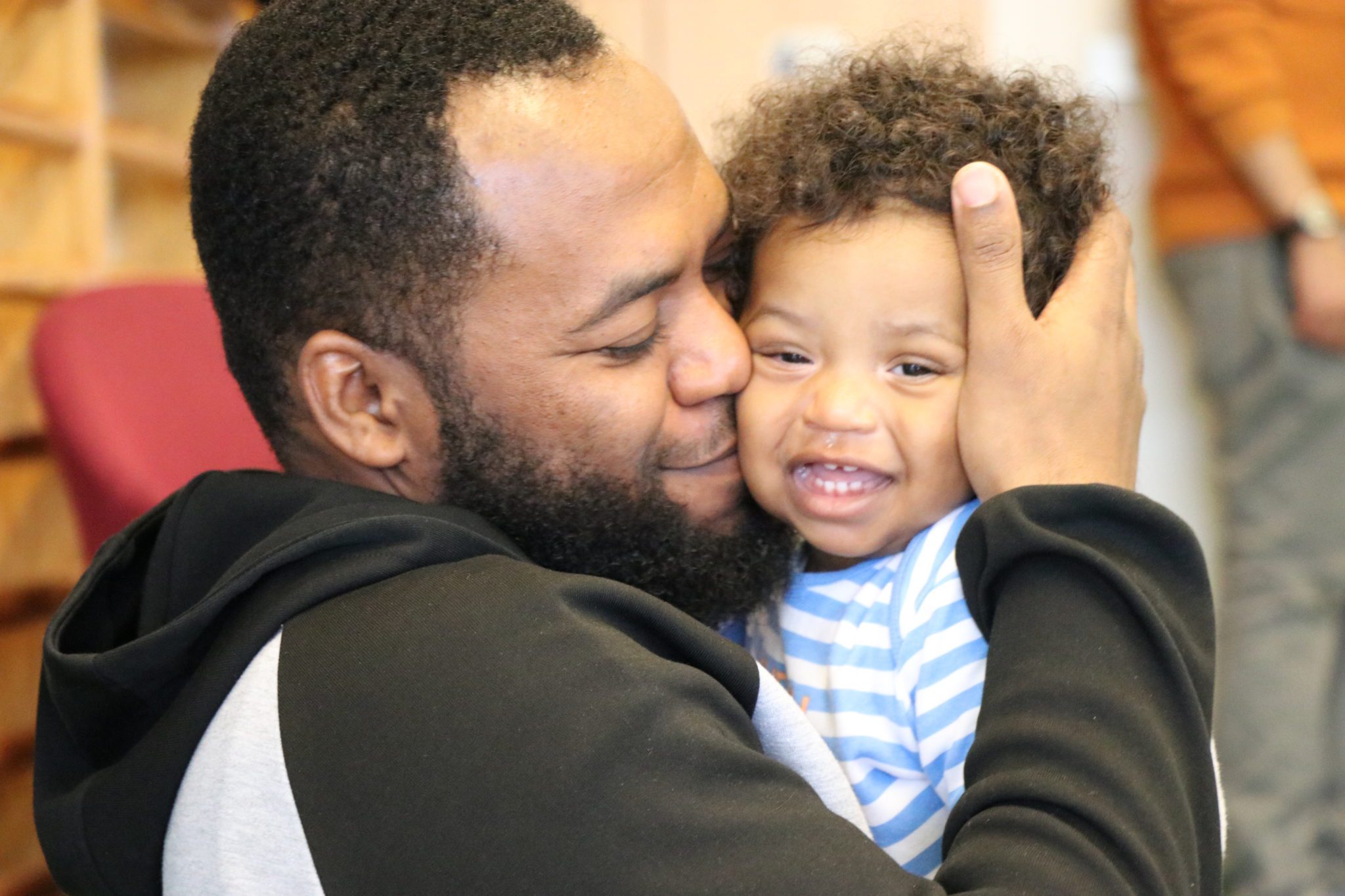
A home where children feel loved and safe, and can spend quality time with their family, are also important factors for a healthy start in life. The environment of children fleeing their home country, stays in refugee camps and unpredictable situations, often impairs their ability to develop normally. Research has shown an increased likelihood of behavioural, attention and social problems among refugee children. When families have spent a long time in exile and/or access to healthcare in their country of origin has been limited, developmental assessments and interventions for children are often overlooked.
Parents also often lack knowledge of the systems and support available, as well as differing cultural attitudes towards disability and developmental differences. This can lead to children not receiving adequate support in this area. Furthermore, parents' trauma history and their mental health can have a significant impact on their ability to provide children with the attachment, attention and care they need.
It is therefore a priority to break down social isolation and provide children and their parents with support for normal development, thereby preventing any abnormalities. It is important to offer a platform such as Throskafjör, where children who are already delayed in their development or have some form of disability can access specialists. This initiates a diagnostic process that offers the opportunity for the children to develop the fundamental skills required, in line with their peers.
Grouped by age and needs
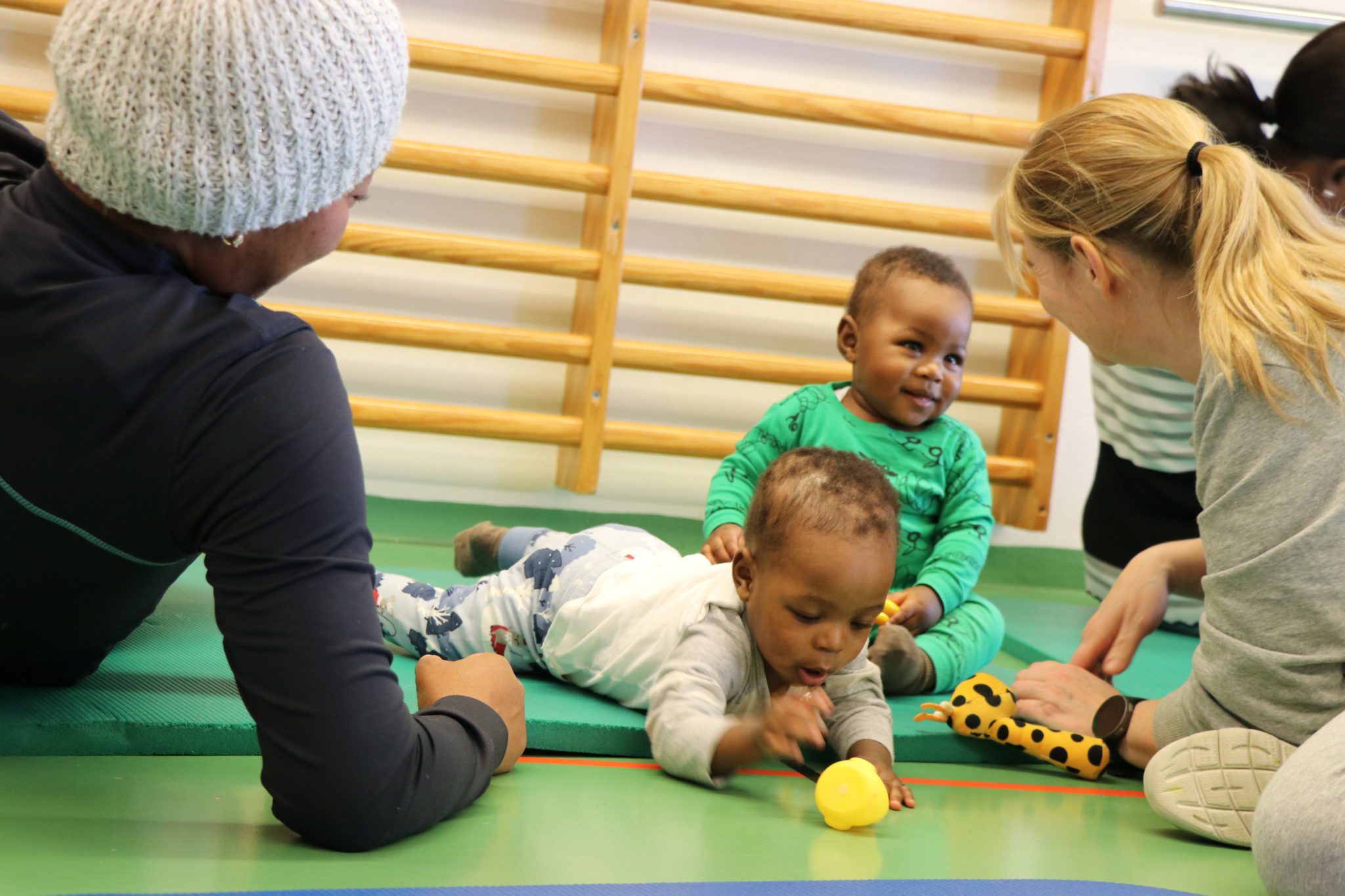
The younger group in 'Throskafjör' was for children aged from birth to two years. Parents attended with their children, had a good time together and strengthened their bond through singing, massage and sensory games. Occupational therapists were also on hand for parents, to provide information about each child's developmental progress and how they could encourage their stimulation and development in daily life.
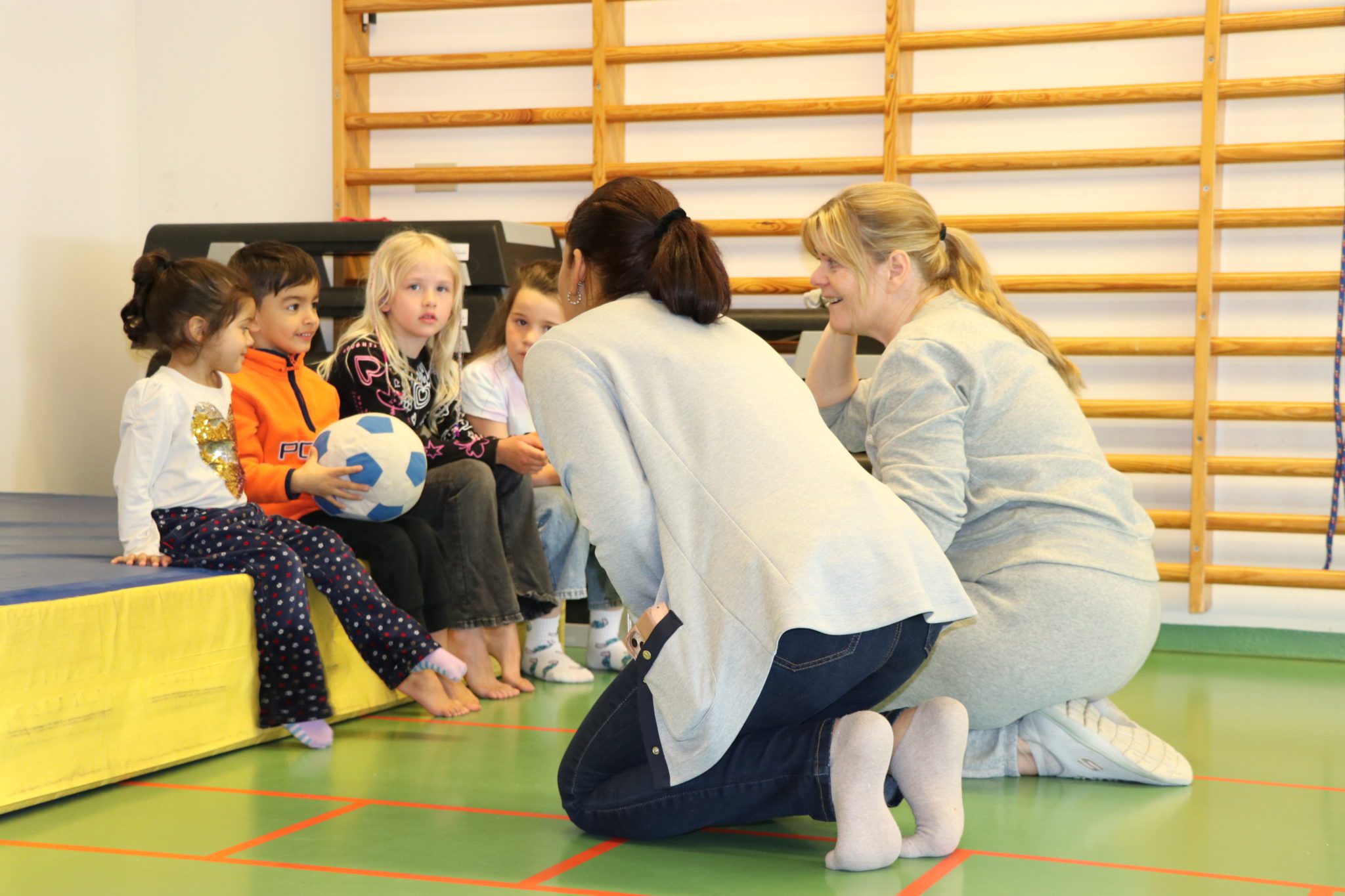
The older group was for children aged two to six, who were divided into groups of five to six children, according to their needs and abilities. Initially, the parents attended with their children, but they then gained more independence with each session. The sessions were divided into gross and fine motor skills, relaxation and logical thinking in an organised environment that encouraged everyone to participate. It was a place to try out new movements and sensory experiences.
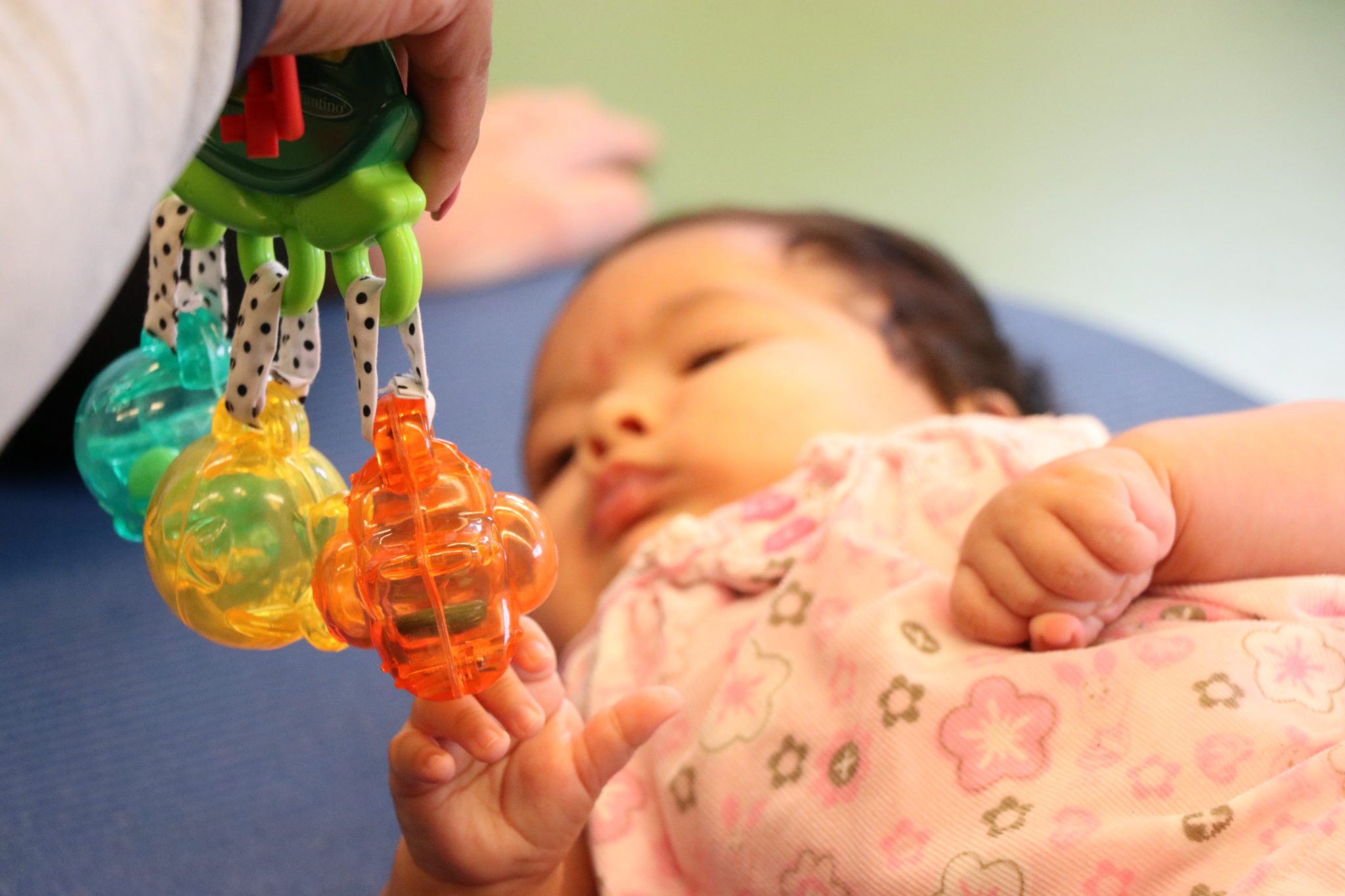
Twice a week for ten weeks
Development Fun ran for 10 weeks and great progress was made in improving the school skills of the children who took part. Although many of the children did not have the same skills as their peers at the start of the project, a positive difference could soon be seen, and new skills began to flourish for most of the children. This suggested that the children who had previously lived with a lack of stimulation and a shortage of general developmental opportunities in their immediate environment were consequently unable to develop the same skills as their peers.
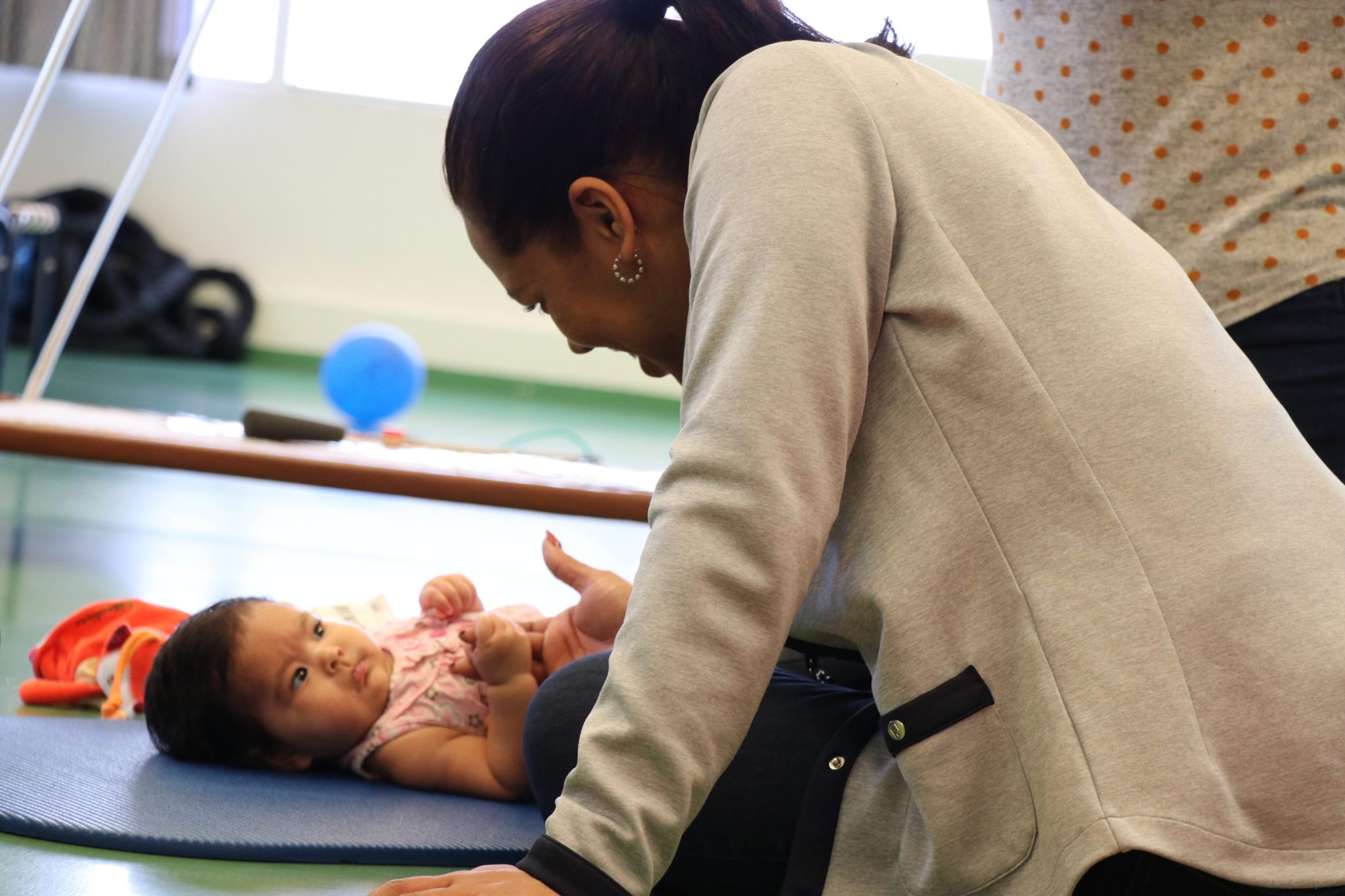
Parents were invited to attend the sessions with their children to support their participation. In addition, interpreters played a key role in the project to facilitate communication, and an effort was made to ensure the same interpreter was used wherever possible.
Great emphasis was placed on the children's communication and cooperation. Consequently, by the end of the project there was a positive difference in how the children participated in group activities. They now find it easier to follow adults' instructions and are better at taking into account their own needs and those of others. Many of them can now wait quietly in a queue, take turns in play, take care when colouring and even write their own names. The children's self-confidence has also increased. With increased stamina, they feel a sense of progress and pride in the milestones they have achieved.
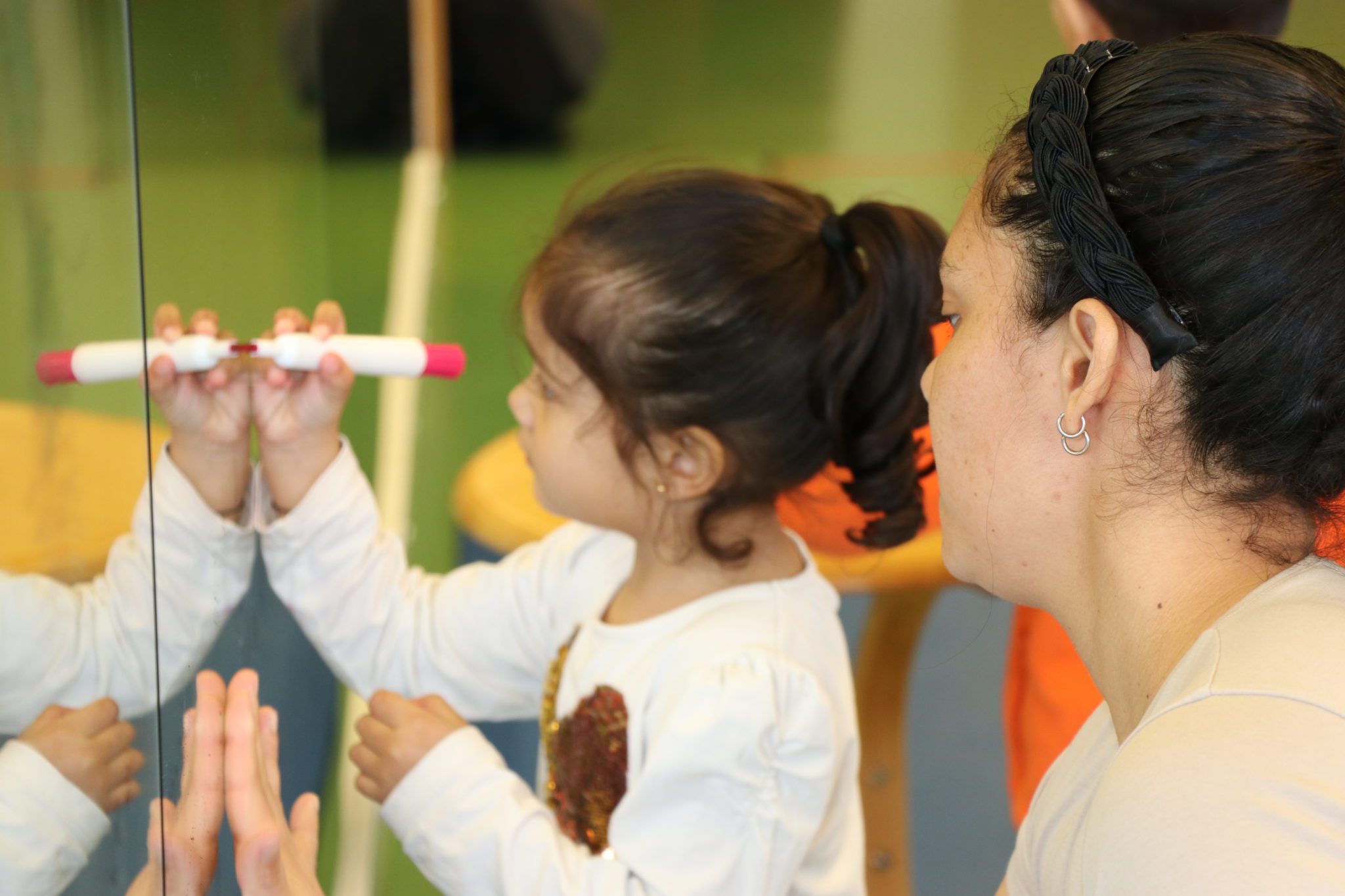
Helping them to adapt to the school system
Receiving information about where children are in their developmental process significantly lowers the barrier that can exist when they enter the education system. This helps them to adjust better when they start nursery and primary school. Furthermore, it makes it easier for school staff to meet the children's needs. The project also proved beneficial for parents. They learnt new methods to better understand their child, form stronger bonds and support them, and in the process, they formed new friendships and a strong support network with other parents. Information about developmental delays in the children was sent to the health service to monitor their progress and to begin the diagnostic process if deemed necessary. These children therefore receive services considerably sooner than would otherwise be the case without the services of Throskafjord. The project achieved good attendance and participation from the children and their parents. The children were given the opportunity to be children, just like their peers, without their backgrounds taking centre stage.
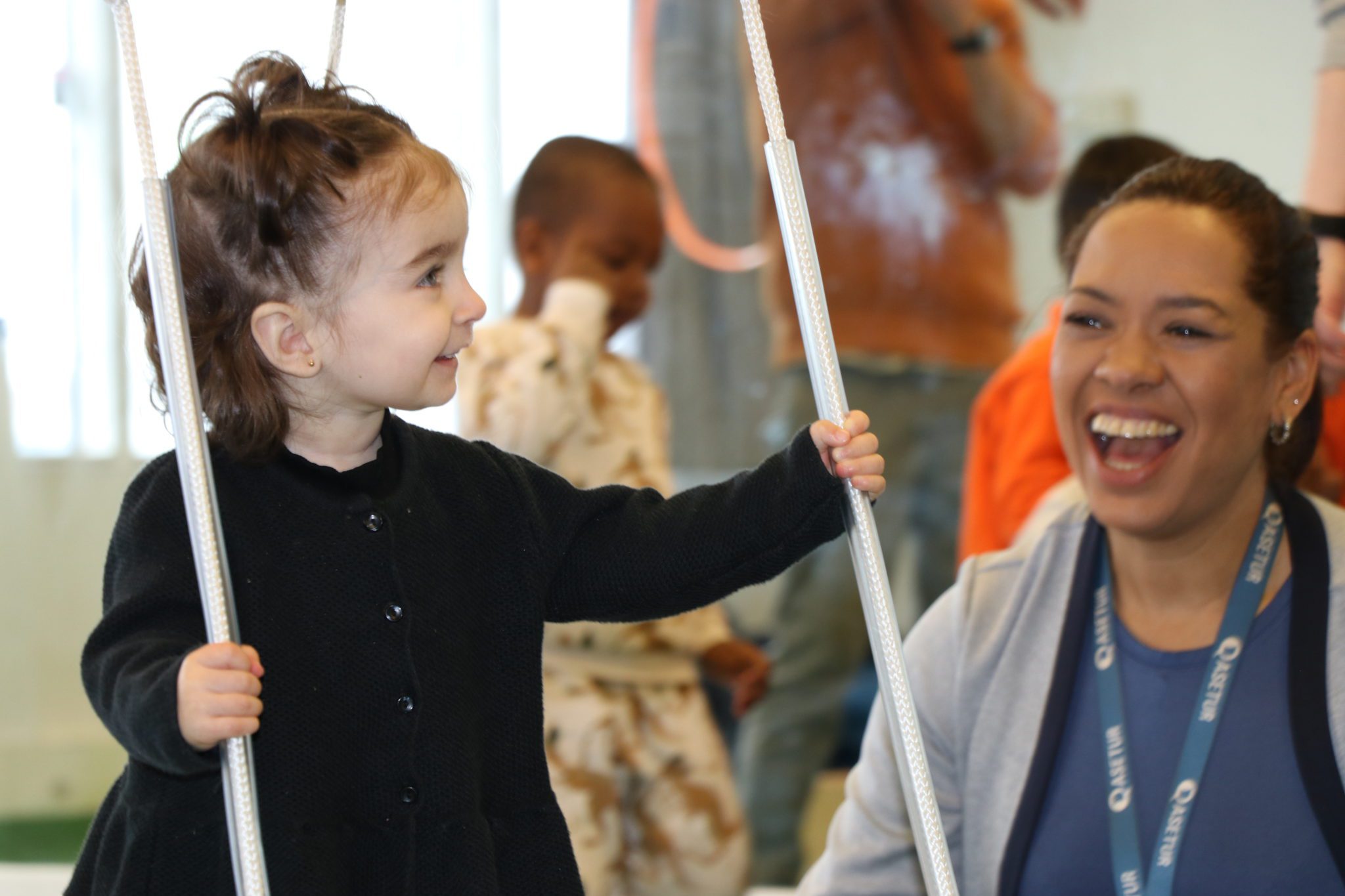
Children's well-being is a priority
Development Support supports the Act on the Well-being of Children and follows the United Nations Convention on the Rights of the Child. First and foremost, the focus is on children and their needs throughout the process (Art. 1 – Definition of a child, Art. 31. Clause – rest, play, culture and the arts) and to serve them in the same way as other children (Clause 2 – all children are equal), with the aim of finding what is in the best interests of each child (Clause 3). Furthermore, the children's parents are also considered, empowering them in their role and in their relationships with their children (5. Gr – family guidance, 18. Gr – parental responsibility). Last but not least, consideration is given to the specific nature of this group (Article 22 – Children in flight) and to those within the group who require additional support (Article 23 – Children with disabilities), assisting them to achieve recovery and better integration into the education system (Article 39).