
Work on the volcanic hazard assessment must be accelerated.
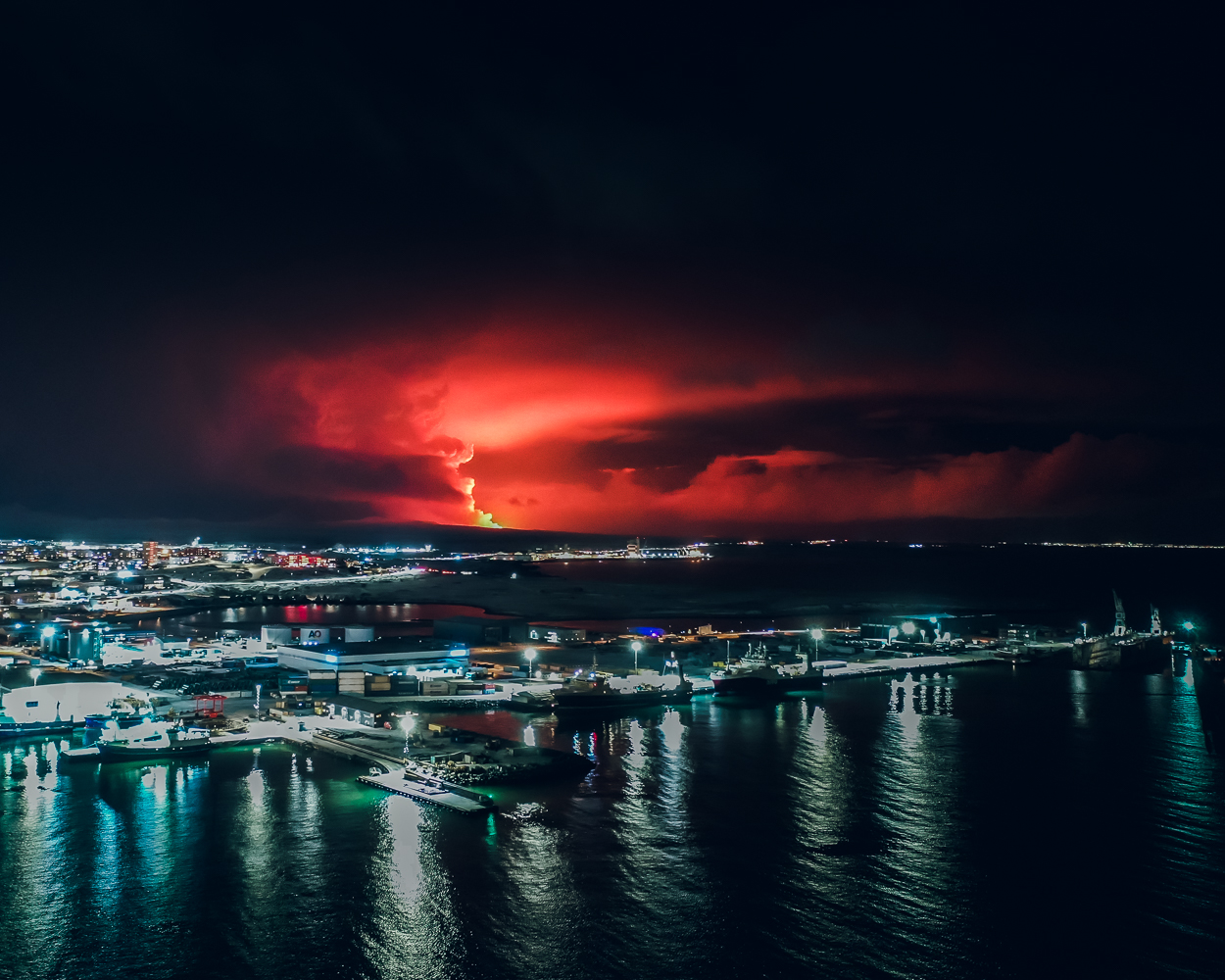
Volcanic eruptions, earthquakes and significant seismic activity are taking place in the immediate vicinity of Hafnarfjörður. It is worth mentioning that should a building or area within the capital region need to be evacuated due to a public safety emergency, there is an evacuation plan for the entire area that can be activated. The Mayor of Hafnarfjörður, Rósa, had an article in the Morgunblaðið newspaper this week about the work being carried out on a seismic and volcanic hazard assessment for the capital region. The hazard assessment is the basis for further action.
Risk assessment is the basis for appropriate responses.
Volcanic eruptions, earthquakes and significant seismic activity are taking place in the immediate vicinity of Hafnarfjörður. The thoughts of the town's authorities and residents are with our friends in Grindavík and across the entire Reykjanes Peninsula. The natural disaster in our own backyard can also foster a sense of insecurity and even unease among residents of Hafnarfjörður and elsewhere in the capital region, who watch somewhat helplessly as nature takes control. It is worth mentioning that should a property or area within the capital region need to be evacuated due to a public emergency, there is a evacuation plan for the entire area that can be activated.
Evacuation plan for the capital region
A guest article from Rósa Guðbjartsdóttir, Mayor
The Mayor of Hafnarfjörður had an article in Morgunblaðið yesterday, Thursday 8th February, where she reviews the work being done on the earthquake and volcanic hazard assessment for the capital region. Risk assessment is the foundation for further action, and judging by the reaction to the article, there are hopes that this work will be accelerated.
Work on the volcanic hazard assessment must be accelerated.
Every day, the media publish the opinions of various experts, both learned and unlearned, on possible scenarios for seismic and volcanic activity and lava flows in the Reykjanes Peninsula and the capital region. Various personal opinions are expressed about countermeasures and how the built environment should develop in the coming years. Fair enough – but inevitably, some of the comments fuel people's fear and uncertainty about the future. However, in planning over the past few decades, comments, demands or suggestions from public bodies or others of this nature have featured less than is the case, for example, with water protection considerations and heritage protection, which often scupper building plans. Furthermore, it should not be forgotten that even lava flows have been able to delay the planning process and development for months and years, without any actual volcanic activity or lava flow occurring. In some cases, however, buildings have been relocated, for instance during the construction of the Árbær swimming pool in Reykjavík when cracks were discovered on the proposed building site, and elsewhere, cracks have been taken into account when planning new neighbourhoods.
Risk assessment is the basis for further response.
The Icelandic Meteorological Institute is currently working on an earthquake risk assessment for the capital region in collaboration with the Civil Defence and representatives of the municipalities. It is expected to be ready this spring. The same parties are working on an eruption risk assessment for the capital region, which is expected to be completed by the end of next year. Now that the threat of an eruption has become apparent with the seismic activity on the Reykjanes Peninsula, it is important that this risk assessment is expedited. Although most experts who have commented on these matters in recent weeks agree that an eruption will not occur within the capital region's built-up areas, certain parts of the region could be threatened by a potential lava flow. It is important for the local authorities in the area to get the full picture as soon as possible, based on a joint assessment and conclusion by public bodies such as the experts from the Met Office and Civil Defence. Only then can the situation be mapped out and countermeasures designed, if necessary. However, no one knows if or when such measures will need to be taken, but it is reassuring that the plan exists. Once the volcanic hazard assessment has been published, it will be clear that the Regional Plan for the Capital Area will need to be adopted. It will then need to be reviewed in light of the findings, potential future construction of defence dykes, and the planned development in the area.
Rósa Guðbjartsdóttir, Mayor of Hafnarfjörður