
Intentionally Wild – when nature is given more space
In certain areas of Hafnarfjörður, nature is given more room to flourish through so-called 'intentional wild management'. The aim is to enhance biodiversity, create better habitats for plants, insects and birds, and allow nature to evolve in its own way where appropriate. This strategy is a conscious one and has been widely implemented by local authorities.
A more diverse and sustainable urban environment
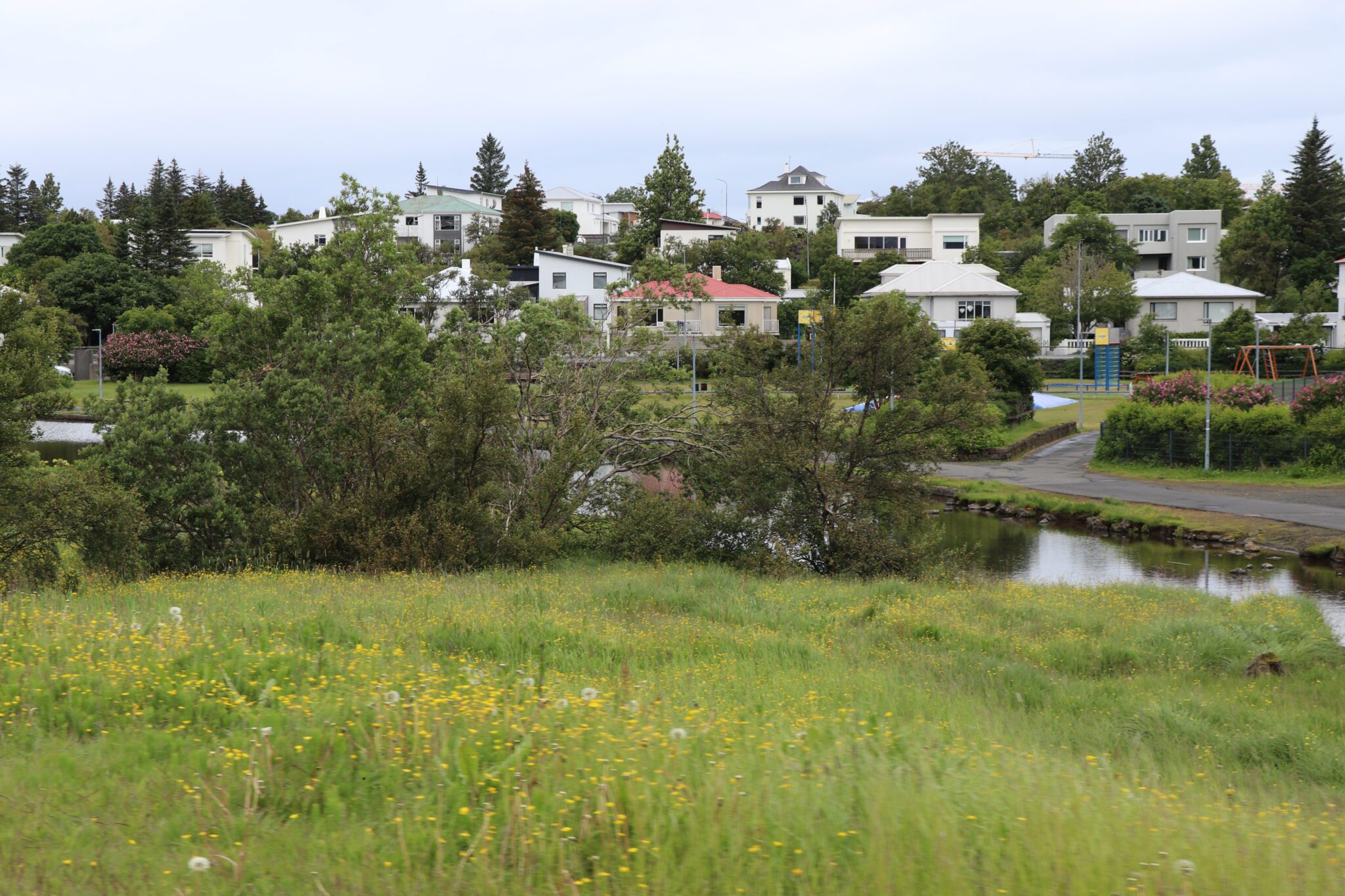
In certain areas of Hafnarfjörður, nature is given more room through so-called 'intentional wilding', which involves either leaving natural areas untouched or allowing nature to take over cultivated areas. The aim is always the same: to enhance biodiversity, create better habitats for plants, insects and birds, and to allow nature to develop at its own pace where appropriate. Among the areas already receiving such management is the back-valley of Hamarskotslækur, where the aim is to maintain the area's natural character as much as possible. This strategy is deliberate and has been widely implemented by local authorities.
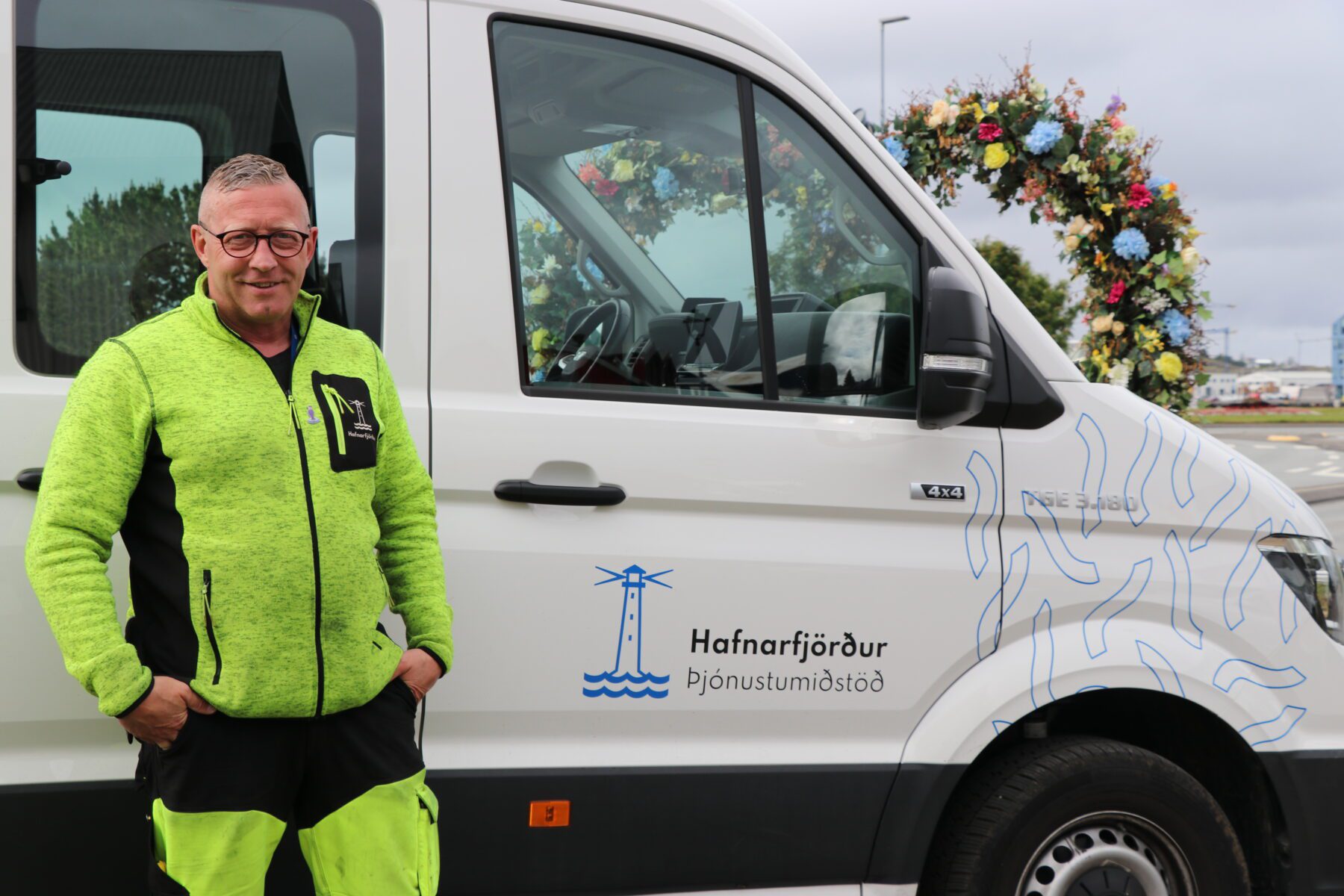
We asked Jóhann Helgi Konráðsson, the Horticulture Foreman for the City of Hafnarfjörður, to tell us about the project.
What does the ideology of „intentionally wild“ entail?
„The idea is simple. We select designated areas where nature is given more room and less intervention. There, we allow wild vegetation, flowers and native plant species to flourish instead of regularly mowing the areas. The maintenance takes into account their natural characteristics and the wildlife that thrives there.“ He says that this will make the environment more diverse and vibrant.
Why is this approach important?
„When vegetation is allowed to grow naturally, it creates better conditions for diverse plant and animal life. Wildflowers, seeds and natural vegetation become a habitat and a food source for bees, butterflies and other pollinating insects, as well as for birds and small mammals. This is a simple way to support nature in urban areas. When grass is regularly mown, the areas become rather uniform. Many native plants then fail to flower or spread, thereby also reducing the food supply for bees, bumblebees and other pollinating insects. The insects are then an important food source for many bird species. By allowing nature to take its course, we strengthen this entire food chain.“
Nature finds its balance
Jóhann points out that experience shows that when nature is given the opportunity to evolve, diversity quickly takes hold. „In some ways, this is reminiscent of wetland restoration. When bogs regain their natural water balance, plants and wildlife that had previously disappeared gradually return. In the same way, we see that when grazing is stopped in certain areas, a greater variety of plants, more flowers, and consequently more life, reappear.“ According to him, this is not only important for the ecosystem but also for the residents' experience. „Flourishing vegetation, butterflies, bees and birdlife make the town's environment more beautiful and vibrant. This is a wonderful bonus that benefits us all.“
Conscious care – not neglect
Jóhann emphasises that 'intentional wildness' is not the same as neglecting green spaces. „This is a conscious decision about how we want to cultivate certain areas. We continue to mow where it matters, for example on playgrounds, in recreational areas, along footpaths and cycle paths, and where safety or accessibility requires it. But in other places, we let natural vegetation flourish. We see an opportunity to increase the number of areas where nature is given more space, as we see an increasing number of local authorities taking this approach. The aim is to find a good balance between well-maintained outdoor areas and places where nature is allowed to take its course.“ He also says that this approach can make better use of the municipality's resources and funds. „There's also an efficiency to this. Instead of expending a great deal of effort on difficult mowing areas that are well-suited to natural development, we can allow them to be deliberately wild and direct our efforts towards the areas we want to cultivate specifically for the residents.“
Where could more areas become intentionally wild?
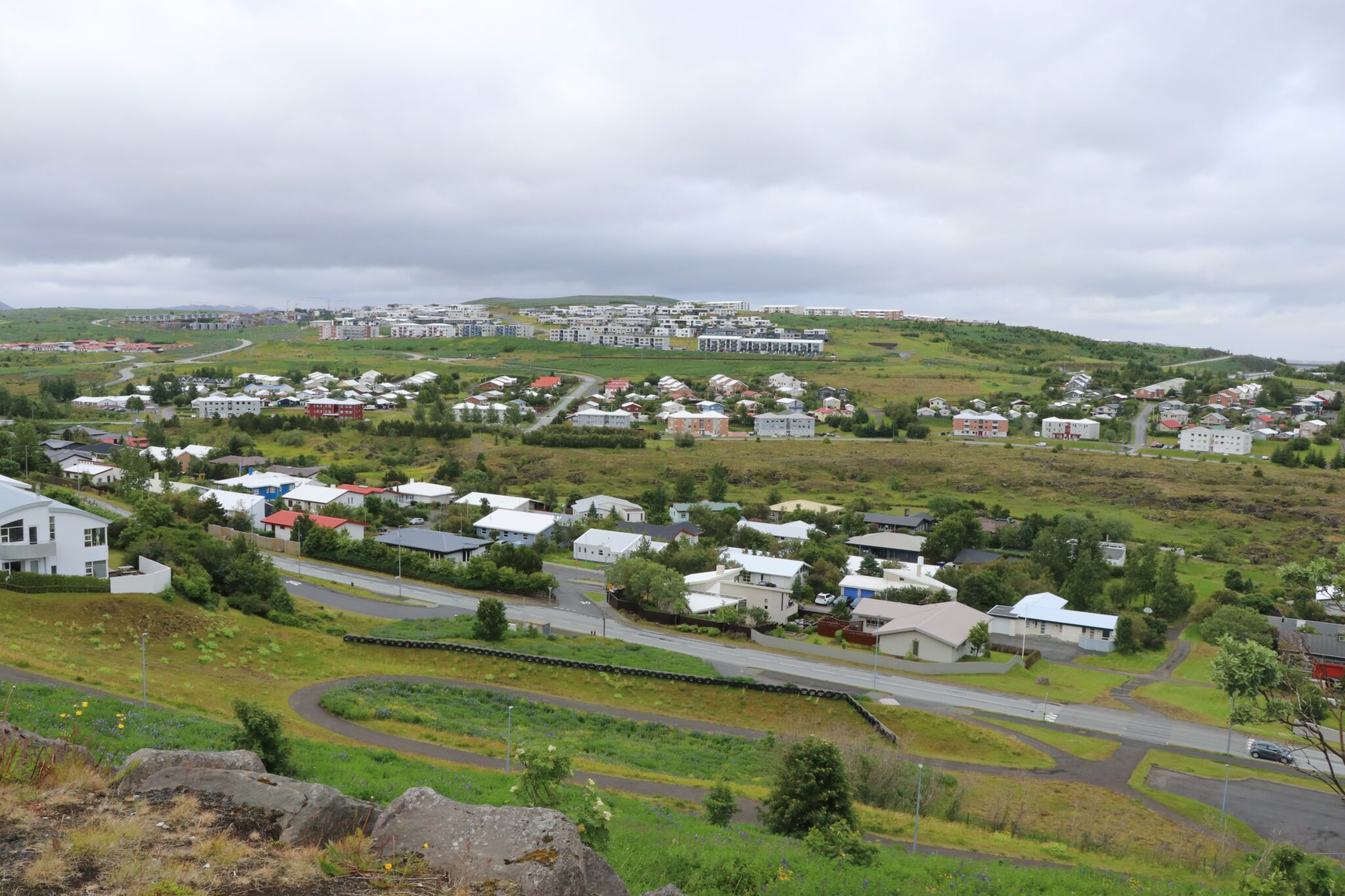
Hafnarfjörður wants to develop the project further in collaboration with residents. If you know of an area that might be suitable for intentional wildland management, we would love to hear from you. You can submit a suggestion via The town's feedback portal. By giving nature more space in selected areas, we contribute to a richer birdlife, more flowers and fruit-bearing plants, increased biodiversity, and an even greener and more beautiful Hafnarfjörður.
„Sometimes the best conservation is to simply let nature be nature.“ says Jóhann Helgi in conclusion.