
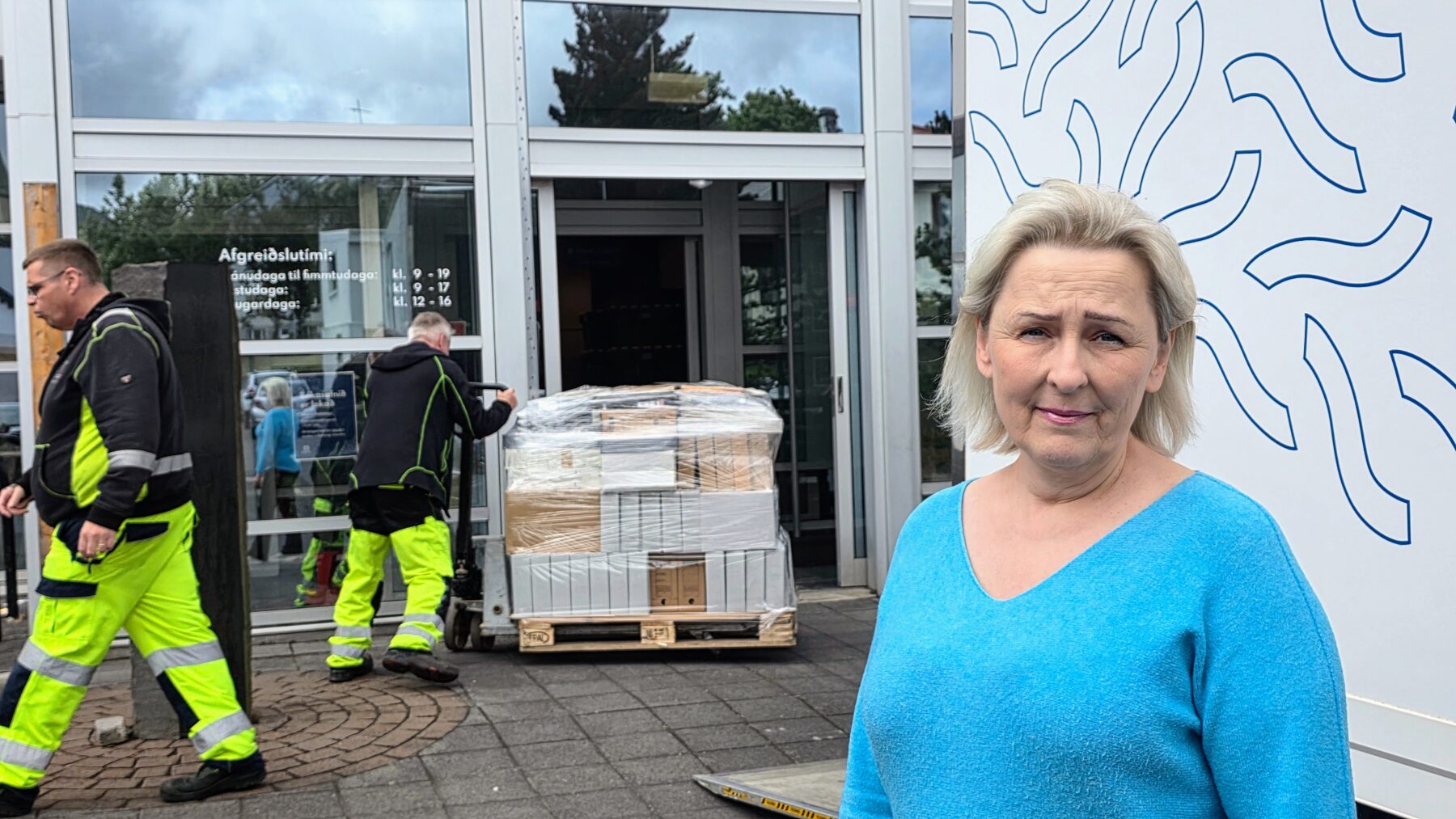
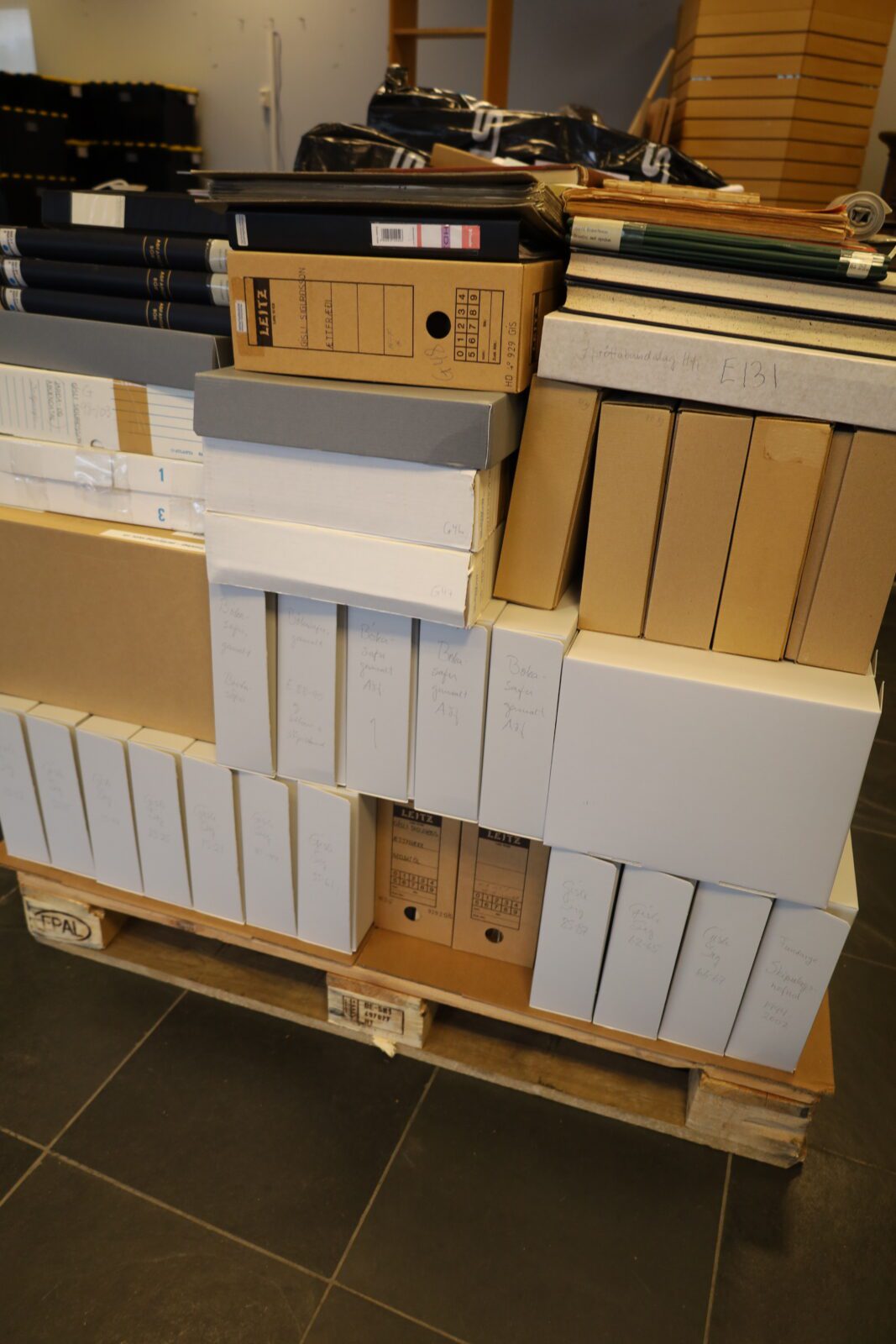
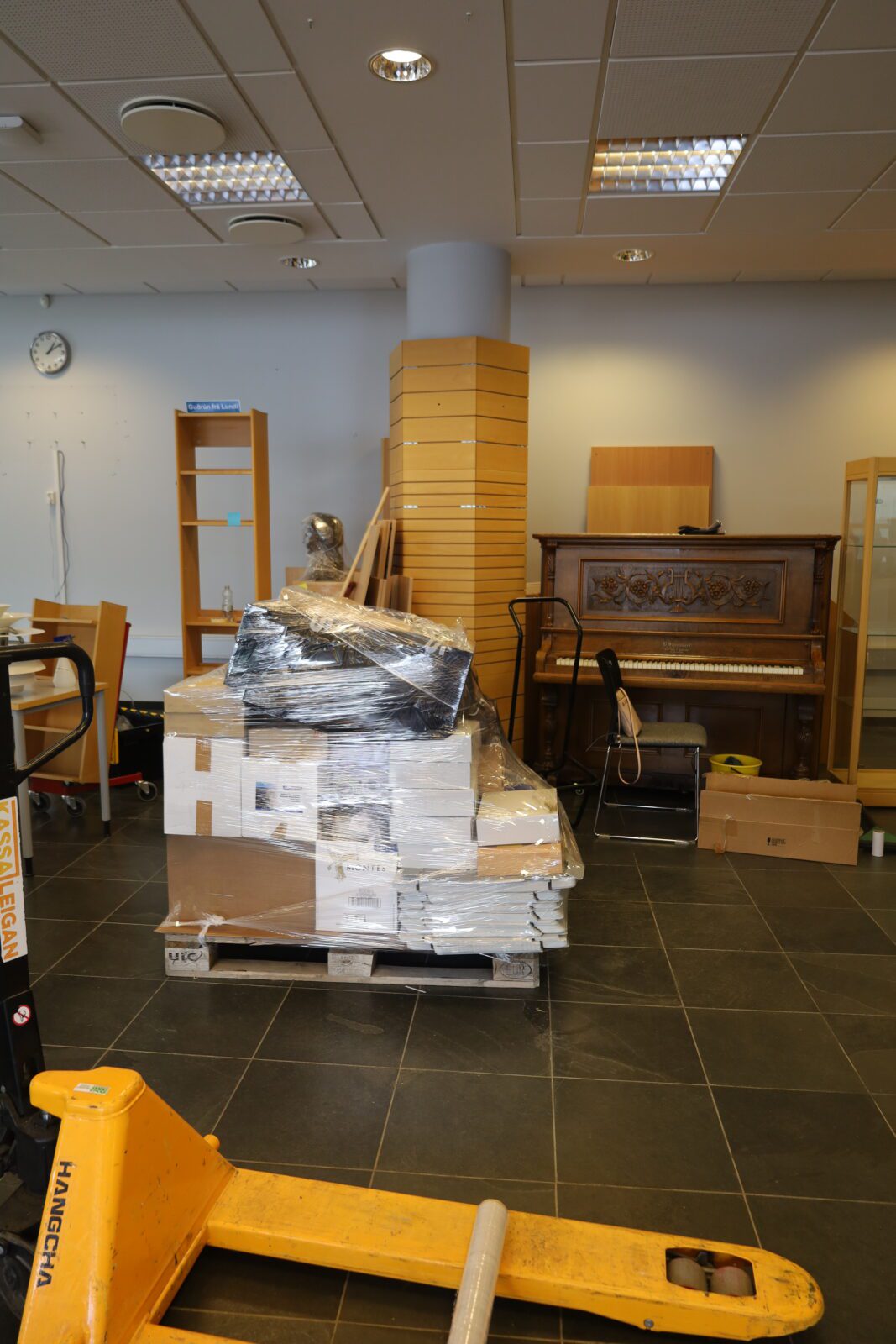
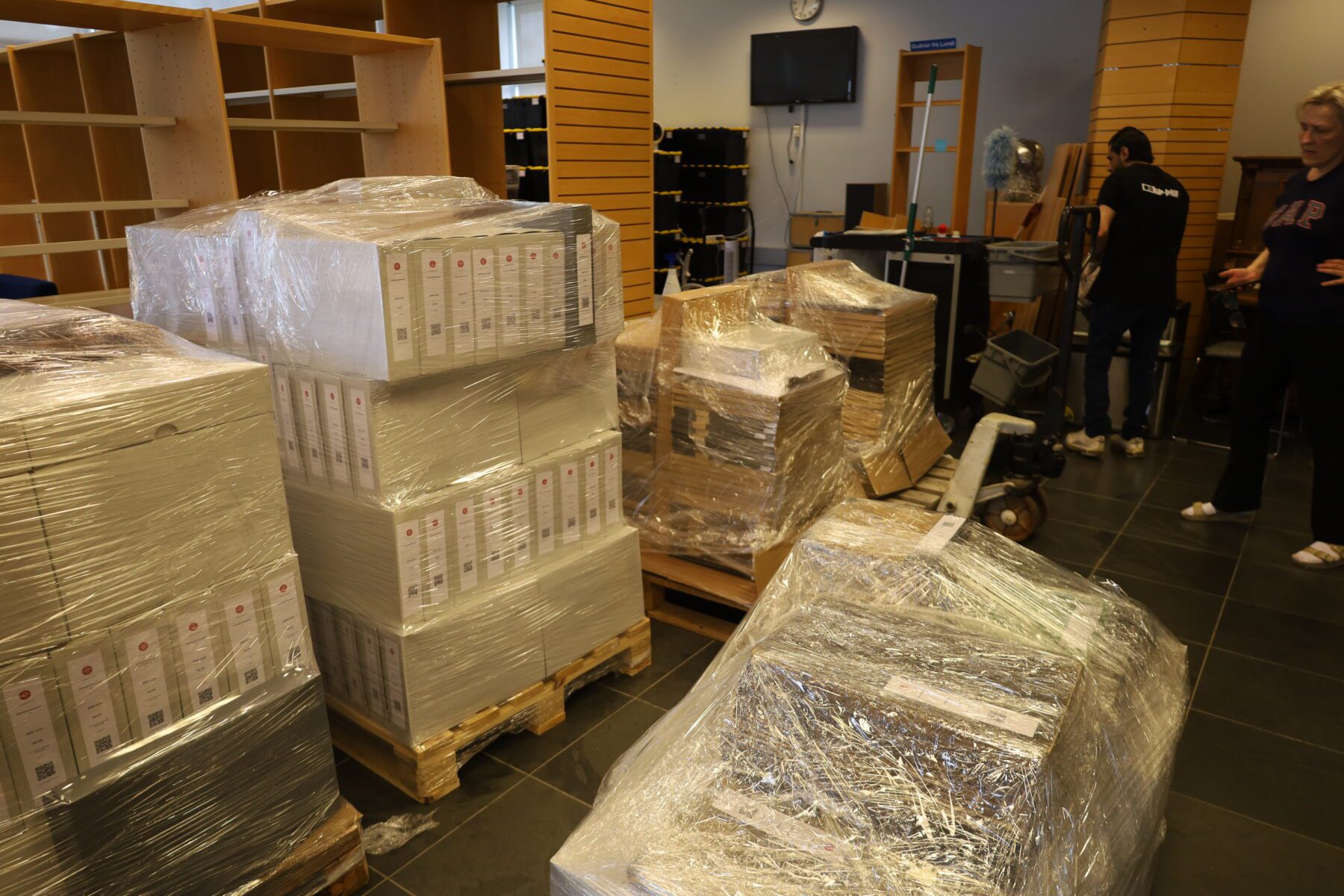
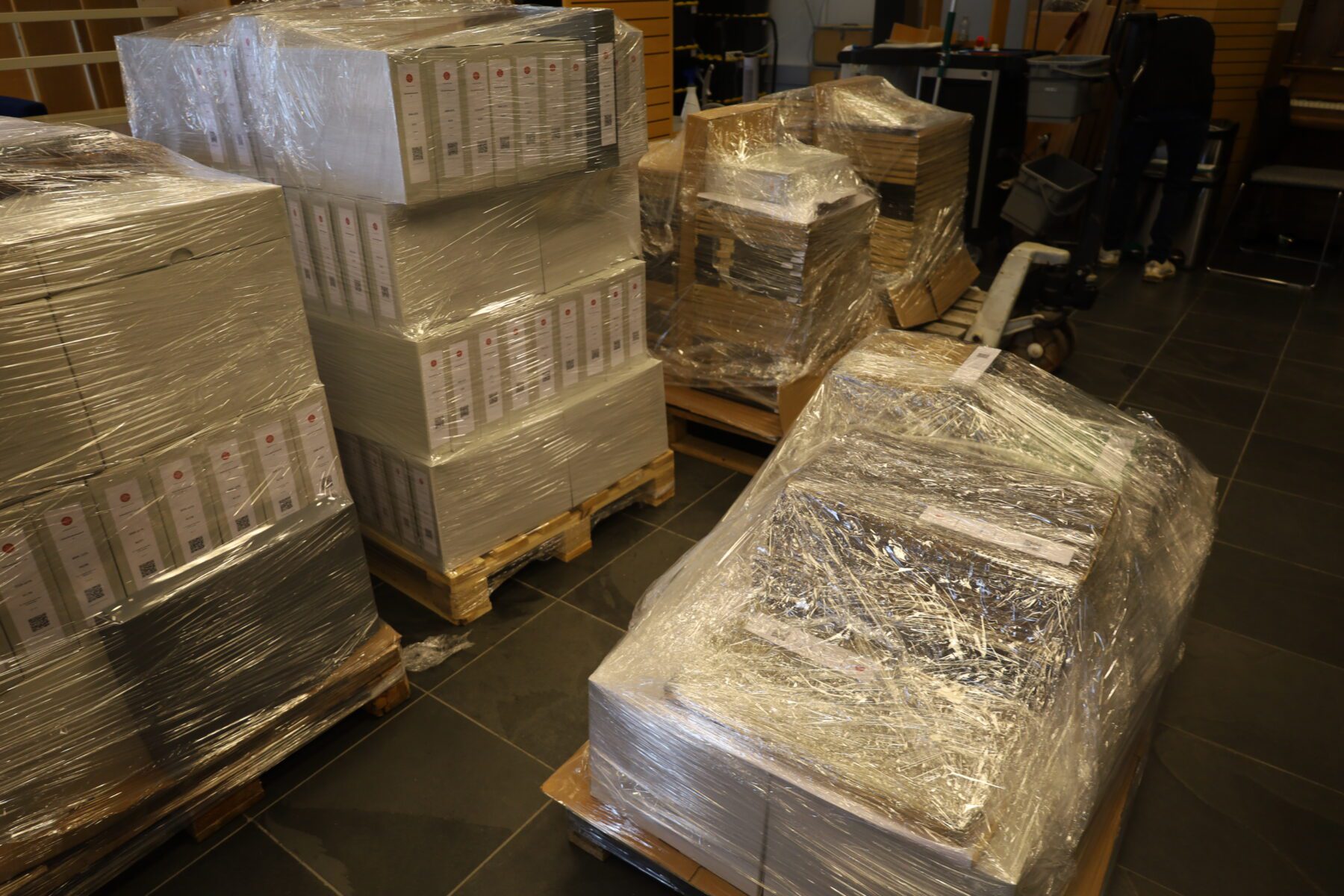
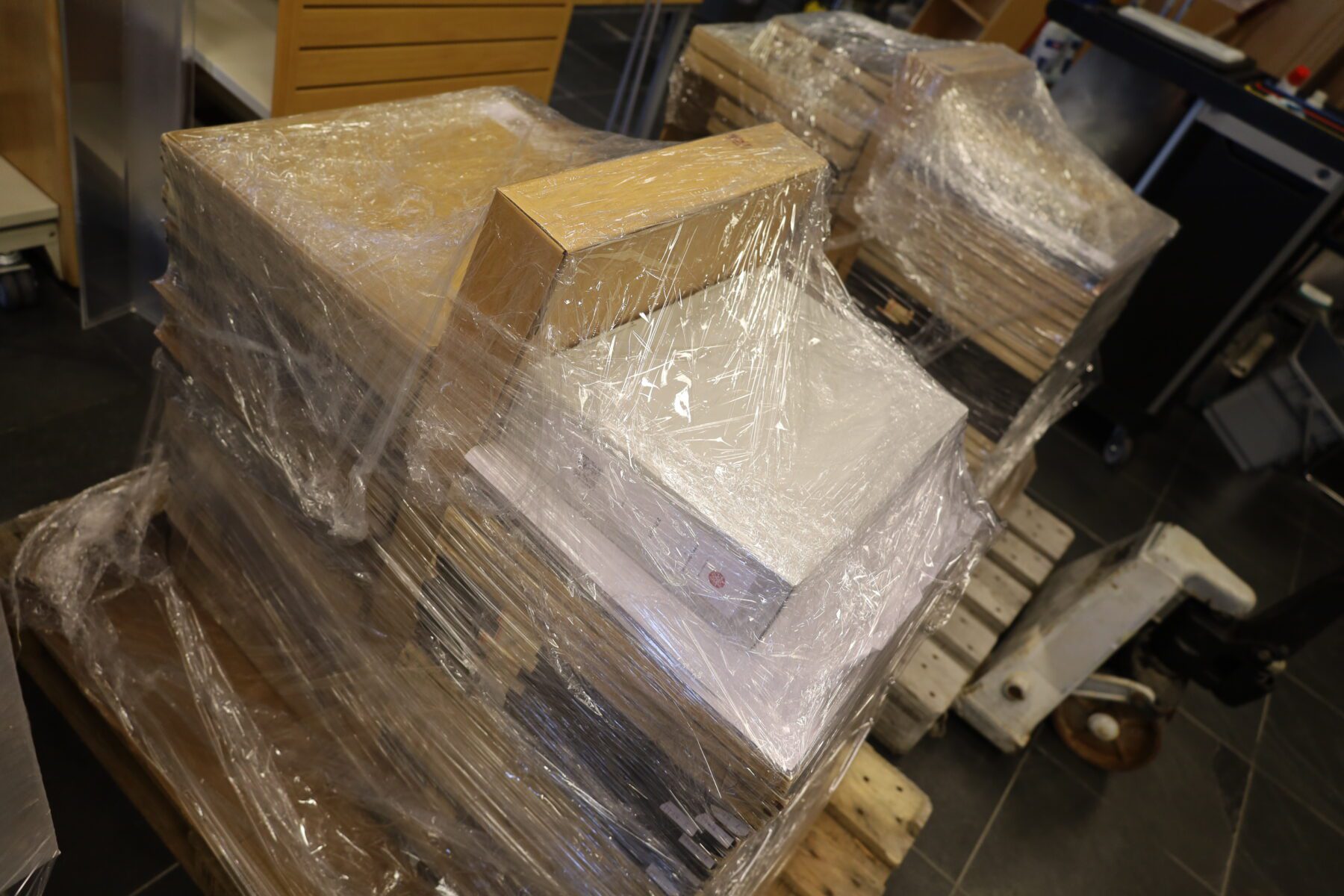
The oldest documents of the City of Hafnarfjörður have now been transferred to the National Archives. The National Library – University Library also received material after the old library was closed. It received journals of sports clubs and interest groups, pamphlets, brochures and posters.
The oldest documents of the City of Hafnarfjörður, documents created before the town was granted borough status, have now been transferred to the National Archives. „The oldest document is from 1855,“ says Kristín Ása Guðmundsdóttir, a historian and archivist with the City of Hafnarfjörður, a position she has held since 2019. The opportunity is now being taken, as the move to the new library takes place and the documents are sent to the National Archives.
„Most of the documents are from the turn of the 20th century onwards. The documents contain the history of the town of Hafnarfjörður,“ says Kristín. Municipalities are required to hand over their records, and all the cataloguing work has been done so that the National Archives will take on the cost. The documents fill 800-900 hundred lines in an Excel spreadsheet.
„And we have filled in six columns with the correct information for each line,“ says Kristín. This included creating a textual description of each and every document. A huge amount of recording work has therefore been carried out.
But do these documents matter? „Yes, very much so. All public institutions are obliged to record all matters and documents and to preserve all this information, in accordance with the Public Archives Act No. 77 of 2014. Nothing may be discarded without special permission, and the law states that public institutions are obliged to preserve the nation's history.“
But more than these documents went to the state, as the National Library – University Library received material not published by the City of Hafnarfjörður; magazines of sports clubs and interest groups, pamphlets, brochures and posters. This included the magazine Hamarinn, from as early as 1930, which was not held by this national library.
But what kind of history can be seen in these documents? „The history of the municipality,“ says Kristín Ása. Census books, who lived where and when. Also minutes of meetings where you can see what decisions have been made.
„A lot of this is about land and property matters, which it's important to keep on record for all sorts of rights. There are many interests in old documents,“ says Kristín Ása.
„There are major interests at stake for individuals and the municipalities themselves, who may need to prove that they have done something – or not.“
Yes, and now these documents will live on for ever and ever!